


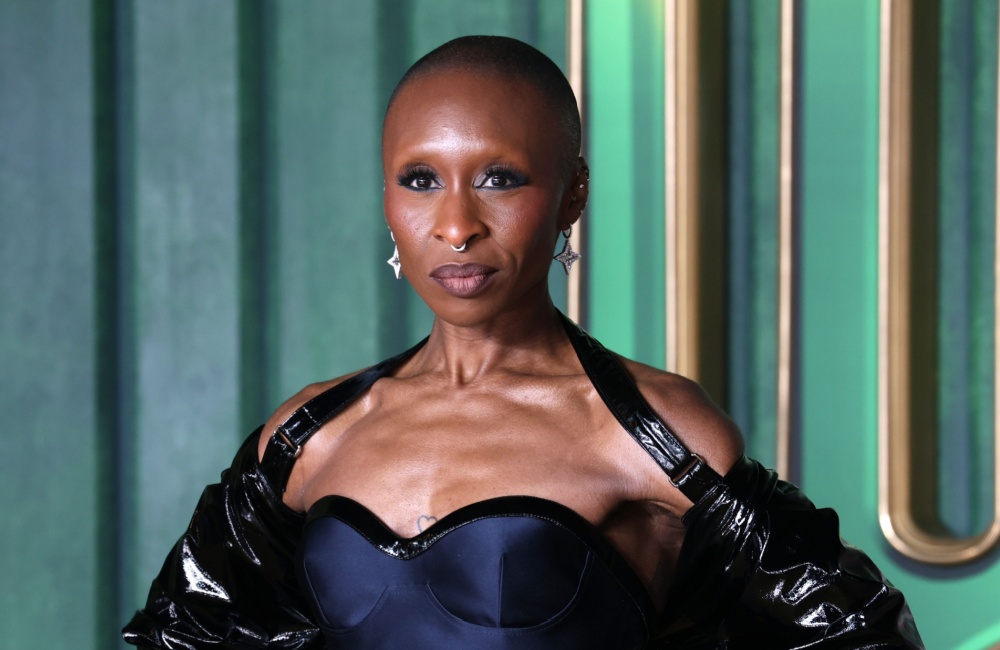
Few friendships in recent entertainment history have been pulled apart and analyzed the way Cynthia Erivo and Ariana Grande’s was during the press tours for Wicked and its sequel Wicked: For Good. Viral clips, fan theories, think pieces and outright speculation flooded the internet at every turn, with audiences trying to determine whether the warmth between the two stars was genuine or performed. Erivo has now spoken directly to that question, and her answer is clear.
In a recent digital cover interview, Erivo confirmed that she and Grande remain close and that the friendship did not end when the cameras stopped rolling. The two still exchange messages most days, she shared, a detail that cuts against the narrative that their connection was purely professional or manufactured for publicity.
Erivo on what people got wrong about their bond
What struck Erivo most about the public’s reaction was not the curiosity but the certainty with which strangers assigned meaning to moments they had not lived. She described watching outside observers construct detailed interpretations of her relationship with Grande based on interview clips and red carpet footage, as though proximity to the footage was the same as understanding the people in it.
Her position is straightforward. The emotion that audiences witnessed across press appearances was real. The closeness was real. The two women spent four years working through an enormous creative undertaking together and leaned on each other to get through it. What looked like performance to some was simply two people trying to hold themselves together under extraordinary pressure.
A red carpet moment that revealed something deeper
One specific incident during the Wicked: For Good press tour in Singapore stayed with Erivo for reasons that go beyond the event itself. When an individual rushed the premiere’s red carpet and moved aggressively toward Grande, Erivo stepped in immediately and physically placed herself between her co-star and the intruder.
The response from parts of the internet reframed that act in ways Erivo found telling. Rather than being recognized as a friend protecting someone she cared about, she was cast in the role of bodyguard, a framing she connects directly to how Black women are perceived and treated in public life. She pointed to specific elements of the commentary, her physical appearance, her build, her shaved head, and argued that those features drove an assumption about her role that would not have been made about someone who looked different.
For Erivo, that moment was not an isolated incident but part of a larger pattern in how she was covered and discussed throughout the entire press cycle as a queer Black woman in a highly visible space.
Erivo looks ahead after a chapter that cost something real
The Wicked era was significant by any measure, but Erivo makes clear that it also took a toll. The combination of a grueling production timeline, relentless media attention and the particular weight of being constantly dissected left both her and Grande stretched thin in ways that were not always visible to audiences.
She is not dwelling there now. Erivo has shifted her focus toward new creative territory, including a stage production of Dracula that she is leading in London’s West End and the personal milestone of completing the London Marathon. Both projects reflect an artist deliberately stepping into something that belongs entirely to her after years of sharing a spotlight.
The friendship with Grande, she suggests, endures not despite everything that happened but in part because of it.
