


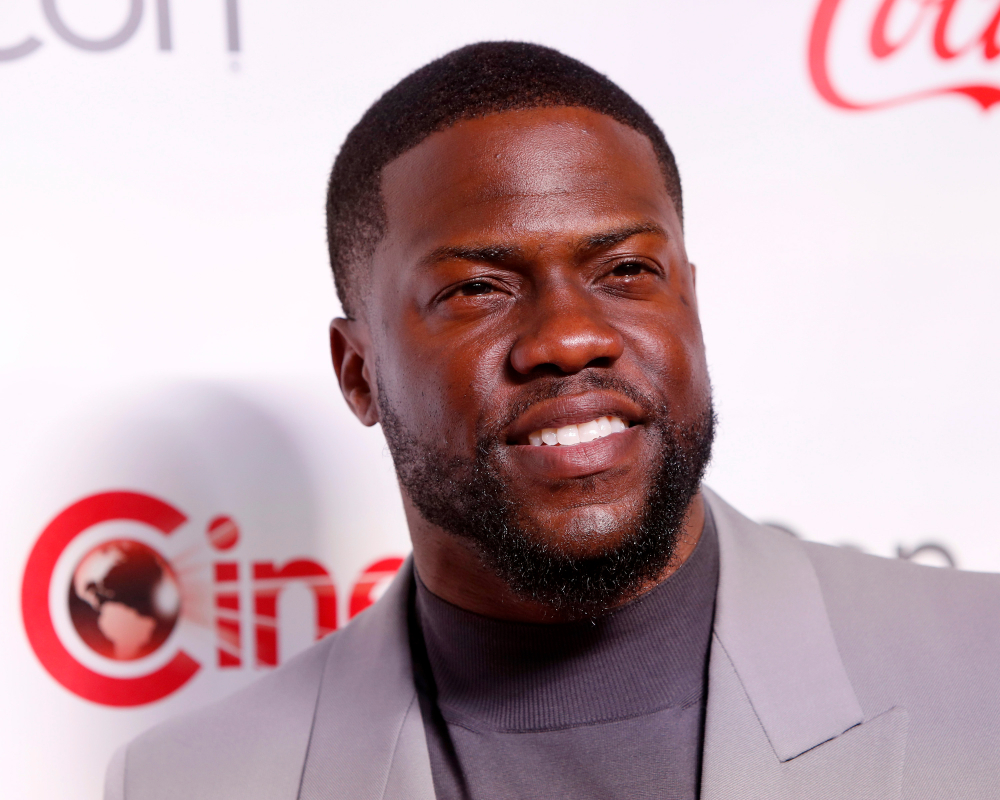
Kevin Hart is no stranger to controversy in comedy. Throughout his decades long career, the comedian, actor and producer has navigated discussions about humor, public reaction and the evolving expectations audiences place on entertainers.
Now, Hart has found himself part of another conversation surrounding the world of roast comedy, this time involving comedian Tony Hinchcliffe and the backlash some of his roast jokes have generated.
The discussion has once again highlighted the unique nature of roast performances, where comedians are often expected to push boundaries, challenge social norms and deliver sharp jokes aimed at celebrities, public figures or fellow performers. While reactions to those jokes can vary widely, the debate has become a familiar part of modern entertainment.
The unique world of roast comedy
Roast comedy has occupied a distinctive place in the entertainment industry for decades. Unlike traditional stand up performances, roasts are designed around a specific format in which participants deliver jokes directed at a central figure or a group of invited guests.
The purpose of a roast is often understood by audiences before the event begins. Comedians typically use exaggerated insults, satire and provocative observations to entertain viewers while poking fun at the people involved.
High-profile productions such as the Comedy Central Roast series have helped popularize the format among mainstream audiences. Over the years, celebrities, athletes and entertainers have volunteered to become roast subjects, understanding that they will be the target of intense comedic scrutiny.
For many performers, the appeal lies in the freedom to experiment with edgier material that may not fit within a traditional stand up routine.
Why Tony Hinchcliffe remains a polarizing figure
Tony Hinchcliffe has built much of his reputation on fearless and often provocative comedy. The writer and performer has appeared at numerous roast events and has become known for delivering jokes that generate strong reactions from audiences.
Supporters view his style as an extension of classic roast traditions, where no topic is entirely off limits and performers are expected to challenge comfort zones.
Critics, however, argue that some jokes can cross a line and risk alienating audiences. Those concerns often surface on social media, where reactions to comedy can spread rapidly and spark wider cultural conversations.
As a result, Hinchcliffe’s performances frequently become part of larger debates about free expression, artistic intent and the responsibilities entertainers have toward their audiences.
Kevin Hart’s perspective on comedy
Hart has spent years discussing the realities of working in comedy during a time when public reactions can develop instantly online.
Although the comedian has occasionally faced criticism of his own, he has generally maintained that context plays an important role when evaluating jokes, particularly within roast settings where audiences understand the nature of the performance beforehand.
His involvement in roast events and stand up comedy has given him firsthand experience with how humor can be interpreted differently depending on the audience, the setting and the cultural climate.
For Hart, discussions surrounding controversial jokes often reflect broader questions about the purpose of comedy itself.
3 factors driving the roast comedy debate
The conversation surrounding roast jokes typically centers on several recurring issues.
Audience expectations often differ depending on whether viewers are longtime comedy fans or casual observers encountering clips online.
Social media can amplify reactions quickly, allowing jokes delivered in one setting to reach audiences who may not have seen the full context. Cultural attitudes toward humor continue to evolve, creating ongoing discussions about what audiences consider acceptable entertainment.
These factors have contributed to a growing divide between those who believe comedy should remain largely unrestricted and those who support greater accountability for performers.
The challenge comedians face today
Modern comedians operate in an environment that differs significantly from previous generations.
A joke delivered during a live event can be shared online within minutes, reaching millions of viewers across multiple platforms. In many cases, clips circulate without the surrounding context that originally shaped audience reactions.
That reality has forced comedians to navigate a more complex landscape where every performance has the potential to become part of a larger public conversation.
For performers such as Hart and Hinchcliffe, balancing creative freedom with audience expectations has become one of the defining challenges of contemporary comedy.
A conversation that continues
The latest discussion involving Hart and Hinchcliffe is unlikely to settle the broader debate about comedy’s boundaries.
Roast events remain popular because they offer a style of humor that many audiences enjoy for its unpredictability and willingness to take risks. At the same time, public scrutiny of controversial material shows no signs of disappearing.
As entertainment continues to evolve, comedians, fans and critics will likely keep revisiting the same questions. Where should comedy draw the line? How much context matters when evaluating a joke? And should roast performances be judged differently from other forms of entertainment?
For now, those questions remain at the center of an ongoing conversation that extends far beyond any single comedian or roast appearance.
