


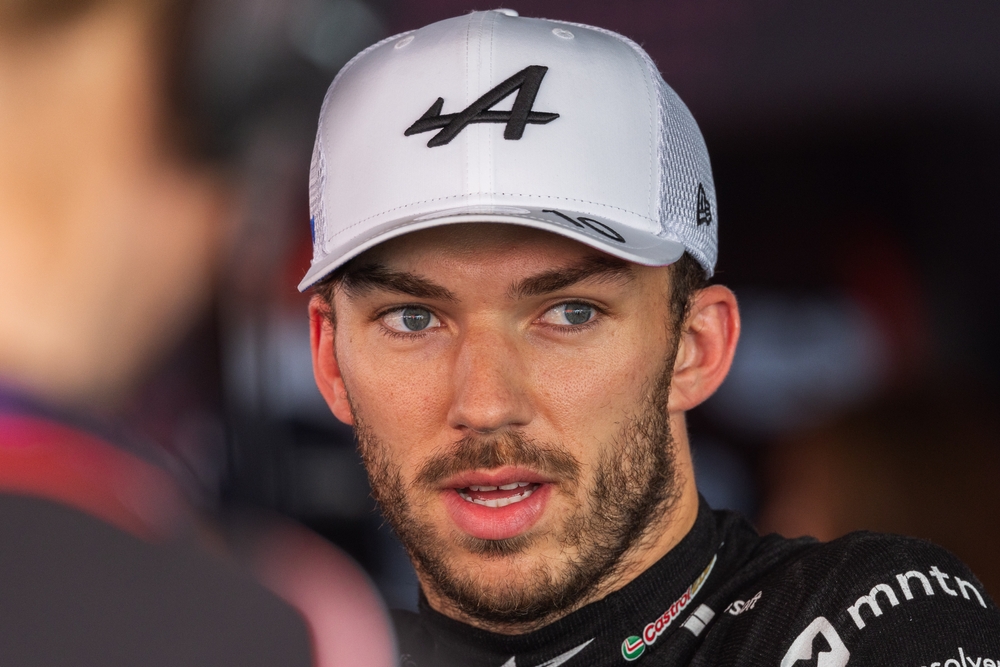
Pierre Gasly’s third-place finish at the Monaco Grand Prix may yet be restored after it emerged that Formula 1 used an inaccurate pit lane distance measurement to calculate the speed penalties that stripped him of his result.
The Alpine driver crossed the line in third at last weekend’s race only to drop to seventh in the official standings after two five-second penalties for pit lane speeding were added to his race time. Gasly was one of five drivers penalized for marginally exceeding the pit lane speed limit, a pattern that immediately raised questions about the reliability of the data being used to enforce the rule.
New evidence opens the door to a full review
Alpine was the only team to formally invoke the FIA’s right to review process following the race. At a hearing on Thursday, held ahead of Sunday’s Barcelona-Catalunya Grand Prix, the team presented new evidence in an attempt to have the penalties reconsidered.
The critical piece of information brought by Alpine was a disclosure from Formula One Management confirming that the distance figure used to calculate official timing in the pit lane was inaccurate and had overestimated the speed of Gasly’s car. That single revelation was enough for the stewards to determine that Alpine had met the threshold for bringing new, significant, and relevant evidence, clearing the path for a full review hearing to begin.
Alpine also presented data showing that Gasly activated his speed limiter before the designated pit lane entry point and never exceeded the limit according to the team’s own records. A witness statement from the driver himself was submitted alongside that data.
The team additionally alleged that both the FIA and Formula One Management were aware of a problem with the timing loops in the pit lane before the race began. That claim was firmly rejected by representatives of both organizations during the proceedings.
The human weight behind the dispute
Beyond the technical and procedural dimensions, the Monaco result carried a particular emotional weight for Gasly. Speaking in the paddock on Thursday, the French driver described the experience of losing that result as the most difficult day he has endured in his Formula 1 career from a sporting perspective.
Gasly grew up watching Monaco as one of the most iconic events in the calendar, and for a French driver, the race carries cultural significance that extends beyond points and standings. He had never stood on the Monaco podium before last weekend, and the belief that he had finally achieved it, only to have it taken away through a process now under scrutiny, proved deeply painful to process.
He drew a careful distinction between sporting disappointment and genuine tragedy, making clear that his reference point for hardship remains the loss of his close friend and fellow French driver Anthoine Hubert, who died in a Formula 2 accident at Spa in 2019. Within the boundaries of competition, however, Monaco last weekend represented something he had never previously experienced.
What the review could mean for the result
The hearing underway in Spain will determine whether the stewards ultimately reverse, reduce, or uphold the penalties. If the original decisions are overturned, Gasly would be reinstated to third place in the Monaco classification and earn the podium finish he celebrated on the road before the penalties were applied.
The broader implications for the sport are also significant. Five drivers were caught by the same measurement system on the same day, and the revelation that the underlying data may have been flawed raises questions about enforcement consistency at one of the calendar’s most prestigious events.
