


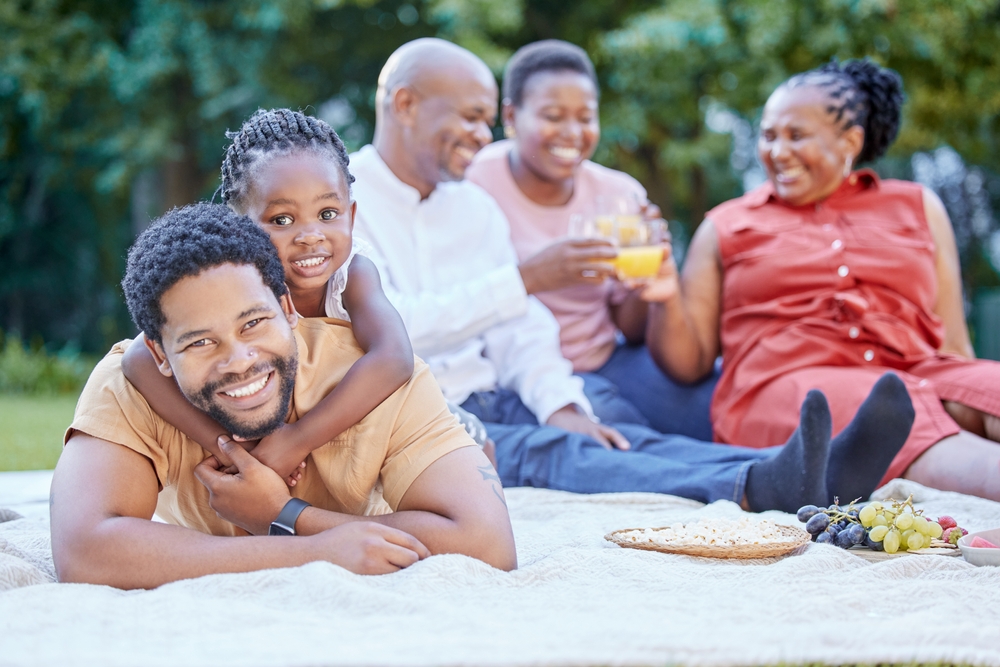
Father’s Day can stir up more than celebration for many people. While some mark the day with joy, honoring the fathers who shaped their lives, others carry grief, longing or unresolved pain tied to the holiday. For some in the Black community, that grief is compounded by the reality that Black men in the U.S. tend to have shorter life expectancies than other groups, making the time spent with fathers feel painfully brief. Others mourn an idealized version of fatherhood they never experienced, the kind once portrayed in television sitcoms.
This year also arrives after a string of high profile tragedies that have rattled both families and broader communities, according to a recent essay published by psychologist Riana Elyse Anderson. Anderson, who writes the outlet’s Therapy IRL column, said the timing has made the holiday more emotionally complex for many people hoping to simply celebrate the fathers in their lives.
For her Father’s Day column, Anderson said she turned to three experts who study Black fatherhood and family dynamics to offer guidance for processing those layered emotions.
Helping boys see fatherhood clearly
Carlton Champian, who writes the Substack newsletter Notes to My Father, focuses on the unique pressures facing Black boys today, Anderson reported. Because boys now constantly compare their own family situations to others through social media and traditional outlets, Champian said it is important to ground them in accurate information rather than idealized comparisons, according to the essay.
Anderson noted that while Black fathers statistically are less likely to live in the same household as their children, research shows they often rank among the most responsive and emotionally engaged parents. Champian’s approach centers on shifting the focus from what is absent in a child’s relationship with his father to what is actually present, encouraging families to talk openly about how to make the most of the time fathers and sons do share. The goal, Anderson wrote, is to raise boys who are emotionally aware and communicative, setting the foundation for healthier relationships in adulthood.
Creating real safety and love at home
Researcher Deaweh Benson, who studies family relationships and youth exposure to violence, encouraged readers to rethink what safety and love truly require inside the home, Anderson wrote. Benson referenced the work of the late author bell hooks, who explored how children are not automatically born into loving households. Love, Benson argued, depends on whether the adults raising them actually know how to provide it.
Benson’s challenge, according to the column, is for parents and partners to examine whether their homes reflect authentic care or unintentionally pass down patterns of harm. That requires honest self examination, Anderson wrote, but the payoff is a household where wellness is modeled for partners, fathers and children alike.
Defining what healing actually looks like
Psychologist Alvin Thomas, who hosts the Pulse podcast and writes The Fatherhood Depot Substack, told Anderson that healing starts with accepting that parent child relationships evolve and that adult children need room to define their own bond with a parent. Thomas described fatherhood as a form of time travel, Anderson wrote, since a his choices today shape generations he may never meet. Unhealed pain, Thomas warned, becomes an inheritance passed down to children and grandchildren if left unaddressed.
Benson added that there is no single formula for healing, particularly within Black communities that have long been underserved by research into the effects of systemic oppression. Still, both experts pointed to consistent themes, Anderson reported: care, honesty, trust and a willingness to acknowledge that healing is needed in the first place. From there, families can choose their own path, whether through therapy, mediation or reconciliation.
A holiday that holds both joy and grief
Anderson closed her column by acknowledging that this Father’s Day will carry a mix of celebration and sorrow for many readers. For those experiencing more complicated emotions, she offered reassurance that healing is possible and that community support remains available. The shared responsibility, she wrote, lies in extending grace to ourselves and each other while doing the harder work of accountability.
