


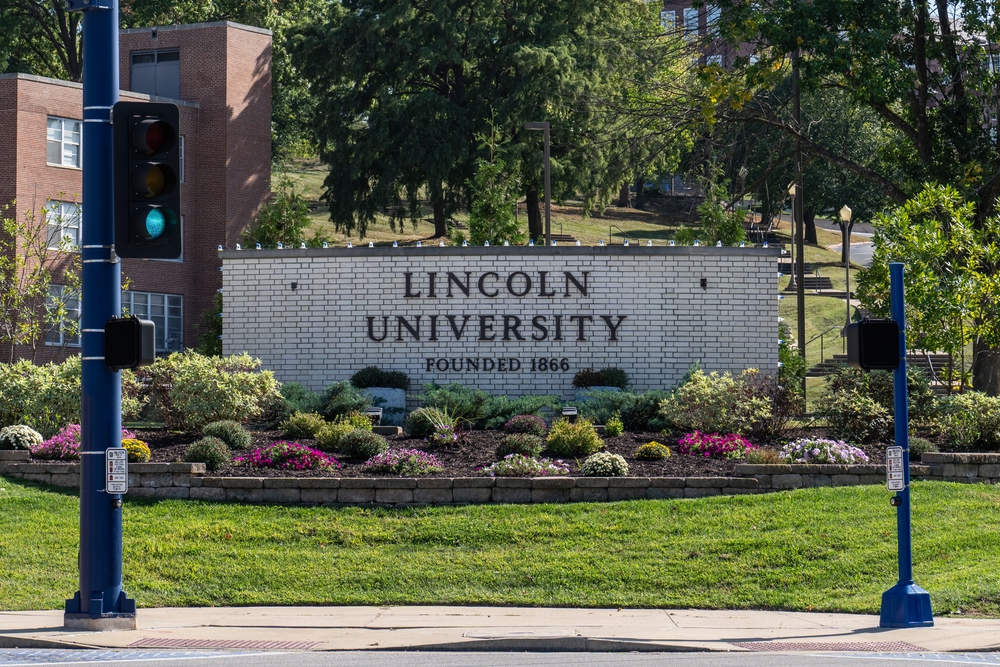
A humble seed once tied to the high Andes is quietly taking root in the heart of Missouri, and Lincoln University is making sure the surrounding community knows why it matters. On Tuesday, July 14, the school opened the gates of its George Washington Carver Research Farm for an annual Quinoa Field Day, blending science, tractors, and taste tests into a single afternoon. As demand for the protein-packed crop climbs on grocery shelves, researchers used the event to show Mid-Missouri residents how a tiny grain could reshape both dinner plates and local farms.
The gathering mixed lab-grade research with down-home hospitality. Attendees toured experimental plots, watched equipment demonstrations, and sampled dishes built around quinoa leaves and grains, walking away with a fuller picture of a plant many had only spotted in a health-food aisle.
Why Lincoln is betting on quinoa
Lead researcher Safiullah Pathan, an associate professor of crop science, walked visitors through the plant’s many uses. The grain is gluten-free and high in protein, and it cooks up much like rice, making it an easy swap for families chasing better nutrition. The leaves carry their own punch, rich in amino acids and protein that often go overlooked.
To prove the point, Pathan’s wife, Salma, turned the harvest into a meal. She served a rice-and-quinoa dish and whipped up a creamy dip from quinoa leaves, cream cheese, sour cream, mayonnaise, and seasonings that guests scooped up with tortilla chips. For skeptics who normally dodge leafy greens, the flavor was a pleasant surprise.
Quinoa’s headline benefits stack up fast, and researchers highlighted a few standouts
- Gluten-free grains packed with protein
- Leaves rich in amino acids
- Simple preparation similar to rice
- Versatility across savory dishes and dips
From dinner plates to livestock feed
Lincoln’s research reaches well beyond the kitchen. Mohan Acharya, a small ruminant extension specialist at Lincoln, is teaming with Pathan on a fresh study exploring quinoa as animal feed. Casual trials last year hinted that livestock enjoy the grain, and the team now wants hard data to back the hunch.
To finish the work, Lincoln is joining forces with a fellow HBCU, Langston University in Oklahoma. Lincoln will grow the crop and ship it west, where Langston researchers will feed it to livestock and track the results. Once the numbers come in, Acharya plans to hand practical guidance to farmers across the state, opening a possible new revenue stream for growers.
Testing a supergrain against drought
Out in the fields, Lincoln researchers Grato Ndunguru and Addissu Ayele guided a trolley of guests to the plots, where the science got real. One experiment measures how water shapes growth, with some rows drip-fed on a controlled schedule and others left to rely on rain alone.
New this season is a high tunnel plot designed to push the plant to its limits. After an initial 45 days of watering, the taps shut off for everything except a control group, letting scientists watch how the crop handles thirst. Some plants wilted into floppy warnings, yet many stood tall despite the dry spell, a resilience that could prove priceless as weather grows less predictable.
A mission rooted in Lincoln history
The field day fit neatly into the identity of a school born from grit and purpose. Founded in 1866 by veterans who pooled their own pay to build a place of learning, Lincoln has long tied education to service. Its farm carries the name of George Washington Carver, the pioneering scientist whose work with soil and crops still echoes through every research row.
For Lincoln, the quinoa project is more than a curiosity. It links a storied past to a practical future, feeding families, supporting farmers, and stretching the reach of a small campus into kitchens and pastures far beyond Jefferson City. As the tiny seeds keep climbing toward the sun, Lincoln is proving that big change can sprout from the smallest of grains.
