


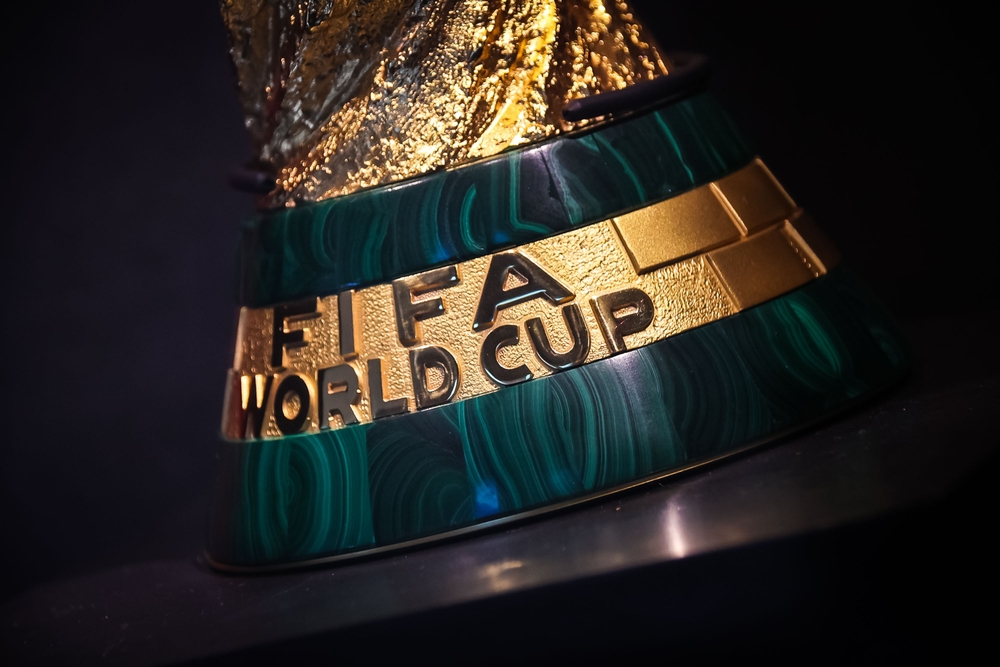
The FIFA World Cup final has always been football at its purest, two teams, one trophy, no gimmicks. This year’s edition, set for Sunday at MetLife Stadium in New Jersey, is testing that reputation directly.
Spain and Argentina will meet for the championship in a match now framed by additions that have little to do with the sport itself. A halftime performance built around Coldplay frontman Chris Martin and manager Phil Harvey, with FIFA President Gianni Infantino promising a show fitting the world’s biggest sporting event, will stretch the traditional break well beyond the 15 minutes typically allowed under international rules. Reports suggest the performance and its surrounding presentation could push halftime toward 25 minutes or more, making this the longest pause in World Cup final history.
Hydration breaks reshape the rhythm of the tournament
The halftime show arrives on top of another first, mandatory hydration breaks introduced throughout the 2026 tournament. Every match has included two three minute pauses, one in each half, regardless of stadium conditions or climate. FIFA has defended the policy as a player safety measure drawn from lessons learned during last year’s Club World Cup, but the rollout has drawn steady criticism from coaches and players who argue the breaks fracture the natural flow of the game.
Several national team coaches have voiced frustration that matches now feel divided into something closer to four quarters than two traditional halves, a shift they say alters the sport’s basic rhythm regardless of the intent behind it. Others have taken a more practical view, using the pauses as unofficial timeouts to relay tactical instructions mid half, a workaround that was never part of football’s traditional structure but has quickly become part of its 2026 reality.
Commercial motivations have fueled much of the skepticism. FIFA confirmed broadcasters were cleared to run advertisements during the breaks, a detail that has led many fans, including some who have booed the pauses inside stadiums, to view player safety as only part of the explanation.
A halftime show without World Cup precedent
Soccer’s biggest events have flirted with concert style halftime programming before, including during recent Club World Cup and Copa America matches, but those experiments were smaller in scale and largely drew criticism for departing from the sport’s identity. Sunday’s final marks the first time FIFA has built an official, marquee length halftime show into the World Cup itself, complete with major musical talent and a production timeline that required bending the tournament’s own rules on match length.
Rings borrowed from American sports
FIFA has also confirmed that, for the first time in the tournament’s 96 year history, the winning team will receive championship rings in addition to the World Cup trophy and gold medals. The organization has commissioned 2,026 individually numbered rings, 30 of which will go to the winning squad, with the rest sold to fans as officially licensed collectibles. The winning captain and head coach will receive temporary rings immediately after the match, with custom versions delivered later, a presentation style borrowed directly from leagues like the NFL and NBA.
What it signals for football’s future
Taken together, the hydration breaks, the extended halftime concert and the introduction of championship rings reflect a broader push to reshape the World Cup final into something closer to an American style television event. Supporters see the changes as smart modernization for a global audience. Critics see a tournament drifting away from the game that made it worth watching in the first place. Either way, when Spain and Argentina take the field Sunday, the match itself may end up sharing the spotlight with everything built around it.
