


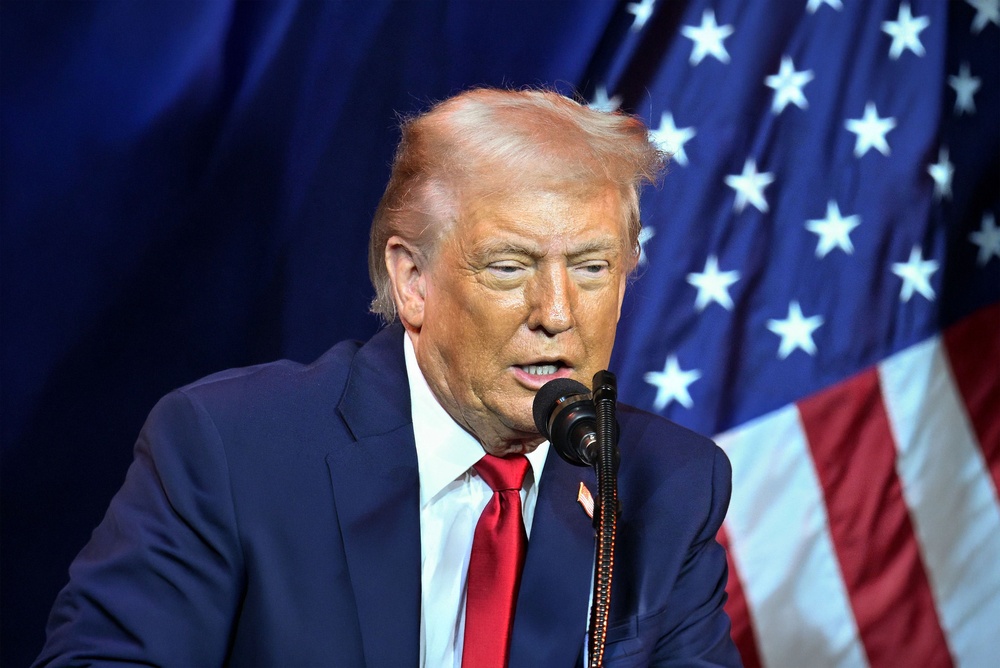
President Donald Trump has once again placed mail in voting at the center of the national political conversation after describing the voting method as inherently vulnerable during a televised address on July 16.
The remarks, delivered just days before the president was scheduled to host Chinese leaders for a diplomatic summit, revived a familiar debate that has shaped U.S. elections in recent years. Trump’s comments quickly drew reactions from supporters, election experts and political opponents, many of whom pointed to his own history of casting ballots by mail.
The renewed discussion comes as election officials across the country continue preparing for upcoming contests while balancing concerns about voter participation, election security and public confidence in the voting process.
Trump renewed his criticism of mail in voting
During his address, Trump argued that mail in voting presents risks to election integrity and suggested the system is susceptible to fraud.
The president has repeatedly expressed skepticism about widespread mail voting throughout his political career, particularly following the 2020 presidential election. His latest comments reinforce a position he has maintained for years and continue to resonate with many supporters who favor tighter election procedures.
Election administration has remained a major topic throughout Trump‘s presidency, with voting laws and ballot access continuing to generate debate at both the federal and state levels.
His comments renewed attention to his own voting record
Trump’s remarks also prompted renewed scrutiny because he has previously voted using absentee or mail ballots.
Critics argue that his personal use of mail voting appears inconsistent with his public criticism of the practice. Supporters, however, often distinguish between absentee voting requested by individual voters and broader mail ballot programs that automatically send ballots to eligible voters.
That distinction has become a recurring point of disagreement in national conversations about election policy.
Mail in voting has a long history in the United States
Although it became more widely discussed during the COVID-19 pandemic, voting by mail has been part of American elections for decades.
Many states have long offered absentee ballots to military personnel, overseas citizens, older voters and individuals unable to vote in person. Several states also conduct elections primarily through mailed ballots.
Election officials have continued to refine verification procedures that may include signature matching, voter identification requirements and ballot tracking systems designed to protect the voting process while providing greater accessibility for eligible voters.
Public opinion remains deeply divided
Trump’s latest remarks received mixed reactions across the political landscape.
Supporters largely view his position as an effort to strengthen election security and reinforce confidence in the voting process. Others argue that repeated criticism of mail voting without evidence of widespread fraud could reduce public trust in elections and discourage eligible voters from participating.
The issue remains one of the country’s most politically divisive election topics, with lawmakers in many states continuing to debate policies involving absentee ballots, voter identification and election administration.
The debate is expected to continue into future elections
As election campaigns intensify, voting procedures are likely to remain a central political issue.
State legislatures continue reviewing election laws, while candidates from both major parties are expected to address topics such as voter access, ballot security and public confidence during upcoming campaigns.
Election experts generally encourage voters to become familiar with the voting rules in their own states, including registration deadlines, absentee ballot requirements and in person voting options.
Trump‘s renewed criticism ensures that mail in voting will remain a prominent issue as political leaders and election officials prepare for future contests.
The discussion reflects broader questions about balancing election security with voter accessibility, two priorities that continue to shape the national conversation. Regardless of political affiliation, election officials consistently encourage eligible Americans to understand their available voting options and participate in the democratic process according to the laws in their respective states.
