


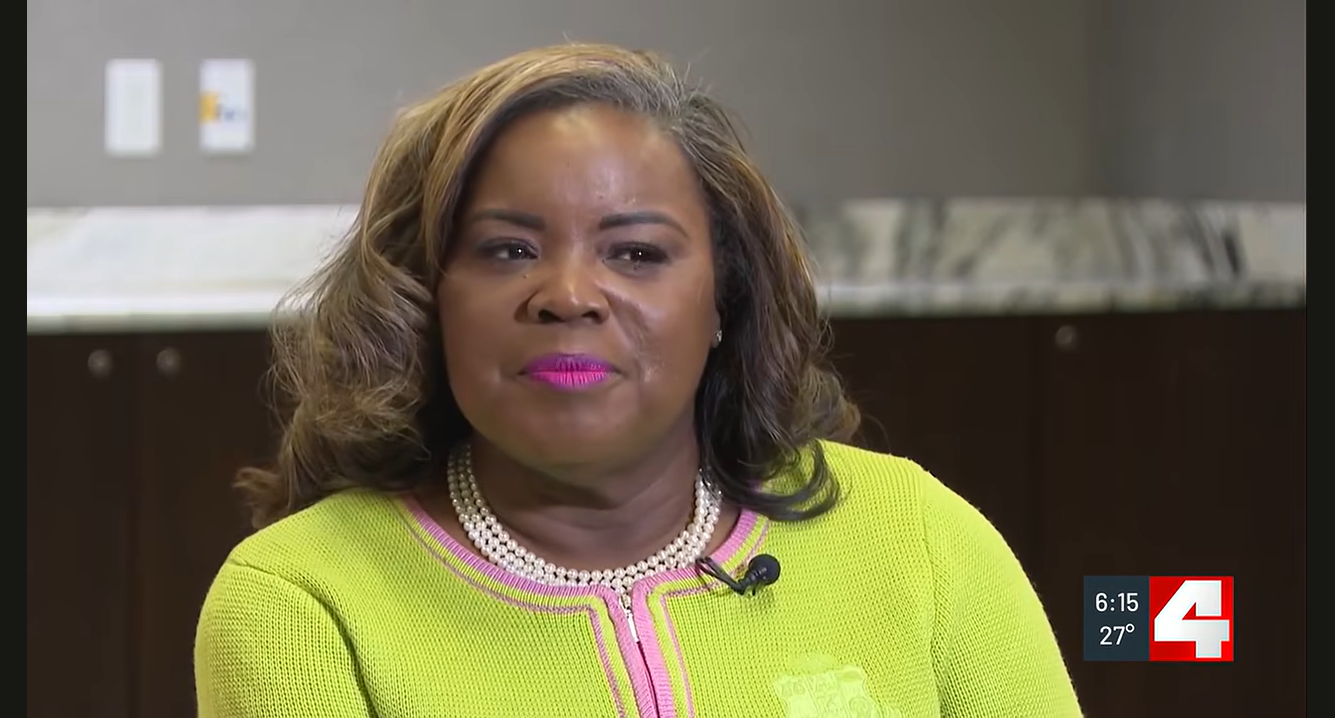
Alpha Kappa Alpha Sorority, Incorporated added six new honorary members to its ranks during its 72nd Boule in Las Vegas, recognizing women whose careers span science, entertainment, technology and business.
The historically Black sorority, founded in 1908 at Howard University, extends honorary membership to women whose professional accomplishments and public service align with its mission. This year’s class reflects that range, drawing from fields as varied as immunology and Silicon Valley leadership.
Meet the 6 honorees
- Kizzmekia Corbett-Helaire, a vaccine scientist and immunologist, helped lead the rapid development of one of the first COVID-19 vaccines during the height of the pandemic.
- LaTanya Richardson Jackson, an actress, director and producer, has earned three Tony Award nominations over the course of her stage career.
- Salli Richardson Whitfield, an Emmy nominated director, became the first Black woman nominated for outstanding directing in a drama series.
- Pauletta Pearson Washington has built a career as a Broadway and film actress known for memorable performances across stage and screen.
- Merline Saintil moved from a career in software engineering to become a Fortune 100 board director, establishing herself as a prominent Silicon Valley executive and investor.
- Robin Washington serves as president and chief operating and financial officer of Salesforce, a role that has made her one of the tech industry’s most visible executives.
A ceremony rooted in service
Alpha Kappa Alpha’s International President and CEO, Danette Anthony Reed, led the induction ceremony, framing the six women as leaders whose professional success is matched by a record of service to their communities.
The sorority also marked the occasion on Instagram, describing the honorees as scientists, innovators, artists and executives whose work has reshaped industries and opened doors for others. The organization’s post emphasized that the recognition was meant to highlight lasting influence rather than fleeting attention, positioning the women’s careers as examples of enduring achievement and respect within their respective fields.
Continuing a long tradition
Honorary membership has long been one of the ways Alpha Kappa Alpha connects its mission of scholarship and leadership to women working outside traditional sorority structures. As the first Black sorority established in the United States, the organization has used the distinction over the decades to celebrate figures whose careers reflect its founding values.
This year’s inductees join that tradition at a moment when representation across science, entertainment and corporate leadership remains a significant talking point. Corbett Helaire’s contributions to vaccine development came during a global health crisis that reshaped public understanding of immunology almost overnight. Richardson Whitfield’s directing milestone, meanwhile, marked a notable first in an industry still working to expand opportunities behind the camera for Black women.
On the corporate side, Saintil’s and Washington’s paths from technical roles into executive leadership illustrate a broader shift taking place across Silicon Valley and Fortune 100 boardrooms, where the presence of Black women in top financial and operational positions remains relatively rare.
Looking ahead
For Alpha Kappa Alpha, the induction ceremony served as both a celebration and a reaffirmation of purpose. The sorority has positioned its honorary membership program as a way to formally connect accomplished women to a broader network built around mentorship and community engagement, rather than as a one time recognition.
The six new members now join a lineage of honorary inductees whose careers have intersected with the sorority’s century old commitment to scholarship, leadership and service. Their induction offers a current snapshot of where Black women are making an impact, from laboratories and film sets to boardrooms and executive suites.
As Alpha Kappa Alpha continues to expand its honorary ranks, the sorority has signaled that future inductions will likely follow a similar pattern, recognizing women whose professional milestones carry implications well beyond their individual industries.
