


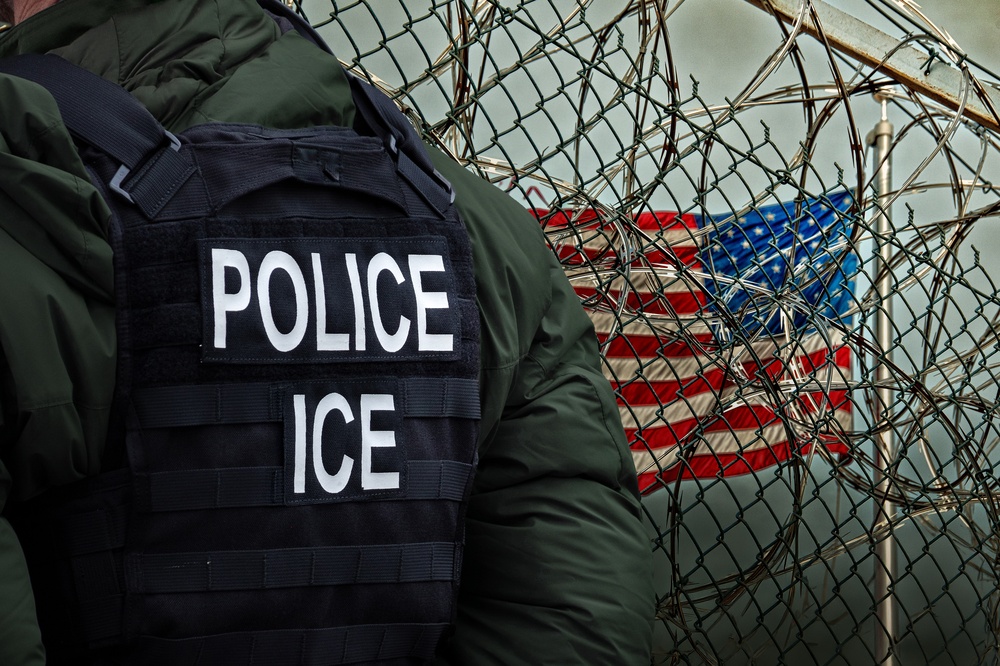
Immigration and Customs Enforcement says every officer and agent in the field will be wearing a body camera by the end of August, but whether that translates into real protection for the public depends almost entirely on a separate and more contested question, who decides when footage gets released. ICE leadership retains broad authority to withhold or delay footage after serious injuries or deaths in custody, meaning the cameras guarantee documentation of an encounter but not public access to it. That gap sits at the center of an active debate over whether this rollout will meaningfully change accountability or mostly serve as a response to recent criticism.
How many people have died in ICE vehicle stops, and who were they?
According to NBC News, immigration agents have fatally shot five people during encounters at their vehicles since March 2025, when a 23 year old was killed in the incident that started the pattern. The reporting names the five as Johan Sebastian Duran Guerrero, Ruben Martinez, Renee Good, Silverio Villegas Gonzalez and Lorenzo Salgado Araujo. Duran Guerrero was fatally shot by an ICE officer in Maine on July 13, and video circulated afterward showing agents pulling him from his car, footage that NBC reported left community members including Rachel Reyes disturbed and questioning how the encounter was handled. None of the five encounters were captured on an agency issued body camera, according to the reporting on the Maine and Houston cases specifically.
Why do critics doubt the cameras will change much?
Skeptics point to the same provision ICE has defended, the ability to release footage only when agency leadership determines doing so serves the agency’s own interests. To critics, that standard puts the release decision in the hands of the very institution the footage would be used to hold accountable. Outside researchers who study police transparency note that selective release is common across law enforcement broadly, but that few agencies state that discretion as plainly in written policy as ICE has here. Advocates argue that a camera recording an incident means little to a grieving family if the agency can simply choose not to show anyone what it captured, a concern that carries more weight now that reporting has attached names and faces to the pattern.
What does ICE and its defenders say in response?
Acting Director David Venturella has pushed back on the idea that the policy is designed to shield the agency from accountability, saying the restrictions exist to protect ongoing investigations and personal privacy rather than to suppress unfavorable footage. He has argued the standard mirrors policies at other federal law enforcement agencies and that expedited release remains available when appropriate. Supporters of the rollout say cameras in the field at all represent meaningful progress, since the fatal shootings in Maine and Houston last month were not recorded on camera, leaving investigators and the public with no visual record of what happened in either case.
What would need to happen for the cameras to make a real difference?
For the rollout to translate into protection rather than just more unseen footage, transparency advocates argue ICE would need clearer release timelines and independent oversight of withholding decisions rather than leaving that judgment to agency leadership alone. Congressional pressure and continued scrutiny following the string of vehicle related deaths could push the agency toward tighter standards, though nothing currently in place requires that. Customs and Border Protection has faced a similar test, withholding footage from the fatal shooting of Alex Pretti in Minneapolis in January while telling lawmakers it remains part of an active investigation, a reminder that the tension over footage access extends beyond ICE alone.
For now, both sides are working from the same set of facts and reaching different conclusions. Supporters see a genuine step toward accountability that needs time to prove itself. Critics, and increasingly the families of those killed, see a policy that documents encounters without necessarily making them visible, and they argue that distinction is the entire point.
