


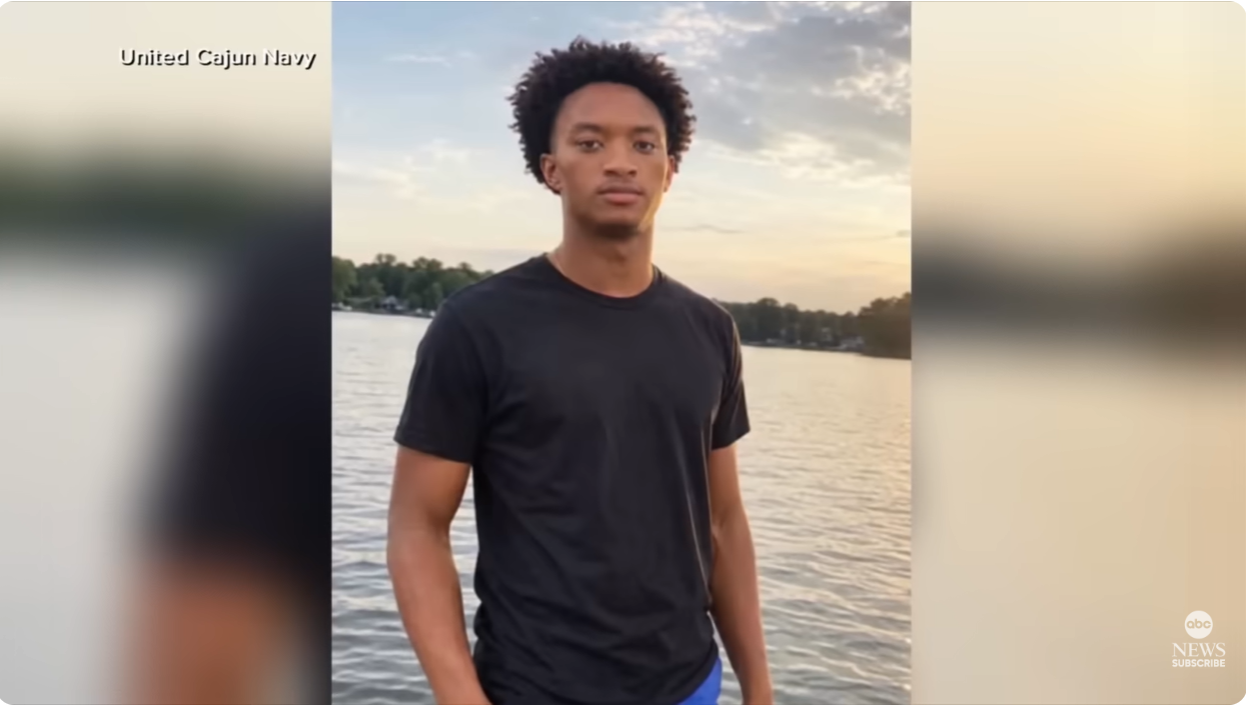
What happened in the Nolan Wells case? A Jackson County, Mississippi, grand jury decided not to charge anyone in the death of the 18-year-old college football player. It found that the condition and location of his body were consistent with drowning. Wells disappeared after a July 4 boat trip with friends to Horn Island off the Gulf Coast, and his body was recovered nearby two days later. The grand jury’s report was released late Sept. 21.
Is the case over? Not quite. The state medical examiner and the family’s private pathologist both list the cause and manner of death as undetermined. Mississippi has no statute of limitations on homicide, and the grand jury said the matter should return to jurors if credible new evidence comes to light. The story now lives in the space between a legal answer and a medical one.
What did the Nolan Wells grand jury find?
The 23-member panel heard from 43 witnesses and reviewed evidence gathered through 132 subpoenas. Jurors found no credible evidence that anyone on the boats committed a crime. They also found no sign that Wells was in a fight or an argument that day. Ben Crump Law’s summary of the findings says jurors found no credible evidence that racial animus played a role.
The report found no cocaine in his system and said he had bought alcohol with a fake ID. It noted bruising on the back of his head that was not fatal and whose cause remains unclear. One witness testified to seeing Wells slip awkwardly off the side of a boat, then keep socializing as if he were not hurt.
Why does the Nolan Wells autopsy still say undetermined?
The family released the state medical examiner’s report Sept. 24. It describes two contusions on the back of his scalp as evidence of injury and leaves both the cause and manner of death undetermined. The grand jury said drowning was a conclusion reached by ruling out other causes. It also said decomposition made toxicology testing unreliable.
That is the crack in this case. A finding that something is consistent with drowning is not the same as proof that drowning killed him.
What is the fight over Nolan Wells’ phone?
At an Orlando news conference, Crump’s team and the forensic firm Garrett Discovery said GPS data showed Wells’ phone moving on the mainland after his friends said he chose to stay on the island. The firm said some of that activity happened after Wells died and before his parents got the phone back. It also said data had been deleted.
District Attorney Angel Myers McIlrath disputed that account, saying the deleted messages were removed by other Snapchat users, not by someone holding the phone. The grand jury added that phones and belongings often travel back on other boats.
Who is paying the price in the Nolan Wells case now?
The young men who were with Wells say they are. In a preview of a Fox News Saturday in America interview, three of them said they have received thousands of death threats, including bomb threats. One said his relatives, including his stepmother, a chancery court judge, now receive threatening voicemails. The grand jury report called the public attacks on the group malicious and false.
The legal pressure has not ended either. On the day of Wells’ funeral, the family’s attorneys sent letters to his friends and their families warning that litigation was reasonably anticipated.
Why do so many Black families doubt the Nolan Wells ruling?
Nolan Wells was a Black college freshman on a football scholarship. The Rev. Al Sharpton, Rep. Lucy McBath and the Congressional Black Caucus have all called for a Justice Department review. Hours after the report came out, Crump wrote on Facebook that the decision not to indict does not explain how Wells died.
For many Black families, that doubt is not paranoia. It comes from generations of deaths labeled accidents that never got a full accounting. At a news conference, Wells’ parents vowed to keep pushing for the truth.
Two things can be true at once. Threatening young men who have been cleared by a grand jury is wrong. A mother asking how her son died is not. Until someone can write a cause on that autopsy report, the most important question in this case remains unanswered.
