


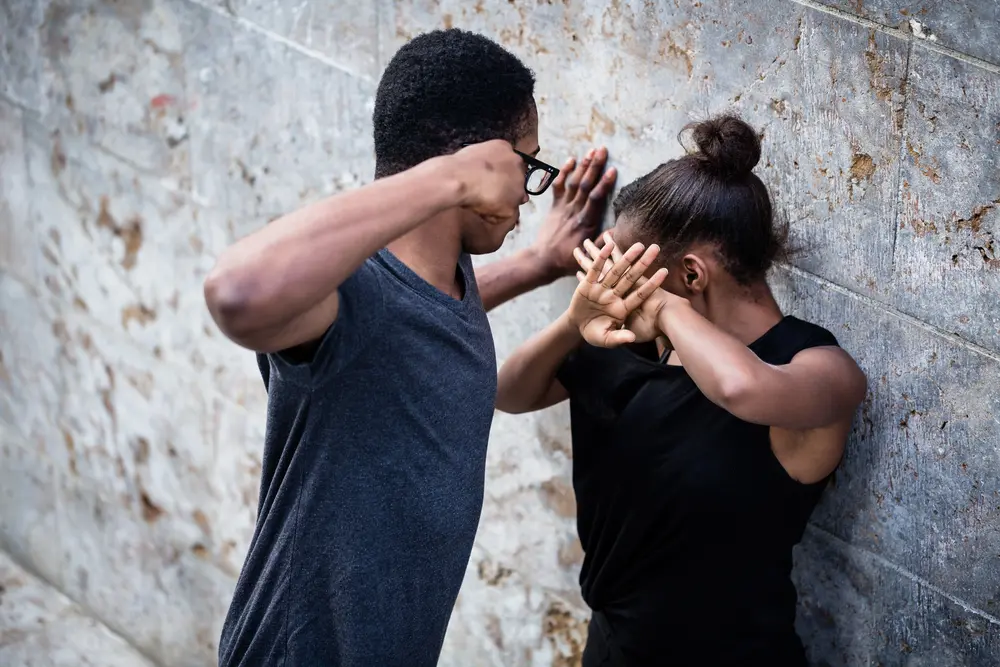
Leaving an abusive marriage is not the end of the story. For many survivors, it is the beginning of a longer and less charted journey, one that involves rebuilding not just a home or a routine but an entire sense of self. For one woman who escaped an abusive relationship, finalized her divorce in 2019 and later processed the unexpected grief of her former husband’s death in 2023, that journey unfolded gradually through therapy, a supportive network and six discoveries that helped her feel reconnected to who she was becoming.
Healing through the act of writing it down
During some of the most difficult moments inside the marriage, she kept a journal, documenting in real time what was being said and done around her. What began as a survival mechanism became something far more valuable. Those records proved essential during legal proceedings and, just as importantly, served as an anchor to reality during moments when the temptation to minimize or reframe the abuse felt overwhelming. The documentation made her experience undeniable, even to herself.
Research supports the particular value of handwriting over typing when it comes to emotional clarity and memory retention. Keeping a physical journal, she found, created a tangible record of progress that honored both the difficulty of what she had survived and the slow accumulation of distance from it.
Healing through reclaiming the smallest comforts
In the early months after the divorce, many of her belongings remained in boxes and she slept on an air mattress. The inertia was not laziness. It was a kind of protective stillness that survivors often need before they are ready to fully inhabit a new space. The moment that broke through it came unexpectedly, prompted by a practical decision during the early pandemic months to install a bidet. The small act of setting up her bathroom, of doing something functional and even funny for herself in her own home, cracked something open. Boxes were unpacked. Art went on walls. The apartment started to feel like hers.
Healing through scent and sensory grounding
Aromatherapy had always been a part of her life, but after the marriage ended it became something more deliberate. Lavender for relaxation, rose for skin care and sandalwood for creating a sense of abundance and calm in her living space became regular rituals. Drawing on her Native American heritage, she turned to cedar as a way of clearing negative energy and reconnecting to a sense of strength and grounding. On difficult days, reaching for a familiar scent became a reliable way to interrupt anxiety before it escalated.
Healing through what touches you while you sleep
Grief, regardless of its source, sometimes arrives as days spent in bed. She gave herself permission for that, within reason, as part of the process. During one of those afternoons, she discovered silk pillowcases, initially drawn in by their benefits for hair but staying for the gentleness they offered already tender skin. The indulgence, modest in cost but meaningful in feeling, became a small act of care she gave herself each night.
Healing through rediscovering what had been taken
Early in the marriage, her former husband had mocked her for wearing makeup, a form of control that she would later recognize as a classic tool of emotional abuse. When she was finally ready to explore her own reflection again, she subscribed to a monthly beauty box as an affordable and playful way to experiment without pressure. The small envelope that arrived each month carried something beyond product samples. It was a concrete, recurring reminder that her preferences mattered and that she was allowed to take up space in her own appearance.
Healing through the body itself
Somatic bodywork, which she describes as addressing emotional experience through physical movement and awareness, became one of the most consistent tools in her recovery. Whether through dance, walking, breath-focused yoga, cold therapy or simple self-massage, she developed a practice of checking in with her body and responding to what she found there. A tension knot she is currently working through in her shoulder is, she believes, a physical remnant of grief. Movement, massage and meditation are her tools for releasing it.
What she has found, across all six of these discoveries, is that healing does not arrive as a single transformation. It accumulates in small acts of attention, comfort and reclamation, each one a quiet signal that the person on the other side of the pain is still very much there.
