


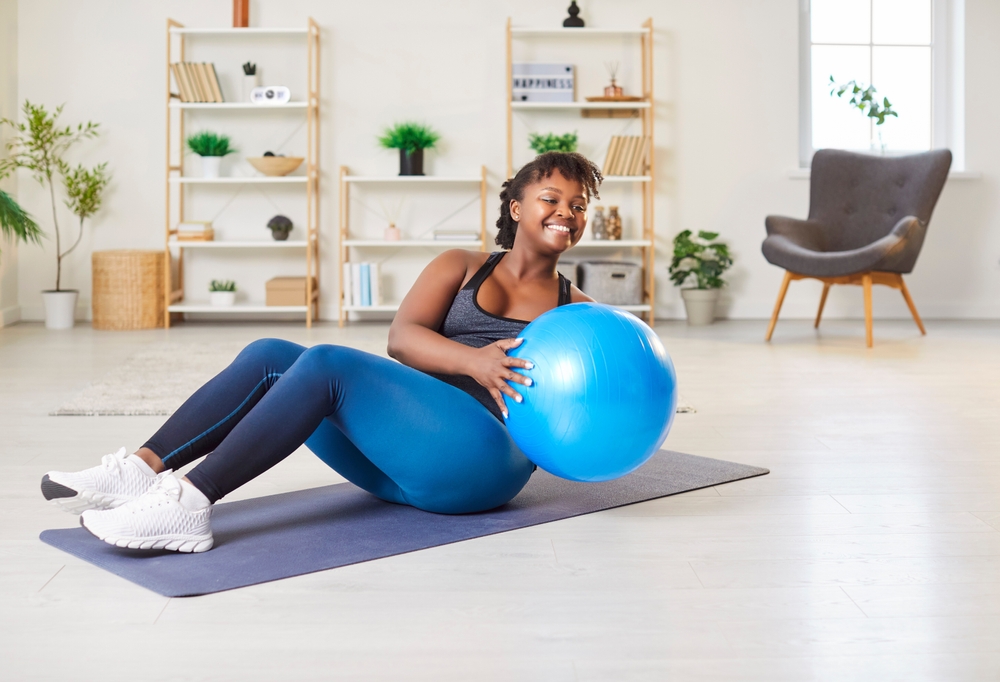
Most fitness advice treats all women’s bodies the same, which is why generic weight loss programs fail Black women consistently. Black women experience unique metabolic patterns, higher rates of insulin resistance and specific body composition distributions that require different exercise approaches than what mainstream fitness culture prescribes. Understanding what actually works for your body means abandoning cookie-cutter programs designed for bodies that aren’t yours.
The fitness industry’s silence on these biological differences isn’t accidental. It reflects a broader dismissal of Black women’s health needs and a refusal to acknowledge that one-size-fits-all approaches literally don’t work. Your body responds to exercise differently based on genetics, hormonal patterns and metabolic factors that standard fitness programs completely ignore.
Walking builds sustainable fitness without joint damage
Walking is underrated because it seems too simple to be effective, but it’s genuinely one of the most sustainable approaches for Black women’s weight loss. Walking doesn’t stress joints the way high-impact exercises do, meaning you can maintain consistency without injuries that derail fitness efforts. Consistency matters infinitely more than intensity when it comes to sustainable weight loss.
Aim for 45 to 60 minutes of steady walking daily at a pace where conversation is possible but requires effort. This duration and intensity builds cardiovascular fitness while burning substantial calories without triggering the inflammation that high-impact exercise sometimes causes. Walking outdoors provides additional benefits through natural light exposure and mental health improvement, both crucial for sustainable long-term effort.
Strength training prevents metabolic slowdown during weight loss
Strength training is non-negotiable for Black women losing weight because it prevents the metabolic slowdown that makes weight loss progressively harder as you get lighter. Without muscle preservation, your body burns fewer calories at rest, eventually reaching a plateau where further weight loss becomes nearly impossible.
Focus on full-body strength work twice weekly, targeting all major muscle groups. Compound movements like squats, deadlifts, chest presses and rows build muscle efficiently without requiring excessive gym time. Building muscle increases your resting metabolic rate, meaning your body burns more calories automatically throughout the day regardless of exercise.
Swimming provides low-impact resistance without joint stress
Swimming offers complete resistance training while supporting your full body weight, eliminating joint stress that makes other exercise feel impossible. The water provides consistent resistance through every movement, building strength while burning substantial calories. Swimming also provides natural cooling, which matters when overheating discourages workout consistency.
Aim for three 30-minute swimming sessions weekly combining steady-state swimming with interval efforts. Water aerobics classes offer structured guidance if you’re uncertain about self-directed swimming workouts. The social element of group classes also improves adherence and makes fitness feel less like punishment.
Dancing makes cardio enjoyable instead of torturous
Dancing burns significant calories while feeling genuinely enjoyable rather than like punishment you’re forcing yourself to endure. Black dance traditions from hip-hop to dance cardio classes to traditional stepping all provide legitimate cardiovascular work disguised as something fun. When you enjoy the activity, consistency comes naturally.
Dance cardio classes, hip-hop fitness and zumba all offer structured formats that burn 500 to 700 calories per hour while building community. Many Black-centered fitness spaces specifically design classes acknowledging Black women’s bodies and music preferences. Working out in spaces that celebrate rather than erase your identity fundamentally changes your relationship with fitness.
Cycling builds leg strength without impact damage
Cycling builds lower body strength while burning substantial calories without the impact stress that running causes. Both stationary cycling and outdoor cycling work equally well. The resistance adjustable on most bikes means you control intensity and can progressively increase challenges as fitness improves.
Aim for three 45-minute cycling sessions weekly at varying intensities. One session can be steady-state effort, one can include hills, and one can include interval efforts. Cycling builds powerful legs, burns serious calories and is low-impact enough for long-term sustainability.
