


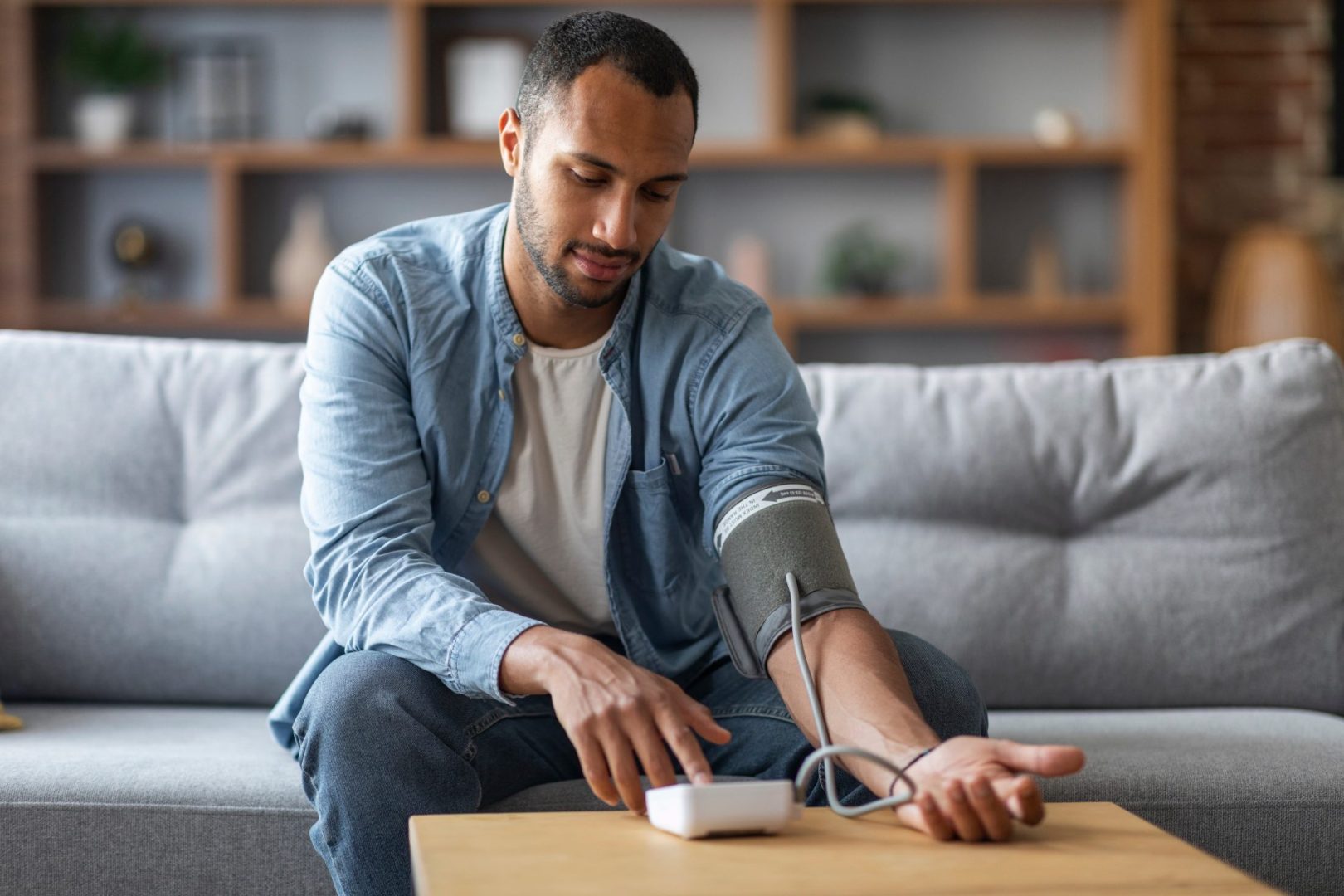
A single blood pressure reading taken during a routine doctor’s visit may not reflect much about what is actually happening in a person’s daily life. Clinic environments can elevate readings on their own, a well-documented phenomenon that cardiologists take into account when evaluating patients. What happens the other 23 hours of the day, at home, at work, and under the quiet pressures of ordinary life, often tells a more accurate story.
That is why cardiologists increasingly recommend that patients with hypertension or borderline readings keep a home monitor and check their numbers regularly. The data gathered over days and weeks gives both the patient and their doctor a far more complete picture and can directly influence decisions about medication type, dosage, and timing.
Understanding what the numbers mean
Every blood pressure reading produces two numbers. The top number, called systolic pressure, measures the force in the arteries when the heart beats. The bottom number, diastolic pressure, reflects the pressure between beats when the heart is at rest.
A normal reading falls below 120 systolic and below 80 diastolic. Readings between 120 and 129 systolic with a diastolic below 80 are considered elevated. Stage 1 hypertension begins at 130 to 139 systolic or 80 to 89 diastolic, and Stage 2 starts at 140 systolic or 90 diastolic and above. A hypertensive crisis, defined as a systolic reading of 180 or higher combined with a diastolic of 120 or higher, requires immediate emergency care.
Choosing the right monitor
Not all home blood pressure monitors are equally reliable. Upper arm cuff monitors remain the clinical standard because all major treatment guidelines are based on readings taken at the upper arm. Wrist monitors, while more compact and easier to put on, have shown meaningful inconsistencies in accuracy. In research comparing the two, wrist readings matched upper arm readings only about 43 percent of the time and frequently produced figures that ran higher than actual values.
For most people, a quality upper arm cuff monitor from an established manufacturer is the most dependable starting point. Those who prefer a digital tracking option may find that Bluetooth-enabled monitors with companion apps offer a convenient way to log and review readings over time.
Cuff size also matters more than people tend to realize. Using a cuff that is too small for the arm can produce falsely elevated readings. Standard cuffs typically fit upper arm circumferences between 22 and 34 centimeters, while larger cuffs are designed for arms measuring 34 to 44 centimeters. Measuring the arm at the midpoint between the elbow and shoulder before purchasing a monitor is a simple step that can prevent weeks of inaccurate data.
Taking a reading correctly
Preparation affects accuracy as much as the equipment itself. Waiting at least 30 minutes after caffeine consumption or physical activity before measuring gives the cardiovascular system time to return to a resting state. Sitting quietly with both feet flat on the floor for five minutes before taking the cuff off its hook is equally important.
Taking a second reading immediately after the first is also worth the extra minute. The initial reading often runs slightly high before the body has fully settled. Averaging the two produces a more reliable result.
Making your home monitor verify itself
One step that is easy to overlook is confirming that a home monitor agrees with clinical equipment. Bringing the home cuff to a doctor’s appointment and asking a nurse to take readings with both devices side by side is the simplest way to check calibration. If the two readings are reasonably close, the home data can be trusted. If there is a significant gap, the monitor may need to be replaced or adjusted before the numbers mean anything useful.
The power of tracking over time
A single reading captures one moment. A log of readings captured twice a day over two weeks tells a story. Three elevated readings out of fourteen, when the rest fall within a normal range, point toward specific triggers rather than a chronic problem. Poor sleep, a salty meal, or an unusually stressful day can all push numbers upward temporarily without reflecting a person’s true baseline. That kind of context is only visible in the data collected at home and is precisely what helps doctors make better, more individualized treatment decisions.
