


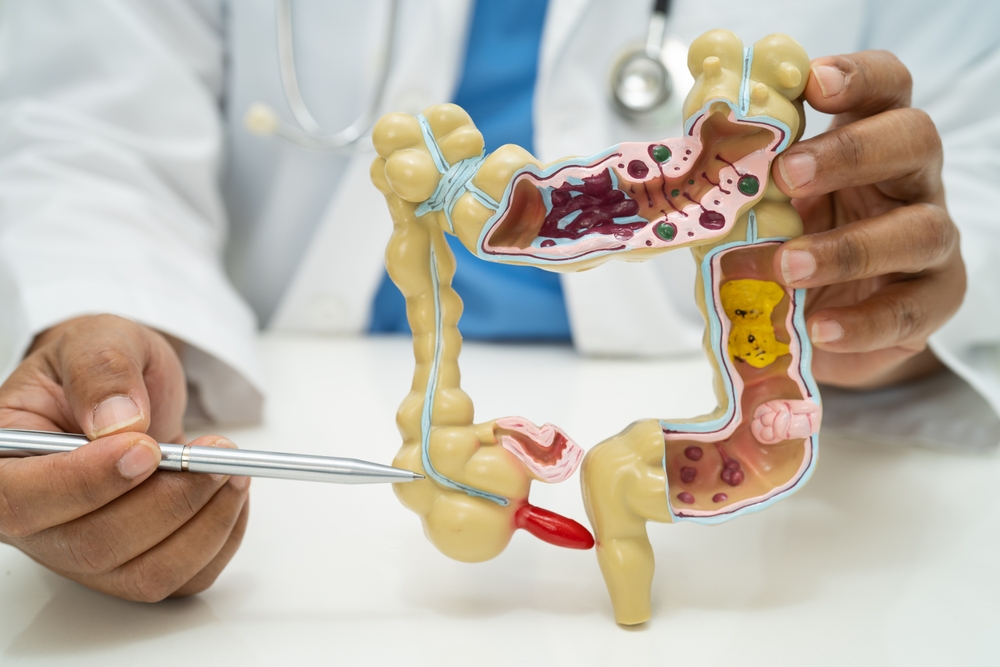
For most of medical history, the appendix has had a reputation problem. Sitting quietly at the junction of the small and large intestine, the small finger-shaped pouch has been regarded as one of evolution’s more embarrassing oversights. Even Charles Darwin weighed in, suggesting it was a shrunken remnant of a larger digestive structure that our plant-eating ancestors once relied upon to break down fibrous material.
For a long time, that explanation was considered adequate. The appendix can be surgically removed without any obvious consequence to the patient, and appendicitis remains one of the most common reasons people end up in an operating room. If it caused problems and its removal caused none, the case for dismissing it seemed straightforward enough.
Recent research suggests that conclusion was premature.
Why the appendix has been so difficult to study
Part of the reason scientists took so long to reach a consensus is that the appendix does not behave like most organs. Across mammalian species, it appears in some animals and not others, even among closely related groups. When it does appear, it does not always look the same. This structural variability made it nearly impossible to identify a single evolutionary purpose, because the organ itself refuses to follow a consistent pattern.
There was also a significant bias in how research was conducted. Because appendicitis is a serious and common human condition, the overwhelming focus of appendix research has been on humans. Meanwhile, appendicitis has never been observed in other species, which removed much of the scientific incentive to study the organ across the broader mammalian family tree. The result was a fragmented body of knowledge that reflected our clinical preoccupations more than the organ’s actual biology.
What scientists now believe the appendix does
A clearer picture has been emerging in recent years, and it is more interesting than anyone expected. Current research points to the appendix functioning as a protected reservoir for the beneficial bacteria that populate the gut, what scientists refer to as the microbiome.
The microbiome is a vast and dynamic community of microorganisms that plays a central role in digestion, immune regulation and aspects of mental health. It is also vulnerable. In environments where severe gastrointestinal illness was common, infections could effectively flush out large portions of the gut’s bacterial population, leaving the digestive system depleted and exposed.
The appendix, positioned just off the main flow of the intestinal tract, appears well suited to withstand that kind of disruption. Its narrow, enclosed structure makes it less likely to be cleared during gastrointestinal illness, allowing beneficial microbes to persist there while the rest of the gut recovers. Once the illness passes, those stored bacteria can help repopulate the intestine and restore balance more quickly. It functions, in essence, as a biological backup system.
This interpretation is supported by what is known about the appendix’s immune properties. It contains a high concentration of lymphoid tissue, suggesting it also plays a role in managing the relationship between the microbiome and the immune system, monitoring and regulating rather than simply storing.
Why we can live without it
The obvious counterpoint to all of this is that removing the appendix appears to cause no lasting harm. If it has a purpose, why does its absence go unnoticed?
The answer appears to lie in the body’s remarkable capacity for compensation. Biological systems rarely depend on a single structure, and many other components of the gut-associated immune system are capable of absorbing some of the appendix’s functions. The microbiome can also recover through ordinary environmental exposure to bacteria.
Modern living has also reduced the circumstances under which the appendix would be most valuable. Access to clean water, stable food supplies and medical care means that the kind of severe, repeated gastrointestinal infections that once ravaged gut bacteria are far less common in many parts of the world. Under those conditions, a microbial refuge is simply less necessary than it once was.
An organ that defies easy categories
What emerges from all of this is a picture of an organ that is neither vestigial nor essential but something more nuanced than either label allows. The appendix most likely originated as part of a larger digestive structure used by herbivorous ancestors. As human diets shifted and digestion evolved, that original function faded. But rather than disappearing entirely, the structure appears to have been repurposed over evolutionary time, taking on a quieter but still meaningful role.
It is, in many ways, a small but compelling illustration of how evolution actually works. It does not always discard what is no longer strictly necessary. Sometimes it keeps what remains useful under the right conditions, quietly earning its place in the body long after anyone thought to look for it.
