


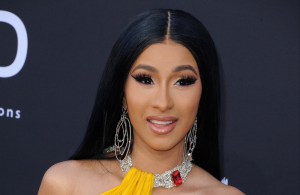
Cardi B made inflammatory remarks about U.S. Immigration and Customs Enforcement during a performance at her “Little Miss Drama Tour” stop in Palm Desert, California, statements that subsequently drew a response from the Department of Homeland Security. The incident highlights ongoing tensions between celebrity activists and federal agencies regarding immigration enforcement policies and public statements about potential confrontations with law enforcement.
During the concert, Cardi B encouraged audience members to physically resist ICE agents if they attempted intervention at her venue. Her remarks included references to possessing pepper spray and declarations about preventing fan apprehension by immigration officials. The statements represented an escalation of her previous public commentary regarding immigration enforcement and federal agency activities.
DHS responds with reference to Cardi B’s documented past
A Department of Homeland Security spokesperson issued a statement responding to Cardi B’s concert remarks, incorporating reference to her previously documented personal history. The spokesperson’s response referenced a 2019 incident involving resurfaced video documentation from Cardi B’s earlier career as an exotic dancer, during which she had discussed past actions involving drugging and robbing individuals.
The DHS response drew immediate criticism for its tone and substance, with observers questioning whether government agencies should reference an individual’s personal history when responding to public statements about potential confrontations with federal officers.
Cardi B addresses past allegations and personal history
Following intensified social media scrutiny regarding the 2019 resurfaced video, Cardi B issued a statement acknowledging her past actions while contextualizing them within her circumstances at that time. She characterized her earlier behavior as survival decisions made during financial hardship, emphasizing that she had never presented herself as having come from privileged circumstances or maintained perfect judgment throughout her life.
Cardi B’s statement indicated that individuals involved in those past incidents were aware of and consenting to the situations. She stressed that her personal history remained separate from her music career and current public advocacy work.
The broader context of celebrity activism
Cardi B’s concert remarks reflect her documented pattern of publicly addressing issues affecting marginalized communities, particularly those related to immigration enforcement and federal policy. Her willingness to directly confront ICE and encourage fan resistance resonates with audiences who experience anxiety regarding immigration-related enforcement activities.
However, the combination of her current advocacy statements and her acknowledged past actions creates complexity regarding narrative consistency and personal accountability. The incident illustrates tensions between celebrity activism, personal history, and credibility assessments by both supporters and critics.
Mixed public response and accountability questions
Public reaction to Cardi B’s concert statements has divided along predictable lines. Supporters emphasize her willingness to use her platform advocating for vulnerable populations potentially affected by immigration enforcement. Critics reference her documented past as reason to question her credibility and suggest that her current activism requires greater personal accountability.
The incident has reignited broader societal conversations regarding celebrity culpability, personal redemption, and whether past actions should permanently disqualify individuals from contemporary activism work. These discussions extend beyond Cardi B specifically to encompass how communities evaluate credibility and moral authority among public figures engaging in social justice advocacy.
Immigration enforcement and celebrity discourse
Cardi B’s concert statements contribute to ongoing cultural debates about immigration enforcement authority, civil resistance, and the appropriate boundaries of celebrity commentary regarding federal agencies. Her remarks occupy contentious territory where First Amendment protections intersect with potential incitement considerations and federal agency concerns about public safety at large gatherings.
Law enforcement agencies have increasingly navigated situations where artists utilize concert platforms to make political statements or encourage audience resistance to authority. These incidents raise questions about appropriate responses from government entities and whether officials should engage with celebrity commentary through official channels.
DHS response implications
The decision by the Department of Homeland Security to respond publicly to Cardi B’s remarks—and specifically to reference her personal history—represents an unusual move for a federal agency. The statement suggests heightened attention to celebrity commentary about immigration enforcement while also raising questions about proportionality and appropriateness in government communications.
Federal agencies typically maintain more measured approaches to celebrity statements, avoiding personal references that could be perceived as retaliatory or vengeful. The DHS response generated criticism suggesting that government entities should not utilize personal history as rhetorical ammunition in disputes with public figures.
Tour continuation and ongoing attention
Cardi B continues her “Little Miss Drama Tour,” with her concert remarks generating sustained media attention and social media discourse. The incident demonstrates how contemporary celebrity performances function as platforms for political statement-making while simultaneously creating potential friction between artists and government authorities.
The situation underscores ongoing challenges regarding immigration policy, federal enforcement activities, and the role of celebrity voices in social movements. As Cardi B proceeds through her tour schedule, her remarks will likely continue generating discussion about activism, accountability, and the appropriate boundaries of artist commentary regarding government agencies and enforcement operations.
