


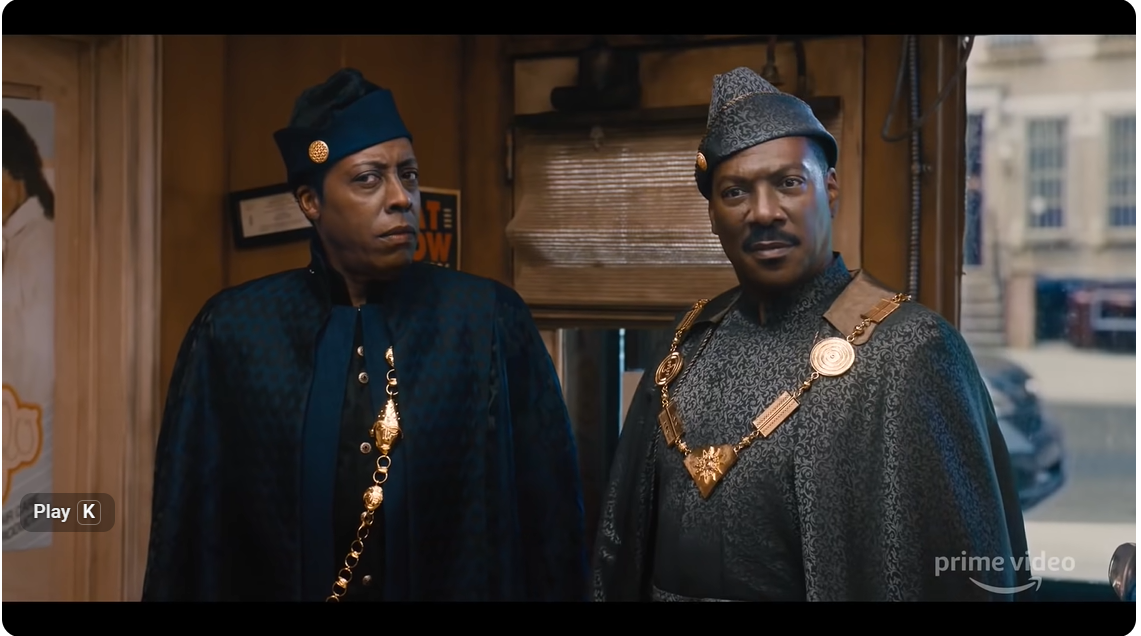
Before Coming to America became one of the most quoted comedies of its generation, it was a pitch that Paramount Studios turned down without much deliberation.
Arsenio Hall, who starred alongside Eddie Murphy in the 1988 film, recently shared that account during an appearance on SiriusXM’s ‘Conan O’Brien Needs a Friend’ podcast. His recollection of how the project went from rejection to box office sensation adds a layer to a film most people thought they already knew.
What Paramount told them
When Hall and Murphy brought the concept of Coming to America to Paramount, the response was brief and discouraging. The studio felt the story of a fish out of water had been done too many times to warrant another attempt. There were no detailed notes, no invitation to revise and resubmit. The answer was simply no.
Hall described the exchange as deflating, particularly given how confident the two had been walking in. They pushed back and asked what specifically needed to change. The studio’s honest answer was that they were not entirely sure, only that the premise felt familiar.
The note that changed everything
What followed that rejection became the turning point. A Paramount executive eventually suggested that the film was missing something audiences genuinely wanted at that moment, which was Murphy doing characters. His ability to disappear into multiple roles had been a signature of his time on ‘Saturday Night Live,’ and that energy had been absent from the original concept.
The suggestion was simple. What if the people Murphy’s character encountered in America were all played by Murphy himself?
That single idea restructured the film. Murphy developed the specific characters from there, and Hall found himself preparing to hold his own opposite one of the sharpest comedic performers in the business. Hall compared the challenge to being asked to guard Michael Jordan, a task that was equal parts thrilling and terrifying.
What the film became
Coming to America tells the story of Prince Akeem of Zamunda, a wealthy African royal who travels to Queens, New York, determined to find a woman who loves him for reasons that have nothing to do with his title or fortune. Murphy and Hall each play multiple roles throughout, a structural choice that gave Coming to America much of its texture and replay value.
Released in 1988, Coming to America grossed over $288 million worldwide and became a defining entry in Eddie Murphy’s career. For Hall, it was a showcase that extended well beyond the straight man role he might have been handed in a lesser version of the script.
Why the rejection mattered
The studio’s initial pass, frustrating as it was at the time, arguably pushed Coming to America toward something more interesting than what was originally on the table. The multi-character framework that came out of that feedback became one of the most discussed elements of the production and gave Murphy room to demonstrate a range that a more straightforward script would not have required.
Hall’s account of those early conversations does not reframe the film so much as it fills in the part of the story that the finished product never tells. Coming to America is remembered for what it became. What Hall described on the podcast is how close it came to becoming nothing at all.
