


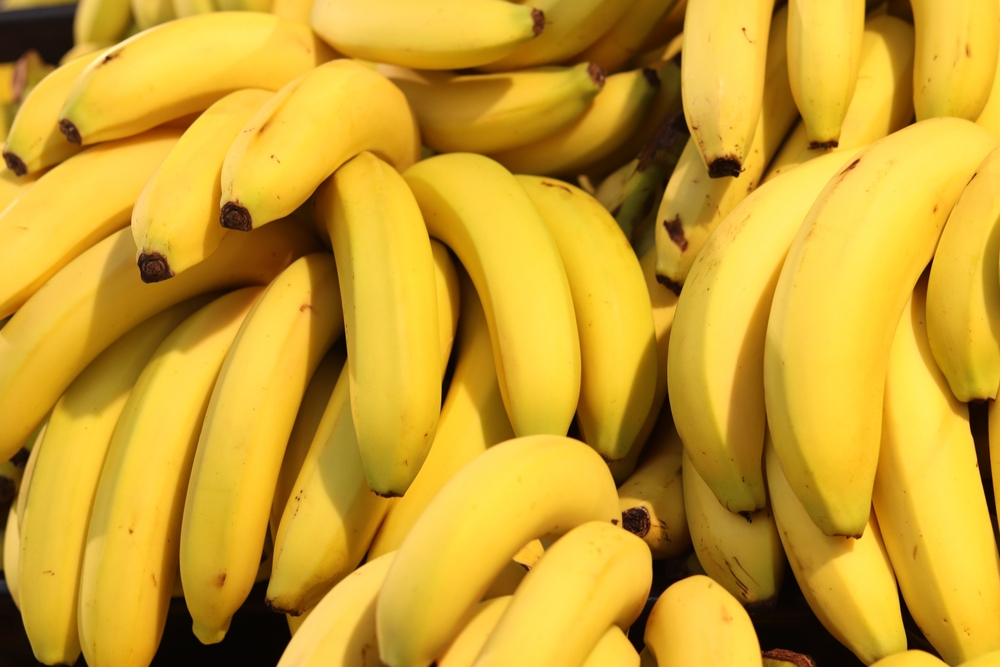
That bunch of bananas in your fruit bowl might be causing unnecessary anxiety if you’re managing diabetes. You’ve probably heard conflicting advice about whether these convenient yellow fruits help or hurt your blood sugar levels. Some sources treat them like nature’s candy bars—sweet bombs to avoid at all costs—while others praise their nutritional benefits regardless of glucose concerns.
The confusion is understandable. Bananas are undeniably sweet, qualities typically associated with foods that spike blood sugar. But is their dangerous reputation deserved, or is there more to the story than sugar content? Understanding the nuances could add this versatile food back to your menu.
The sugar situation isn’t straightforward
Yes, bananas contain sugar. But the type of sugar and how it’s packaged makes all the difference. Unlike refined sugars in processed foods, natural sugars in bananas come bundled with fiber, particularly in less ripe fruits.
This fiber acts like a built-in speed bump for digestion, slowing how quickly sugar enters your bloodstream. While candy dumps sugar all at once creating dramatic spikes, bananas deliver sweetness gradually, resulting in gentler blood glucose rises.
The body processes fruit sugar differently than refined sugar. Fructose, the primary fruit sugar, metabolizes without insulin involvement—primarily in the liver where it converts to glucose for energy. This alternative pathway means fruit sugars typically cause less dramatic insulin demand than equivalent table sugar amounts.
Ripeness changes everything
Not all bananas affect blood sugar the same way. The yellow-to-brown ripeness spectrum is your visual guide to glycemic impact. Spotty, ultra-sweet bananas affect your body very differently than greener, firmer counterparts.
As bananas ripen, starch transforms into simple sugars, making them sweeter and more impactful on blood sugar. Simultaneously, fiber content decreases—a double problem for glucose management. A 100-gram unripe banana serving contains about 18 grams fiber, while fully ripened banana has only 4-5 grams.
Choosing slightly underripe bananas—yellow with green hints and still firm—gives more fiber with less sugar. This difference substantially changes glucose response when eating this fruit.
Portion size matters significantly
Those massive supermarket bananas can be twice dietary guideline serving sizes, effectively doubling carbohydrate impact without realization. A reasonable serving for diabetics is half a medium-sized banana, providing approximately 15 grams carbohydrates.
This portion allows enjoying nutritional benefits without overwhelming blood sugar management. Timing this portion strategically throughout the day rather than consuming whole bananas at once further mitigates glucose spikes.
Nutrition beyond the sugar content
Focusing solely on sugar content misses the bigger nutritional picture. Bananas deliver impressive nutrient arrays benefiting overall health, particularly relevant for diabetics.
Potassium, abundant in bananas, plays crucial roles in maintaining proper insulin function and counteracting sodium-retaining insulin effects. This mineral supports heart health—important considering increased cardiovascular risks with diabetes.
Vitamin B6 participates in more than 100 enzyme reactions, including glucose metabolism-related reactions. Vitamin C and various antioxidants combat oxidative stress, typically elevated in diabetics.
Banana fiber feeds beneficial gut bacteria, potentially improving insulin sensitivity over time. This prebiotic effect supports metabolic health extending beyond immediate blood sugar impact.
The pairing strategy works
How you eat your banana matters almost as much as which banana you choose. Eating banana alone on empty stomachs differs from incorporating it into balanced meals or snacks.
Pairing banana with protein or healthy fats slows digestion and moderates blood sugar response. Effective combinations include banana with Greek yogurt, nuts, or almond butter.
This pairing strategy benefits blood sugar management while creating more satisfying snacks that maintain hunger control longer, potentially helping weight management—often important for diabetes care.
Individual responses vary significantly
The most important understanding about bananas and diabetes is that individual responses vary significantly. Your specific diabetes type, control level, medication regimen, and unique gut microbiome composition influence how your body responds to this fruit.
This variability makes personal testing invaluable. Using glucose monitors to check levels before eating banana and again two hours later provides concrete data about your body’s specific response. This personalized information proves more valuable than general guidelines.
Some diabetics tolerate whole medium bananas with minimal blood sugar impact, while others need smaller portions or careful food pairings. This personalized approach empowers informed decisions rather than relying on one-size-fits-all rules.
Practical integration strategies
Choose bananas that are yellow with slight green tips for optimal flavor-fiber balance. Fully green bananas prove difficult to digest, while overly ripe ones have more sugar and less fiber.
Use banana in portion-limiting ways, such as slicing half banana onto oatmeal or yogurt rather than eating whole as standalone snacks. Freeze ripe bananas for smoothies where you control portion size and blend with protein sources.
Remember physical activity affects carbohydrate processing. Small banana pieces before or after exercise may tolerate better than during sedentary periods.
Track personal response including blood glucose, energy levels, satisfaction, and overall nutritional fit. This holistic approach recognizes diabetes management extends beyond glucose numbers alone.
Bananas don’t deserve their bad reputation in diabetes communities. When eaten mindfully—with attention to ripeness, portions, pairings, and personal response—they fit nutritious and satisfying diets for most diabetics. Their convenience, versatility, and nutritional profile make them worth understanding rather than automatically avoiding based on oversimplified fruit sugar rules.
