


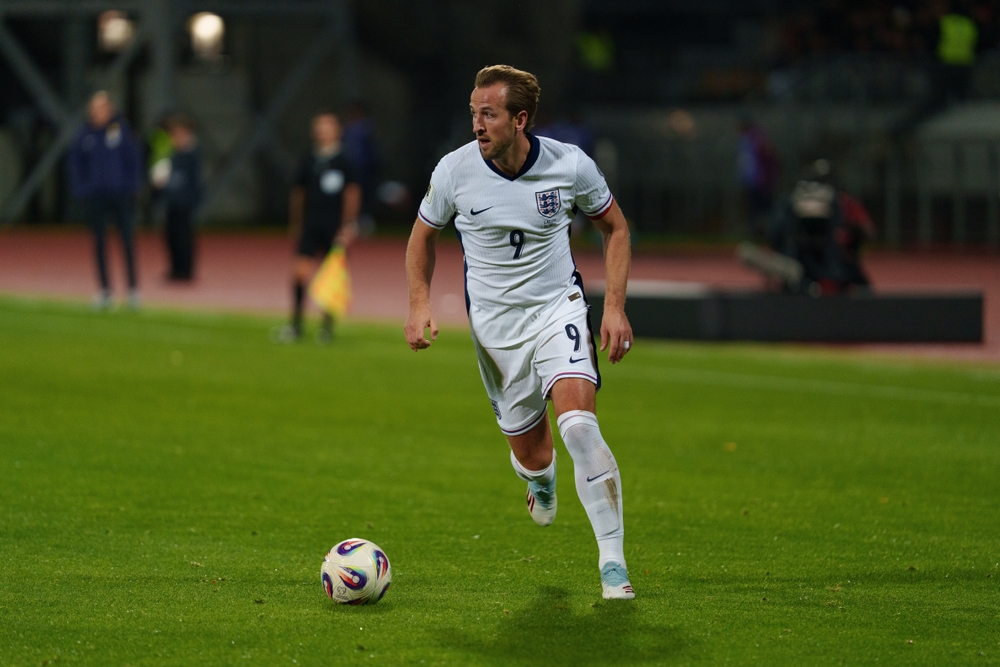
Thomas Tuchel has spent this week trying to keep his England players focused on what they can control as they approach the most historically loaded fixture in international football, a World Cup semifinal against Argentina on Wednesday in Atlanta that carries the weight of 60 years since England last appeared in a final and all the accumulated emotion of one of sport’s most complex and combustible rivalries.
The two nations have not met in competitive football for more than two decades, but the rivalry feels no less intense for the gap. Maradona’s handball goal and one of the most celebrated individual scores in the history of the sport from 1986, a penalty exit in 1998, and the broader backdrop of the Falklands War have woven the fixture into something that transcends sport. Tuchel’s final press conference before the match touched on all of it.
Tuchel’s approach to the weight of history
The England manager has been deliberate about protecting his players from the narrative and emotional freight surrounding the match. His philosophy throughout his tenure has been to reduce information and manage the psychological environment around the team, and that approach intensifies the bigger the stage gets. He has told his players the historic events and iconic moments are not their concern on the night. Their concern is doing what they have been trained to do.
That same philosophy underpins the team culture he has been building since he took over. He describes the togetherness of the squad in terms that go beyond tactical cohesion, framing it as a brotherhood that produces a willingness to give everything on match days and a refusal to concede. The unity was tested after his pointed criticism of the team following their semifinal win over Norway, when questions about the manager’s comments created brief public tension with his star player. Tuchel addressed the situation directly, and those inside the camp described the episode as having produced no lasting fracture.
The squad is fit and the plan is set
Tuchel goes into Wednesday with a fully fit squad, a significant contrast to the injury and illness concerns that had shadowed the team’s tournament preparation. A key right back came through the Norway match unharmed, the midfielder who had been dealing with a stomach issue has stabilized, and two other players who were question marks are fit to start from the beginning if selected.
The availability of every player he wants gives him the flexibility to implement whatever structure he believes offers the best chance against a specific Argentina team. Argentina have been the most consistent performer in this tournament, and Tuchel acknowledged he is preparing for the best version of the defending champions rather than hoping for a reduced opponent.
Messi as the central tactical challenge
No element of the preparation requires more careful thought than how to manage Lionel Messi, who at 39 is leading Argentina’s tournament with eight goals and the kind of orchestrating intelligence that makes him dangerous without the ball as much as when he has it. Messi has never faced England in competitive football, which removes the psychological texture of previous encounters but does nothing to reduce the actual challenge of limiting him on a night when he will be motivated by the opportunity to add England to the list of nations whose World Cup dreams he has ended.
Tuchel described the difficulty of stopping Messi in terms that reflect genuine respect rather than tactical complacency, acknowledging that the Argentine finds small pockets of space and converts the resulting chances at the highest level. Having a plan for him is a precondition of competing on Wednesday. Executing that plan over 90 or more minutes against a player of his quality is a different problem entirely.
Argentina will wear the navy blue shirt they associate with previous World Cup successes, a small piece of psychological theatre that England’s manager took in good humor.
