


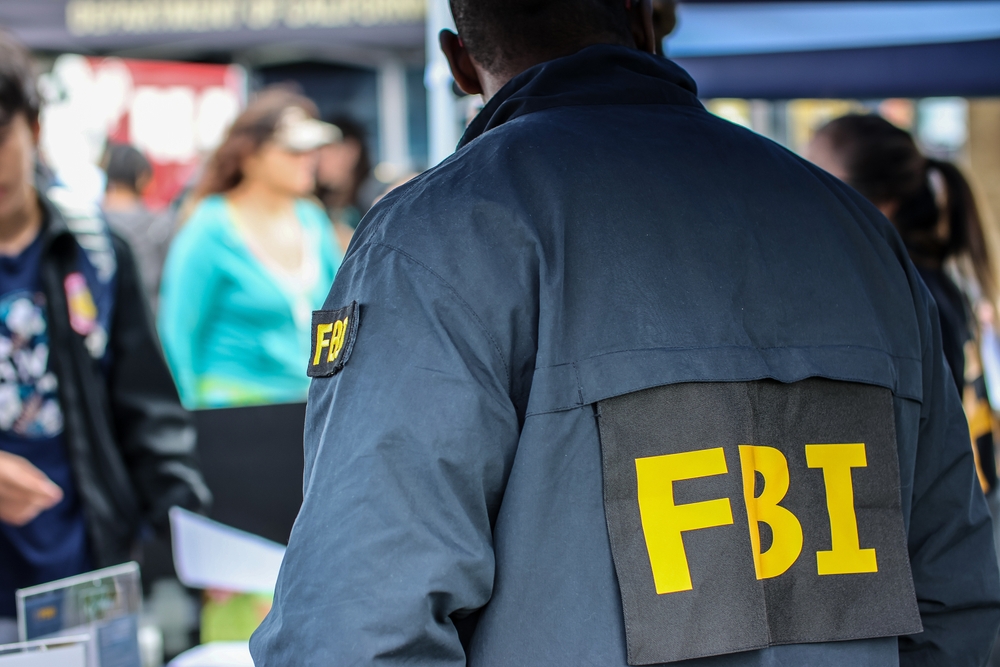
A major federal operation unfolded in Minnesota on Tuesday as law enforcement agencies executed a series of coordinated raids tied to an ongoing investigation into alleged welfare fraud. The action involved the Federal Bureau of Investigation along with state and local partners, according to officials.
Authorities said the operation is focused on suspected misuse of public assistance programs. They emphasized that it is not connected to immigration enforcement, addressing early speculation surrounding the scale and scope of the raids.
Dozens of search warrants executed
Officials confirmed that at least 22 federal search warrants were carried out across multiple locations in the Minneapolis area. The full number of targeted sites has not been publicly confirmed, but the operation spans a wide network of businesses and service providers.
Among the locations visited by agents was a senior and adult day services facility, where federal personnel were seen entering and exiting the building as part of the investigation.
The raids are part of a broader effort by federal authorities to examine alleged fraud involving taxpayer funded programs, including services tied to health and social support systems.
Focus on welfare program oversight
The investigation centers on claims that some providers may have billed government programs for services not fully delivered. These types of allegations often involve complex billing structures tied to state administered assistance programs.
The Department of Justice confirmed that the searches are part of an ongoing fraud probe. Officials said the goal is to identify potential misuse of public funds and strengthen oversight of benefit systems.
The operation reflects increased federal attention on safeguarding public assistance programs, which distribute billions of dollars annually across states.
Political reactions add tension
The raids quickly drew political responses, with Republican officials praising the enforcement action and framing it as a necessary step to protect taxpayers.
Some lawmakers described the investigation in strong terms, linking it to broader concerns about fraud prevention and government accountability.
At the same time, the operation has sparked criticism from those who caution against sweeping generalizations about affected communities. Debate has emerged over how enforcement actions are communicated and interpreted in public discourse.
State officials respond to investigation
Minnesota officials have acknowledged involvement in the broader effort. State leadership said that irregularities were identified through internal monitoring systems and referred for further investigation.
According to public statements, state agencies worked alongside federal partners after identifying suspicious patterns in billing and program participation.
The collaboration between state and federal authorities is part of a standard process used when potential fraud is detected in public programs.
Community concerns and broader impact
The raids have drawn attention in parts of Minnesota’s Somali community, where some of the targeted locations are linked to local service providers. Reactions have been mixed, with concern over possible reputational harm alongside acknowledgment of the seriousness of fraud allegations.
Community advocates have warned that large scale enforcement actions can create fear and uncertainty, even when investigations are still ongoing and no charges have been confirmed.
Officials have not announced any arrests tied directly to the raids at this stage, and the investigation remains active.
What happens next
Authorities say the searches are part of a continuing probe that could expand as evidence is reviewed. Federal agencies will examine seized materials and records to determine whether criminal charges are warranted.
For now, officials stress that the operation is focused on fact finding and enforcement of existing fraud laws.
As the investigation develops, attention is likely to remain on both the scope of alleged misconduct and the broader question of how public assistance programs are monitored and protected.
