


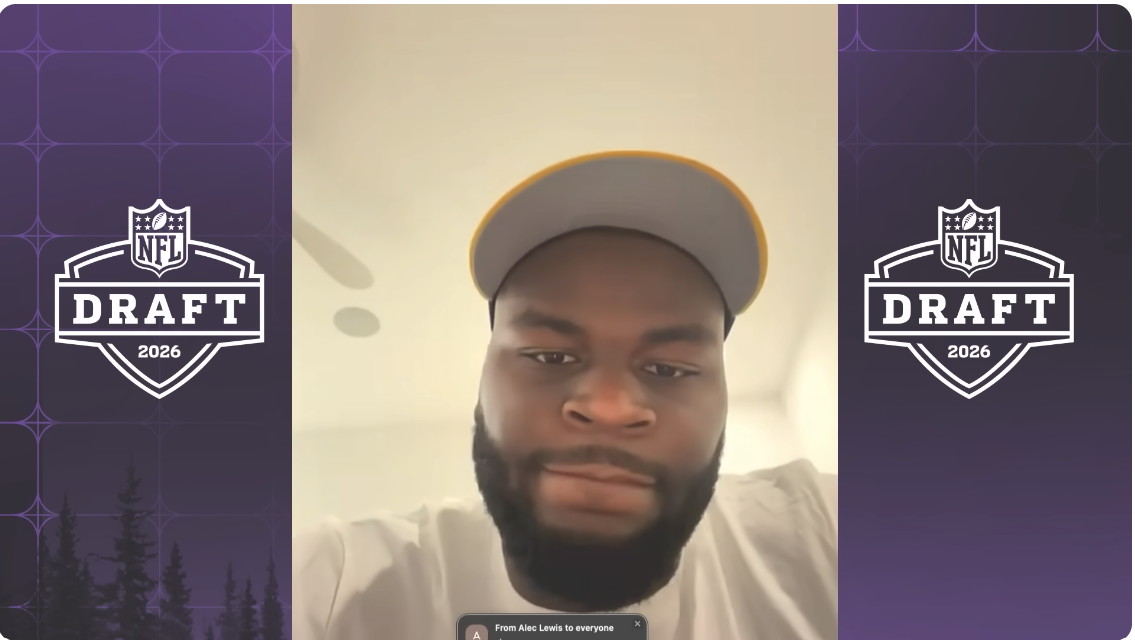
There may be a Gator chomp mixed into a SKOL chant before the 2026 season is over. The Minnesota Vikings used the 18th overall pick in the 2026 NFL Draft to select Florida defensive tackle Caleb Banks, handing interim general manager Rob Brzezinski his first major decision and his first major question mark all in one pick.
Brzezinski did not ease into the role. He swung.
A pick that split opinion immediately
Banks arrives in Minnesota as one of the most physically imposing prospects in this draft class. At 6 feet 6 inches and 327 pounds, he is the kind of player defensive coordinator Brian Flores can build a scheme around if everything falls into place. Head coach Kevin O’Connell called him a top-10 caliber talent, and the comparison doing the rounds in draft circles is Kansas City’s Chris Jones, a three-time Super Bowl champion and perennial Pro Bowler.
Former player and scout Bucky Brooks, writing for NFL.com, said Banks is a strong technician with powerful hands and surprisingly quick feet for a man his size. During his pre-draft media availability at the combine, Banks himself mentioned Jones as a player he studies closely.
The talent is not the debate. The health record is.
Banks and the foot that defined his draft stock
Banks had surgery on March 9 to repair a fractured fourth metatarsal in his left foot. The injury limited him to just three games during the 2025 college season, robbing scouts of meaningful tape and leaving a significant gap in his recent résumé. He sent a letter to NFL clubs ahead of the draft indicating he expects to be fully cleared in early June, which would put him on track for training camp.
Brzezinski acknowledged the risk directly rather than deflecting it. He stated the team has confidence in its medical staff and stood by the evaluation. He also framed the pick in simple terms, saying Banks was the best player on the board and that made the decision straightforward despite the injury concern.
Why Brzezinski took the swing
The Vikings fired former general manager Kwesi Adofo-Mensah in January, a decision tied in large part to a draft record that never fully recovered from passing on Notre Dame safety Kyle Hamilton early in his tenure. Hamilton has since become one of the best defensive backs in the league. Adofo-Mensah’s replacement, the player he chose instead, is no longer in the NFL.
Brzezinski has worked inside NFL front offices for more than 25 years, logging time in personnel meetings alongside coaches, scouts and evaluators for the better part of three decades. His reputation inside the building is that of a connector, someone who earns trust across departments rather than operating in any single lane. O’Connell has spoken positively about his leadership on multiple occasions this offseason.
Still, this pick carries Brzezinski’s name on it more than anyone else’s. Flores almost certainly offered a strong recommendation, and O’Connell was in the room for every conversation. But the interim GM holds final say, and he chose Banks over Oregon safety Dillon Thieneman, who represented a safer, more position-of-need option.
What Banks brings if he stays healthy
Banks played in 12 games as recently as 2024, showing flashes of the disruptive interior presence that had scouts projecting him as a potential top-10 selection before the foot became a recurring issue. His combination of size, hand technique and athleticism at his weight class is unusual, which is part of why the Vikings were willing to absorb the medical uncertainty.
If Banks reaches his ceiling, Minnesota gets a franchise-altering defensive lineman who can anchor Flores’ defense for the next decade. If the foot does not cooperate, the pick joins a short list of costly misses that have defined the franchise’s draft struggles in recent years.
Brzezinski’s first night on the job was anything but quiet. The verdict, as with most draft picks, will take years to arrive.
