


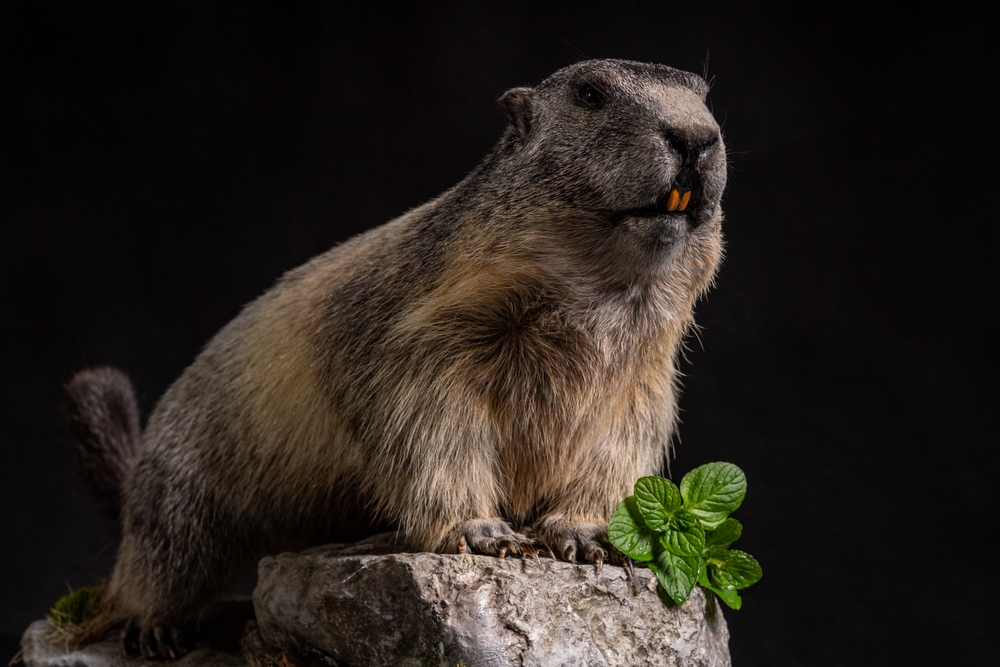
Groundhog Day 2026 places the fate of winter in the paws of a furry forecaster. Punxsutawney Phil prepares to emerge from his burrow on Feb. 2, delivering his annual verdict on whether Americans will endure six more weeks of brutal cold or celebrate an early spring.
This year’s prediction carries extra weight. The East Coast remains buried under snow from a massive late-January storm that paralyzed the region. Residents desperate for relief will watch closely as the celebrity groundhog makes his call Monday morning in Pennsylvania.
The Ancient Ritual Behind the Rodent
Groundhog Day traces its origins to fifth-century European Celts who believed animals possessed supernatural abilities on days marking the midpoint between winter solstice and spring equinox. The tradition evolved through German and French folklore about marmots and bears emerging from hibernation. When these creatures spotted their shadows, legend claimed they retreated underground for four to six more weeks of winter.
Romans adapted the custom as Hedgehog Day. Christianity later merged it with Candlemas, a festival of lights celebrated on Feb. 2. German immigrants brought the tradition to Pennsylvania, where the first American reference appeared in storekeeper James Morris’s diary on Feb. 4, 1841. Morris wrote that Germans believed the groundhog would return to his quarters for another six weeks if he glimpsed his shadow on Candlemas.
When Shadow Means Suffering
The rules remain simple. On Feb. 2, a sunny day allows the groundhog Phil to see his shadow, signaling six additional weeks of winter weather. Cloudy skies prevent the shadow sighting, promising an early spring. Despite the groundhog tradition’s lack of scientific backing and Phil’s notorious inaccuracy, the ritual continues to captivate audiences.
A Scottish poem captures the spirit. As the light grows longer, the cold grows stronger. If Candlemas be fair and bright, winter will have another flight. The verse connects longer daylight hours to intensifying cold, a pattern medieval societies recognized.
Why February Second Matters
The date holds mathematical significance. Spring officially arrives around March 20 or 21 in the Northern Hemisphere, exactly six weeks after Groundhog Day. Before the Gregorian calendar replaced the Julian system roughly 1,000 years ago, the spring equinox fell on March 16. The National Weather Service suggests Groundhog Day may have begun as folk humor addressing calendrical confusion when two systems collided.
Some scholars propose the custom reconciled competing traditions. Ancient cultures marked seasonal changes at cross-quarter days like Imbolc when daylight gained ground against darkness. Others insisted spring started only when daylight exceeded nighttime at the vernal equinox. The groundhog became the arbiter settling these conflicting beliefs annually.
Phil’s Dismal Track Record
Punxsutawney Phil, the famous groundhog, predicted longer winter conditions in 2025, continuing his pattern. The National Oceanic and Atmospheric Administration analyzed his accuracy in January 2025, finding Phil correct only 35 percent of the time. Among 19 American animals making Feb. 2 weather predictions over the past two decades, Phil ranked 17th. His forecasting prowess falls well below a coin flip.
Phil’s first official shadow sighting happened in 1887. Front-page newspaper coverage began in 1908 when Phil saw his shadow. Photographer John Frampton captured the first image in 1913. Between 1913 and 1933, Phil endured his longest shadow-sighting streak at 21 consecutive years. His briefest no-shadow run lasted two years between 2019 and 2020. World War II in 1943 marked the only year Phil skipped his appearance. Through 2025, Phil has predicted extended winter 109 times, far outnumbering his early spring calls.
The 2026 Verdict Approaches
Phil typically emerges after 7 a.m. Monday for his weather proclamation. Handlers will interpret whether he spots his shadow beneath Gobbler’s Knob in Punxsutawney. The ceremony attracts thousands despite subzero temperatures, blizzard conditions, and snow-clogged roads this year. Television cameras will broadcast the moment worldwide as Phil either condemns millions to prolonged winter misery or offers hope for imminent warmth. His prediction may lack scientific merit, but tradition ensures Americans will listen when this Pennsylvania groundhog speaks.
Source: Delaware News Journal
