


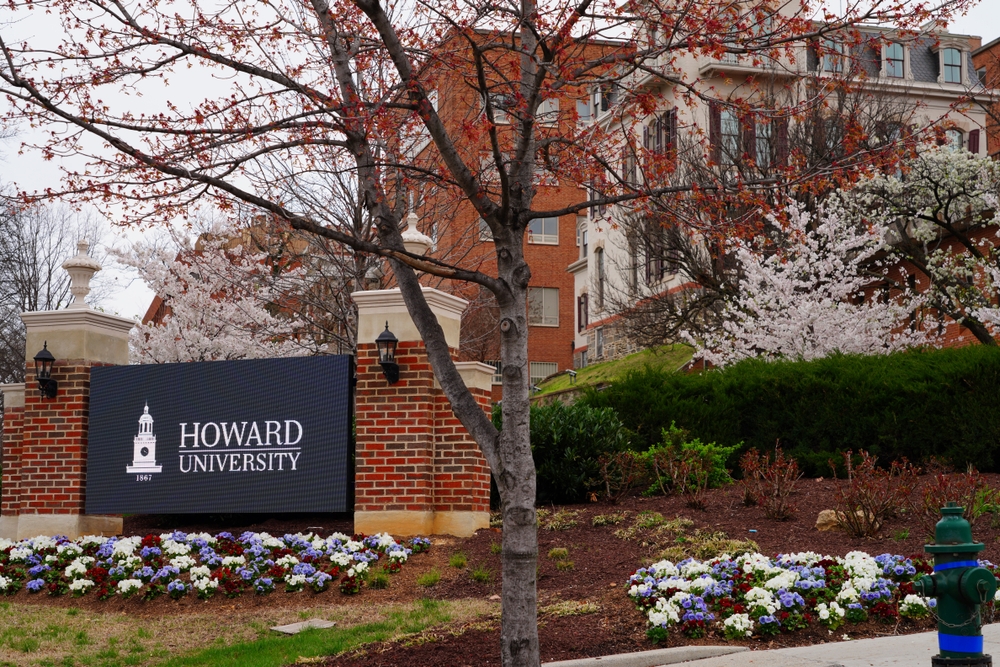
One of the most storied HBCUs in the country is now at the center of a growing national conversation. Howard University’s athletics department has rolled out a new pregame protocol requiring all student-athletes to either stand during the national anthem or remain in the locker room. The policy, confirmed by women’s basketball associate head coach Brian Davis, arrives in the middle of a season — and in the middle of a climate where Black athletes speaking out feels more urgent than ever.
The trigger was a December 29 game against the United States Military Academy, where the Howard women’s basketball team chose to kneel during the anthem as they had done at every game since 2020. What followed was a wave of internal conversations that ultimately produced a department-wide mandate.
A Protest Rooted in Years of Pain
The women’s basketball program did not start kneeling on a whim. The team has maintained the practice since the height of the COVID-19 pandemic, when the deaths of Black men and women at the hands of law enforcement dominated national headlines and sparked a global reckoning.
Brian Davis made clear that the gesture was never meant to disrespect the military or anyone in attendance. The program, he noted, includes families with military backgrounds. The intent was solidarity with a community that had been grieving — not provocation.
Following the Army game controversy, the team made a collective decision to spend the remainder of the season in the locker room during the anthem rather than risk further fallout. Brian Davis explained the reasoning plainly — the team did not want to bring negative attention to Howard University, so staying off the floor during the anthem became the new standard for every game, home and away.
Howard’s Long History of Taking a Stand
This is far from the first time Howard has found itself at the intersection of athletics and activism. The university has a deep tradition of student-led protest that stretches back decades.
- In 2016, Howard University cheerleaders knelt in solidarity with Colin Kaepernick’s movement against police brutality, with the photo going viral across ESPN, CNN, BET, and Complex
- The 1960s saw revolutionary campus leaders like Ewart Brown and Tony Gittens organize major demonstrations against national social injustices
- Howard students have historically used public platforms — including athletic events — as spaces for civil expression
That legacy makes the new policy land differently than it might at another school. For many in the Howard community, kneeling is not a political stunt — it is a continuation of a tradition that is woven into the university’s identity.
Where Other Athletes Stand on the New Policy
The policy is not sitting quietly on the sidelines. It has sparked conversations across other Howard athletic programs about where individual athletes draw the line between institutional loyalty and personal conviction.
Men’s soccer junior goalkeeper Ireal Wyze-Daly said his program held its own internal discussion about whether to stand in solidarity with the women’s basketball team or fall in line with the department’s expectations. Wyze-Daly made his personal position clear — he does not stand for the anthem. But he also acknowledged the weight of the decision, noting that athletes were told individual acts of protest could put the entire athletics department at risk, including funding and support for more than 500 student-athletes.
That is a heavy burden to place on any one player’s conscience.
What This Moment Really Means for HBCUs
Howard University was founded in 1867 as a space where Black excellence could be cultivated, protected, and celebrated without compromise. The tension playing out in its athletics department right now is a direct reflection of the larger pressures Black institutions face in 2026 — balancing the demands of administration, donors, military partnerships, and a student body that is watching closely.
The new protocol may be framed as a matter of mutual respect. But for the athletes who have knelt in memory of lives lost, it feels like something else entirely. The locker room, for now, has become the quiet compromise — a space where Howard’s athletes can hold their convictions without consequence, at least for the rest of this season.
Source: HBCU Sports
