


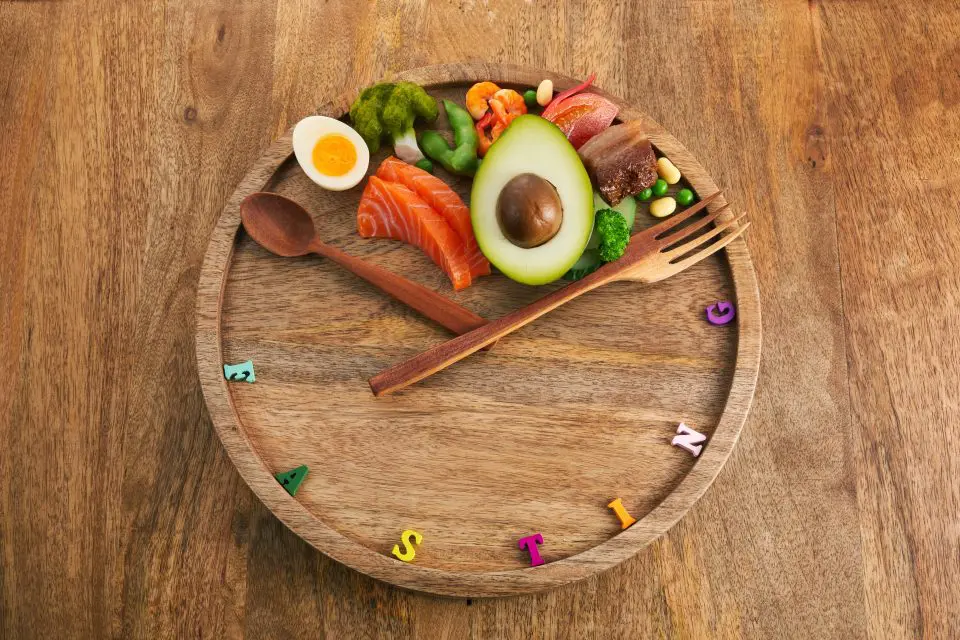
Intermittent fasting has become genuinely popular because it actually works for many people, but most people do it wrong and then blame the method for failing them. The difference between intermittent fasting that transforms your health and intermittent fasting that leaves you exhausted involves understanding what your body actually needs during eating and fasting windows. Approaching this as a sustainable lifestyle rather than a temporary punishment changes everything about whether you succeed long-term.
The basic concept is simple: you restrict eating to specific time windows while fasting during the rest. Your body adapts to this pattern, eventually using stored energy more efficiently. But that adaptation only works if you’re actually nourishing yourself properly during eating windows and respecting your body’s signals during fasting periods. Most people sabotage themselves by undereating during eating windows or expecting their bodies to function normally on minimal calories.
Start with 12-hour fasting before going extreme
The healthiest approach to intermittent fasting starts conservatively with a 12-hour fasting window. This might mean finishing eating by 8 p.m. and not eating again until 8 a.m., giving your body time to digest without requiring dramatic restriction. Many people naturally fast this long overnight, so 12-hour fasting feels sustainable rather than punishing.
After your body adapts to 12-hour fasting, you can gradually extend to 14 or 16 hours if desired. This progressive approach prevents the metabolic shock and hormonal disruption that occurs when people suddenly jump to extreme fasting protocols. Your body needs time to adjust, and respecting that timeline prevents the energy crashes and mood swings that make intermittent fasting feel impossible.
Hydration is non-negotiable during fasting windows
The biggest mistake people make during fasting windows is forgetting that water, unsweetened tea and black coffee are allowed. Staying hydrated during fasting periods prevents the fatigue, headaches and dizziness that make people quit. Dehydration masquerades as hunger, so drinking sufficient water during fasting windows means you’re actually addressing your body’s needs rather than ignoring them.
Aim for half your body weight in ounces of water daily, spread evenly throughout both fasting and eating windows. Herbal tea and black coffee provide additional hydration while giving your mouth something to do during challenging fasting periods. The psychological benefit of having something warm to consume shouldn’t be underestimated when managing fasting discomfort.
Eating windows require thoughtful nutrition, not calorie restriction
The critical mistake people make during eating windows is eating junk food instead of nutritious whole foods. Intermittent fasting isn’t an excuse to consume whatever you want because you’re restricting eating windows. During your eating window, you need sufficient protein, healthy fats and complex carbohydrates to sustain your body through the next fasting period.
Aim for protein at every meal during eating windows because it keeps you fuller longer and prevents the blood sugar crashes that trigger hunger during fasting periods. Include healthy fats from avocado, nuts and olive oil alongside plenty of vegetables. These nutritious choices fuel your body properly instead of creating the nutrient deficiencies that make intermittent fasting feel exhausting.
Exercise timing matters when fasting
Exercising during fasting windows is possible but requires careful management. Light to moderate exercise like walking or gentle yoga works fine during fasting periods, but intense strength training or cardio should happen within your eating window when your body has available energy and can properly recover.
Your body needs glucose and amino acids to build muscle and recover from intense exercise. Providing these during eating windows while doing lighter movement during fasting windows creates the optimal combination for both fitness and sustainable fasting.
Listen to your body instead of forcing schedules
The healthiest intermittent fasting approach respects your body’s signals instead of rigidly adhering to schedules regardless of hunger. If you’re genuinely hungry during fasting windows, eating something small is better than white-knuckling through discomfort. Some days your body needs more fuel than others, and flexibility prevents the restriction mentality that makes intermittent fasting unsustainable.
Intermittent fasting should enhance your life, not create constant struggle. If after several weeks you’re exhausted, irritable or unable to concentrate, your fasting window is too extreme. Adjusting to a shorter fasting period or eating more during eating windows transforms intermittent fasting from punishment into a sustainable approach that actually improves your health.
