


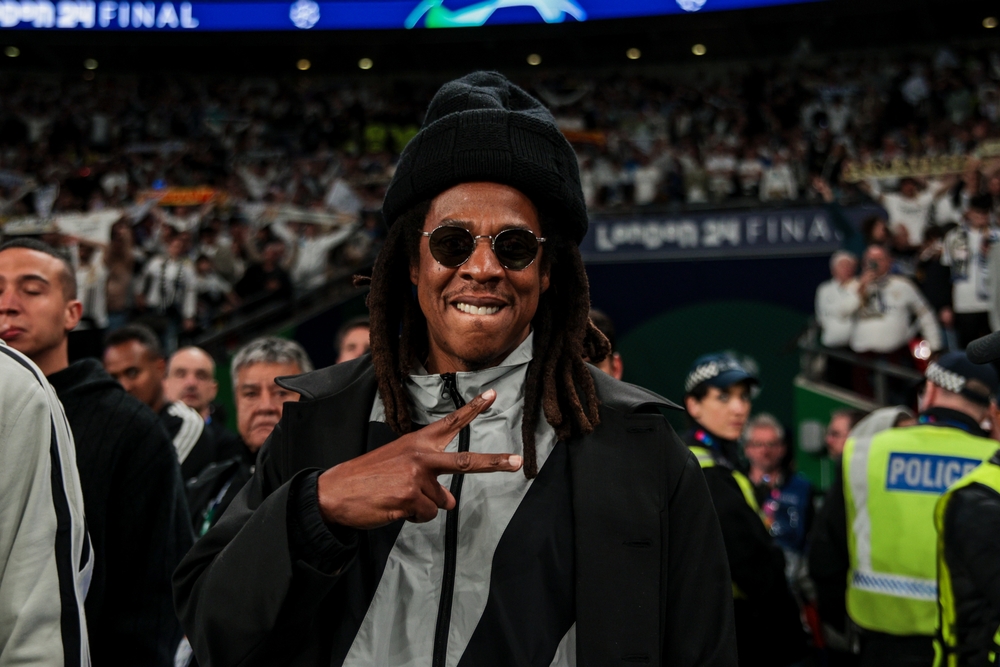
Jay-Z sat down with producer Rick Rubin for eight episodes to unpack more than two dozen of his own songs, and the result is one of the most personal documents of his career. The series, Jay-Z in 8 began airing on HBO and HBO Max on September 18, with two new episodes dropping every Friday through October 9. It arrives during a year Jay-Z has spent celebrating three decades in music, and it answers a question longtime fans have quietly asked for years. What was actually going on in his head when he wrote some of his most quoted verses.
Why is Jay-Z revisiting his catalog now?
This year alone brought sold out shows at Yankee Stadium, a headlining set at the Roots Picnic and a run marking the 25th and 30th anniversaries of The Blueprint and Reasonable Doubt. He has not dropped a solo album since 4:44 in 2017, so instead of new music, he is giving fans something arguably rarer, a direct look at his process. Shot in black and white inside Paris’ Palais Brongniart, the series leans into intimacy over spectacle.
JAY-Z breaks down a few of the double entendres in “Dynasty Intro”
Bill Cosby’s son was murdered on a highway while trying to change a spare tire.
“Knowing I can go, just switching a spare,
On the highway to life, nigga I sharpen my sight”Ending with “sight” after the… pic.twitter.com/3uM07KzD01
— 💎🍾 (@TheRocSupremacy) September 19, 2026
What does Jay-Z reveal about his relationships?
Some of the most striking moments have nothing to do with rhyme schemes. Jay-Z opens up about his bond with the Notorious B.I.G., recalling how the two clicked while recording Brooklyn’s Finest and stayed close until Biggie’s death. He also revisits his tension with Nas, tracing it back to a missed studio session for Reasonable Doubt, and addresses a disagreement with Kanye West over a lyric referencing West’s MAGA hat during the recording of Jail. Jay-Z says he told West to remove his own verse if the line bothered him that much. West kept it in, though he later admitted the moment affected him deeply.
How are critics reacting to the Jay-Z documentary?
The reviews are far from unified, which says something interesting about the format itself. Some critics call it a revealing and overdue look at a notoriously private artist, praising the way Rubin lets silence and lingering shots do the emotional work. Others argue the series drags, comparing it to a long form podcast that would have worked better without the visual padding, and note that Jay-Z and Rubin sometimes skim past the most complicated chapters of his story rather than dig in.
What makes this documentary matter for hip hop?
Beyond the individual anecdotes, Jay-Z in 8 is doing something hip hop rarely gets credit for. It treats rap lyrics with the same literary seriousness usually reserved for poetry, forcing viewers to slow down and actually listen instead of skimming past the hook. For a genre still fighting outdated assumptions about depth and craft, that alone makes this project worth paying attention to, regardless of where anyone lands on the pacing debate.
