


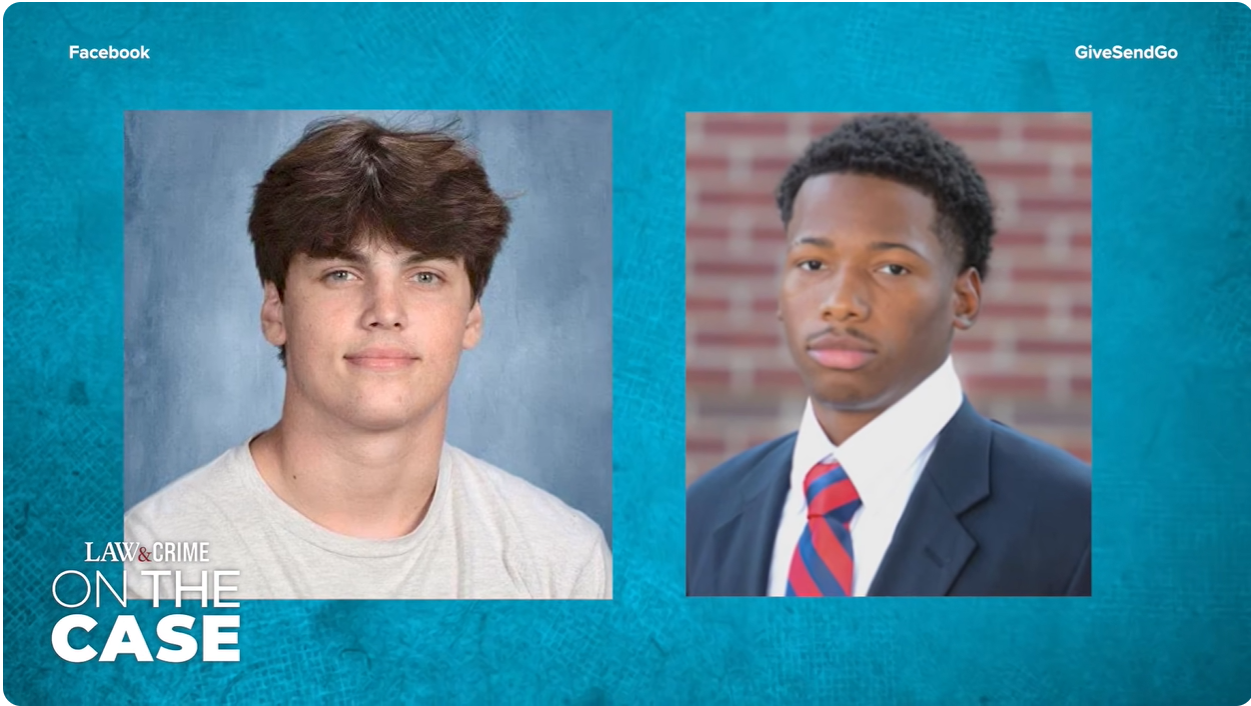
Retired Judge Michael Chitty ruled Saturday that Karmelo Anthony will not receive a new trial, keeping his murder conviction and 35-year sentence exactly where they were before the hearing started. The decision followed two days of testimony in McKinney, Texas, where attorneys from both sides walked through what really happened behind closed doors during Anthony’s original trial.
A conviction that already made headlines
Anthony, 19, was convicted in June of stabbing 17-year-old Austin Metcalf to death during a heated confrontation at a Frisco track meet in April 2025. A Collin County jury took about three hours to reach a guilty verdict, then spent several more hours deciding on the 35-year sentence. Anthony sat through the entire trial without ever testifying on his own behalf, a decision that would later become the center of his appeal.
The agreement that fell apart at the worst possible time
At the heart of this latest hearing was an informal understanding between Anthony’s original defense team and prosecutors, one designed to keep certain character evidence about both Anthony and Metcalf out of the courtroom. Former defense attorney Mike Howard testified that everything changed on the final day of trial, when prosecutors indicated the agreement would not protect Anthony if he chose to testify. Howard described the fallout as tense and rushed, leaving Anthony to make a defense-shaping decision under pressure he hadn’t planned for.
What the prosecution’s own training materials revealed
One of the more overlooked moments from the hearing involved lead prosecutor Bill Wirskye. Defense attorneys pointed to a slide from a continuing legal education course Wirskye had taught, one that advised attorneys that a client in a self defense case typically needs to take the stand. It’s a small piece of testimony that hasn’t gotten much play elsewhere, but it matters. If the state understood how costly Karmelo’s silence would be, the collapse of the agreement on the trial’s final day looks less like a misunderstanding and more like a turning point that worked against him.
Why a different judge made this ruling
John Roach, the judge who oversaw Anthony’s original trial, wasn’t the one who decided this motion. He was removed from the case earlier in the week after a separate judge found his post-verdict comments, including statements defending his own courtroom decisions, raised legitimate questions about his impartiality. That kind of removal is rare in a case already under this much scrutiny, and it’s the reason Chitty, not Roach, had the final say Saturday.
What comes next for Karmelo Anthony
Prosecutors said they weren’t surprised by the ruling and continue to stand by the jury’s verdict. Anthony’s appellate team said this is far from over, confirming plans to take the case to the Fifth Court of Appeals and push for a full review of the issues raised. Anthony remains in custody while that process moves forward.
Race has shadowed this case from the beginning, with Anthony being Black and Metcalf white, even as both prosecutors and defense attorneys told jurors the confrontation itself had nothing to do with race. That tension hasn’t gone away, and it’s unlikely to fade as the appeal plays out.
