


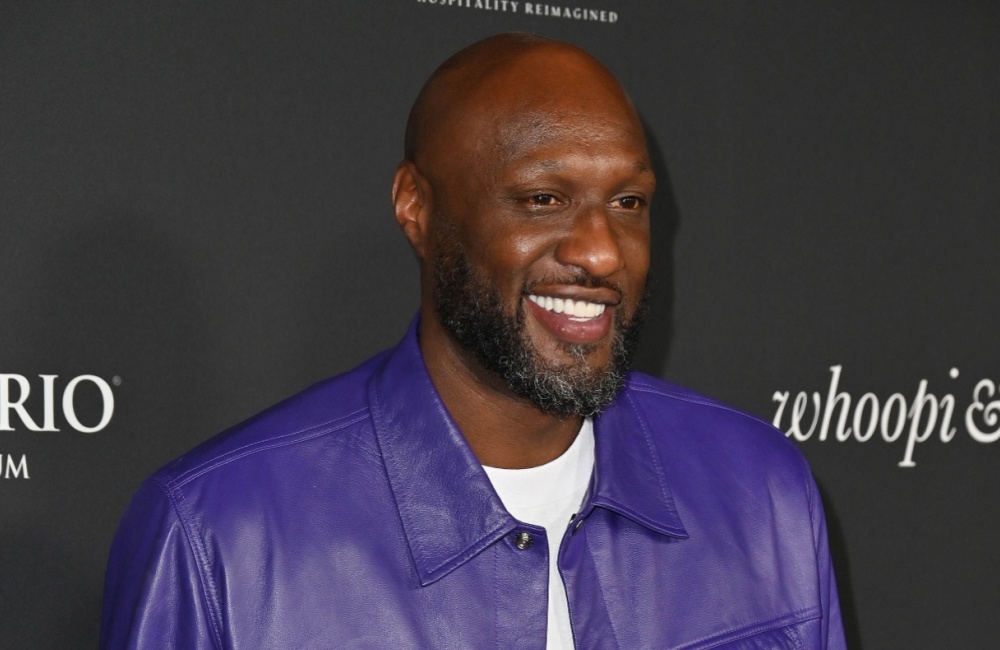
The release of Untold: The Death of Lamar Odom has done more than revisit the highs and lows of one of basketball’s most complicated legacies. It has cracked open a much larger conversation one that extends far beyond celebrity gossip and into the living rooms of everyday women who have, at some point, loved someone who was slowly unraveling.
At the center of that conversation is Khloé Kardashian, whose loyalty to Odom during the darkest years of his life has long been both admired and dissected by the public. The documentary paints a vivid picture of just how consuming that role became one where she was less of a wife and more of a lifeguard, constantly pulling someone she loved back from the edge.
What the film makes impossible to ignore is how normalized it has become for women to absorb that kind of chaos and call it love.
When loyalty becomes a trap
There is a long and deeply embedded cultural narrative heard in everything from hip-hop anthems to family dinner table advice that frames a woman’s willingness to endure hardship as a measure of her love. Songs celebrating the ride or die girlfriend, the woman who stays through the addiction, the arrests, the lies, have shaped entire generations of romantic expectations.
For Black women in particular, this pressure carries an even heavier weight. The expectation to hold everything together, to protect the family unit, to be strong at the expense of being whole it is a burden passed down quietly but consistently.
Odom’s documented struggles, which according to the film included 12 strokes and 6 heart attacks tied to years of substance abuse, placed Kardashian in an impossible position for years. The documentary illustrates how she repeatedly stepped in during crises, shouldering responsibility for someone whose battle was not hers to fight alone.
The line between loving someone and losing yourself in the process is rarely clean. More often, it disappears gradually, one compromise at a time.
The cost of staying
Staying in a relationship defined by instability and pain does not just affect the heart it affects the body, the mind and the future. Chronic emotional stress has well-documented links to anxiety, depression, disrupted sleep and even physical illness. For women who remain in relationships with partners battling addiction or other destructive behaviors, the toll compounds over time, often without them fully recognizing what is being taken from them.
There is also the quieter damage the erosion of self-trust. Women who spend years managing someone else’s crises can find themselves unsure of their own needs, unable to identify what a healthy relationship even looks like anymore.
Leaving, in those circumstances, is not giving up. It is recovery.
Choosing yourself is not betrayal
One of the most important shifts in how society talks about relationships is the growing acknowledgment that walking away is an act of courage, not failure. The stigma that has long attached itself to women who leave particularly those who leave partners who are sick or struggling is one of the most quietly harmful ideas in modern romantic culture.
Women should not need to reach a breaking point before they are permitted, by themselves or by others, to say that a relationship is no longer sustainable. The decision to leave does not require a dramatic final incident. It can simply come from the quiet, clear recognition that staying is no longer livable.
Choosing oneself is not selfishness. It is survival. It is also, in many cases, the only thing that actually creates space for the other person to face the consequences of their own choices something that genuine enabling never allows.
What Khloé’s story really teaches us
Beyond the tabloid headlines and the reality television chapters of this story, what Kardashian’s experience offers is a deeply human example of what it looks like to be caught between love and self preservation.
She eventually made the choice to walk away. And that choice not the years of endurance may be the most instructive part of her story.
Women watching this documentary deserve to see that reflected clearly: not just the sacrifice, but the liberation on the other side of it. Because the most powerful thing a woman can do, when love has become a source of harm, is decide that her own life matters just as much.
That decision should never come with an apology.
