


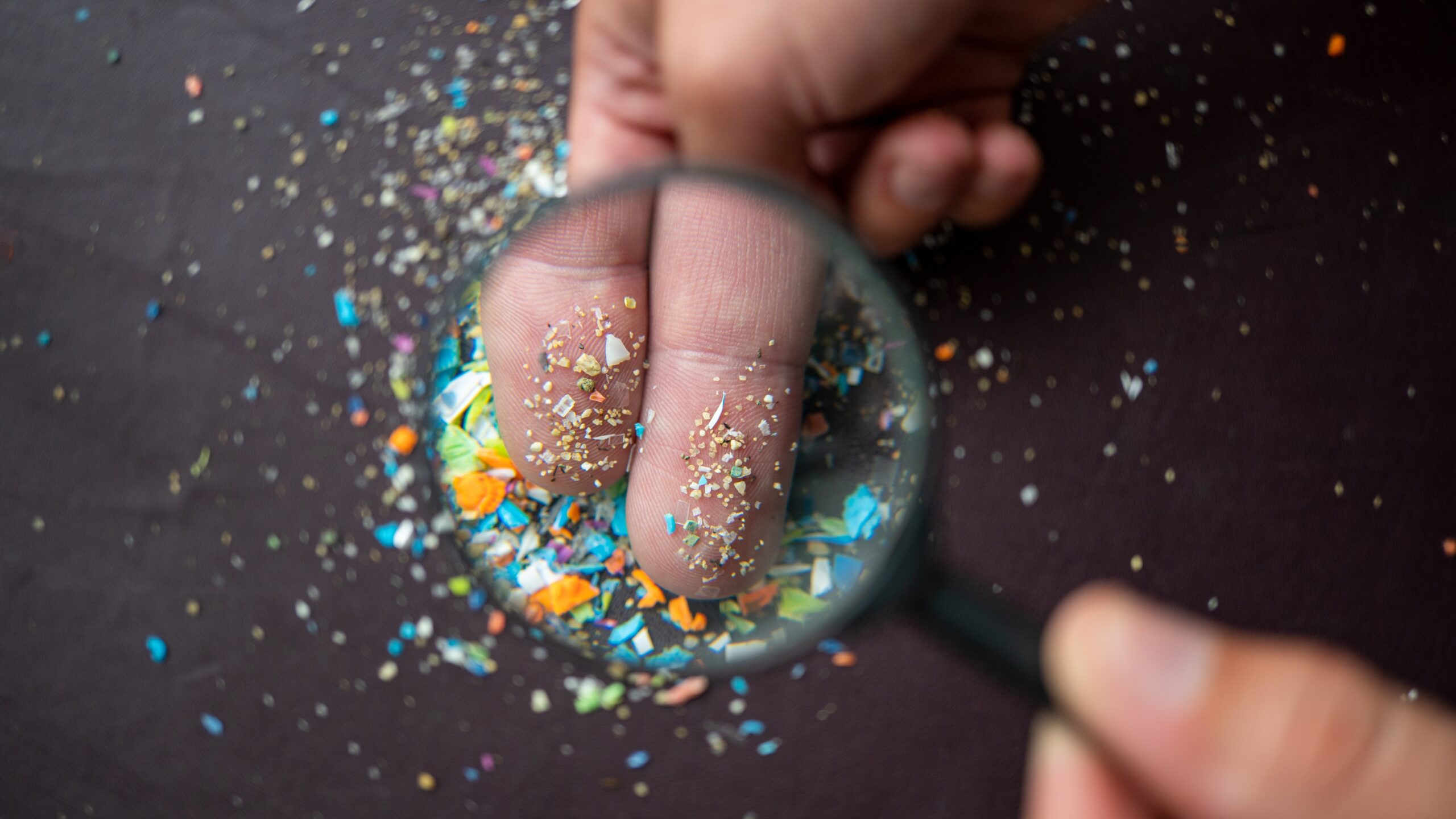
Most people making environmentally conscious swaps feel good about the effort. Reusable bottles, cloth bags, metal straws. These choices matter. But new research is raising a more unsettling question, one that goes beyond what we toss in the recycling bin and into what may already be inside the human body, including the brain.
Scientists have confirmed the presence of microplastic particles in human brain tissue. Now a new review is mapping out exactly how those particles may be causing harm, pointing to biological pathways linked to some of the most serious neurological conditions known to medicine.
What the new research reveals
A systematic review published in a peer-reviewed biochemistry journal identified five biological pathways through which microplastics may damage the brain. Researchers found that these particles appear capable of activating immune cells, increasing oxidative stress, weakening the blood-brain barrier, interfering with cellular energy systems and directly damaging neurons.
The blood-brain barrier is particularly significant. It exists to protect the brain from harmful substances circulating in the body. When microplastics weaken that barrier, it becomes more permeable, allowing inflammatory molecules and immune cells to enter the brain and trigger further damage. The cascading effect is one reason researchers are paying close attention.
These pathways overlap with processes already associated with neurodegenerative diseases. In the context of Alzheimer’s disease, the concern centers on the potential buildup of specific proteins linked to cognitive decline. In Parkinson’s disease, the worry involves harm to the neurons responsible for dopamine production. Researchers are careful to note that a direct causal link has not yet been established, but the overlapping mechanisms are significant enough to warrant serious scientific attention.
How much plastic are we actually consuming
The estimated scale of human microplastic consumption adds urgency to the research. Studies suggest that adults may be ingesting roughly 250 grams of microplastic particles annually, an amount comparable in volume to a full dinner plate. These particles arrive through food, drinking water, household dust, plastic packaging, and synthetic textiles. They are not limited to any single source or lifestyle.
Reducing exposure at home
While eliminating microplastics entirely is not realistic, reducing daily exposure is achievable through targeted swaps. One of the more surprising sources is tea. Research from a Canadian university found that plastic-based pyramid tea bags release billions of microscopic plastic particles into a single cup of hot water. Loose-leaf tea brewed in a stainless-steel strainer eliminates that exposure almost entirely, and several brands now offer compostable plastic-free bag alternatives.
Clothing is another significant source. Synthetic fabrics including polyester, nylon and fleece shed microscopic plastic fibers with every wash cycle. Studies have found that a single laundry load can release hundreds of thousands of these particles into the water supply, where treatment systems are generally not equipped to filter them out. Choosing garments made from 100% natural fibers such as wool, cotton or linen reduces that shedding substantially.
Water and everyday products
Research comparing tap water and bottled water has found that bottled water tends to contain significantly more microplastic particles, likely due to leaching from the plastic container itself. Filtering tap water and storing it in stainless-steel or glass containers is among the more effective steps available to consumers. Labeling that describes plastic as free of specific chemicals does not guarantee the absence of microplastic shedding.
Travel toiletries represent a smaller but still meaningful exposure point. The miniature plastic bottles used for travel-size products are rarely recyclable and contribute to broader plastic accumulation. Solid alternatives and refillable containers made from non-plastic materials are increasingly available and practical.
A realistic response to an unrealistic problem
No one can fully opt out of a world saturated in plastic. The particles are in the air, the water supply, the food chain and now confirmed in human tissue. But the research emerging around microplastics and brain health makes the case that reducing exposure, even modestly, is no longer just an environmental preference. It is increasingly a personal health decision.
