


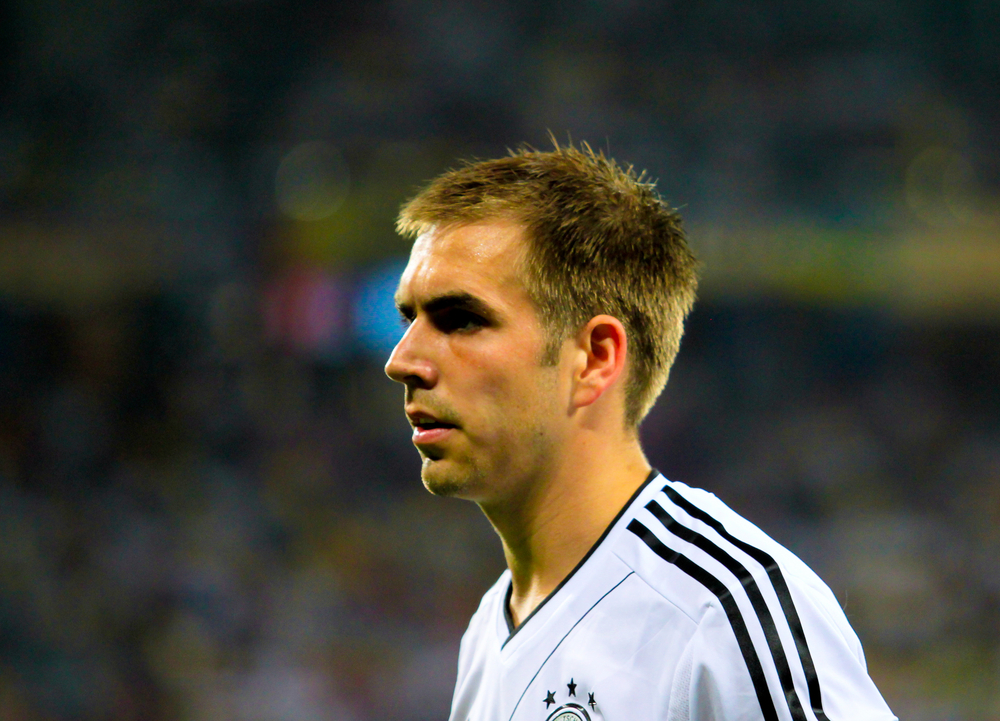
Philipp Lahm, who captained Germany to the World Cup in 2014, has launched one of the most pointed critiques of FIFA’s leadership to emerge from within the football world, writing in a prominent German newspaper that the governing body is selling out the sport’s most important event and undermining the trust of fans who struggle to separate the tournament they love from the organization running it.
Lahm’s column described a governing body that has prioritized revenue over credibility and questioned whether the integrity of the World Cup itself is being compromised in the process. His criticism was not from a casual observer but from someone who has experienced the tournament at its highest level and has been willing to challenge FIFA’s leadership before, having previously said the organization’s president lacked integrity during the 2022 World Cup.
Ticket pricing and transparency in the crosshairs
Among Lahm’s specific concerns was what he described as a lack of honesty from FIFA about genuine ticket demand and the use of that information to maximize revenue. The pricing controversy at the 2026 World Cup has drawn criticism from multiple directions, with first-round tickets ranging from several hundred to tens of thousands of dollars and parking and transportation costs adding further burden for fans attempting to attend matches in person.
Lahm’s framing went beyond cost alone. He suggested that the credibility problem for FIFA is structural, rooted in a pattern of prioritizing commercial extraction over the interests of supporters. When fans cannot trust the organization’s account of basic facts like ticket availability, the relationship between the governing body and the people who make the tournament possible begins to deteriorate in ways that extend beyond any single pricing decision.
The Club World Cup and player welfare
Lahm also directed criticism at the expanded Club World Cup, which took place for the first time last summer and added a significant volume of competitive matches to an already congested calendar for the world’s top players. The physical demands of modern football have become a recurring concern among coaches, managers, and player representatives, and Lahm’s column placed FIFA’s tournament expansion decisions within that broader context.
The relationship between tournament proliferation and player welfare is not a simple one. More competition means more revenue for FIFA and in theory more exposure for the sport. It also means more miles traveled, more matches played, and less recovery time for players who are already operating at the physical limits of what the human body can sustain across a nine-to-ten-month club season before major international tournaments arrive.
Where Lahm offered credit
The critique was not entirely negative. Lahm acknowledged that the governing body was doing things right in some areas and specifically praised the expanded 48-team format for creating meaningful World Cup stories for nations that had historically been excluded from the tournament. He pointed to smaller football nations whose presence at a major World Cup generates genuine emotion and expands the event’s global reach in ways that justify the format change.
His endorsement of the expanded field while criticizing the commercial and governance decisions around it reflected the complexity of evaluating an organization whose decisions produce both genuine good and genuine harm simultaneously.
On the question of a biennial World Cup, Lahm was unambiguous. He rejected the idea that staging the tournament every two years would enhance it, arguing instead that the gap between tournaments is part of what gives the event its weight and that adequate preparation and reflection time are essential to its lasting impact on the sport and its supporters.
