


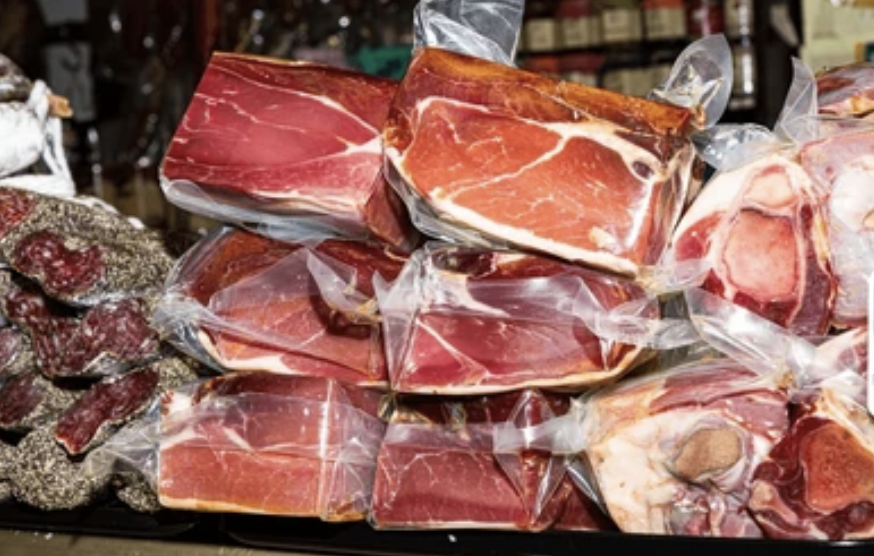
Processed meat has been in a complicated relationship with public health guidance for years. The World Health Organization classified it as a Group 1 carcinogen in 2015, placing it in the same cancer risk category as tobacco and asbestos in terms of the strength of evidence rather than the magnitude of risk. That classification generated headlines, produced several weeks of bacon-related cultural debate, and then settled into the background of dietary consciousness where most people acknowledge it vaguely and proceed to their next charcuterie board without significant modification.
New research is making the vague acknowledgment harder to maintain. A comprehensive analysis examining consumption patterns and cancer outcomes across more than 800,000 adults over a ten-year follow-up period confirmed four specific cancer associations that significantly expand the risk picture beyond the colorectal cancer connection that has dominated previous conversations. Before diving into the four findings, it is worth understanding exactly what this food category means in clinical terms, because the definition is broader than most people assume.
What processed meat actually includes
Processed meat refers to any meat transformed through salting, curing, fermentation, smoking, or the addition of chemical preservatives to enhance flavor or extend shelf life. The category includes bacon, ham, sausages, hot dogs, salami, pepperoni, beef jerky, canned meat, and deli slices of all varieties. It does not matter whether the source is pork, beef, chicken, or turkey. The processing method is the defining factor, not the animal. Many adults who believe they have reduced their intake by switching from red meat to deli turkey or chicken sausage have not meaningfully reduced their exposure to the compounds the research identifies as the primary risk drivers.
Processed meat and colorectal cancer confirmation
The colorectal cancer connection remains the most extensively studied and most strongly confirmed association in the research. Adults consuming 50 grams daily, which is roughly two slices of bacon or one hot dog, showed a 17 percent increased relative risk of colorectal cancer compared to non-consumers. The dose-response relationship is linear and consistent across geographic populations and dietary pattern contexts, meaning the risk increases proportionally with consumption and is not modified by otherwise healthy dietary patterns in the data.
The mechanism involves N-nitroso compounds formed when nitrates and nitrites used as preservatives are converted in the digestive environment, alongside haem iron content and the products of high-temperature cooking, all of which contribute to colorectal mucosal damage over time.
Processed meat and stomach cancer risk
The research confirmed a statistically significant association between consumption of cured and preserved meats and gastric cancer risk that previous studies had suggested but not established with full methodological rigor. The stomach cancer association is mediated through the same N-nitroso compound pathway affecting the gastric mucosa, and the research found the association strongest in populations with high consumption combined with low fresh vegetable intake.
Processed meat and pancreatic cancer connection
The pancreatic cancer finding represents one of the more significant expansions of this cancer conversation. Adults in the highest consumption category showed a measurably elevated risk of pancreatic cancer compared to low consumers, with the association remaining significant after controlling for smoking, alcohol use, body weight, and diabetes status. Pancreatic cancer carries one of the poorest prognosis profiles of any common cancer, making the dietary modifiable risk factor finding particularly clinically relevant.
Processed meat and breast cancer elevated risk
The breast cancer association is the finding generating the most clinical discussion, as it brings this dietary risk into a cancer conversation that has historically focused on hormonal, genetic, and lifestyle factors. The association was found with high-frequency consumption over extended periods, and researchers note that the mechanism likely involves the interaction of processing compounds with hormonal pathways. The practical guidance emerging from the research is meaningful reduction, specifically aiming for fewer than two servings per week, which the data suggests reduces risk exposure substantially relative to daily consumption patterns.
What to eat instead
Replacing these products with unprocessed protein sources including fresh poultry, fish, legumes, eggs, and unprocessed red meat consumed in moderation addresses the primary risk mechanism without eliminating meat entirely. The preservative compounds, not the meat itself, are doing most of the documented damage. Reading ingredient labels for nitrates, nitrites, and sodium content provides a practical guide to identifying the highest-risk products within the broader category.
