


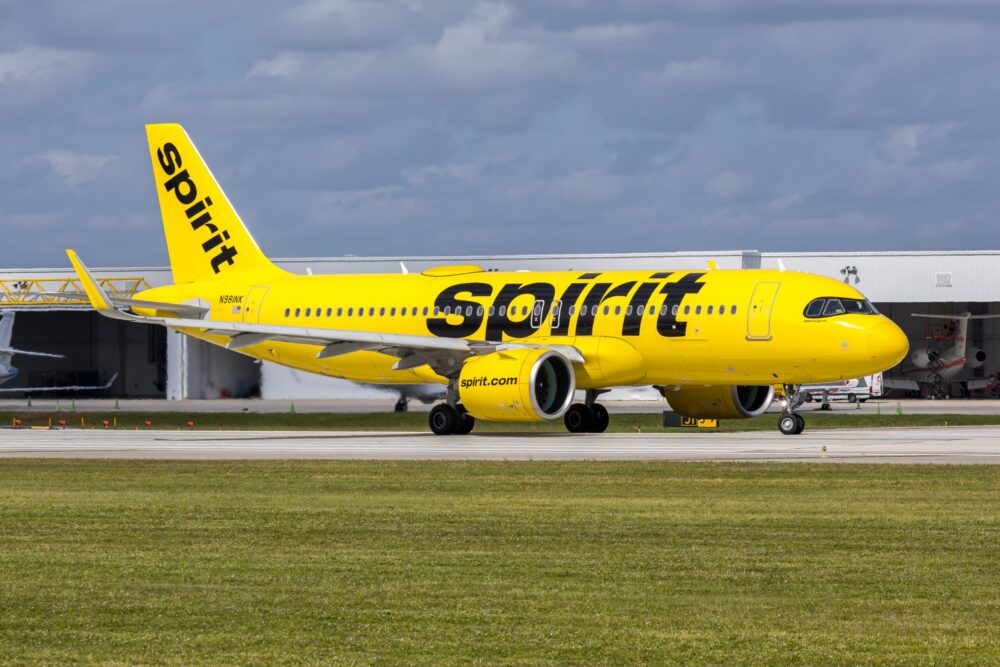
The collapse of Spirit Airlines has quickly turned into a legal and financial battle that could reshape conversations around worker protections in the airline industry.
Just days after the budget carrier abruptly shut down operations, former employees filed a proposed class action lawsuit accusing the company of violating federal labor laws by laying off thousands of workers without proper notice. The legal challenge arrives as former pilots, flight attendants and ground staff scramble to replace lost income, healthcare coverage and retirement benefits.
The lawsuit was filed in the U.S. Bankruptcy Court for the Southern District of New York by six former employees based in Florida. Together, they represent a workforce of roughly 17,000 people who suddenly found themselves unemployed after Spirit ceased operations on May 2.
Spirit employees say layoffs came without warning
According to the lawsuit, workers learned about the shutdown through a company wide email from CEO David Davis informing employees that Spirit had decided to halt operations immediately.
Former staff members argue the airline ignored requirements outlined in the federal Worker Adjustment and Retraining Notification Act, commonly known as the WARN Act. The law generally requires employers to provide at least 60 days written notice before conducting large scale layoffs or shutting down operations.
Employees claim no such warning was given.
The lawsuit seeks compensation equal to 60 days of unpaid wages, which functions as a financial penalty when employers fail to comply with federal notice rules. Attorneys representing the workers also want Spirit to cover lost benefits tied to healthcare, retirement plans, unused vacation time and accumulated sick leave.
For many former workers, the financial shock has been immediate.
Spirit workers face healthcare and financial uncertainty
The sudden closure left thousands trying to secure unemployment assistance while also searching for new jobs in a turbulent aviation market.
Former employees involved in the lawsuit say the loss of medical coverage has become one of the biggest concerns. Some workers reportedly have chronic health conditions or family members who depend on employer provided insurance, making the sudden shutdown even more destabilizing.
Unemployment payments are expected to cover only a portion of what many employees previously earned at the airline. That gap has intensified pressure on families already dealing with rising living costs and economic uncertainty.
The lawsuit could also expand in the coming weeks. Some former employees claim they still have not received final paychecks following the shutdown. Attorneys representing the workers indicated additional claims may be added if payment disputes continue unresolved.
Spirit bonus request sparks backlash
The legal battle has become even more controversial because of a separate bankruptcy court filing tied to executive compensation.
Spirit is reportedly seeking approval for $10.7 million in retention bonuses for senior executives and key personnel overseeing the company’s wind down process. That request has triggered frustration among former employees who believe available funds should prioritize worker compensation before executive payouts.
Critics argue the optics are especially damaging given the scale of the layoffs and the uncertainty many former staff members now face.
The situation reflects a broader tension often seen during corporate bankruptcies, where executives are sometimes retained with incentive packages while laid off workers fight for unpaid wages and benefits through the courts.
Spirit defends its handling of the shutdown
In WARN notices later filed with state agencies, Spirit defended its decision to delay announcing the layoffs. The company argued it had been actively pursuing emergency financing from lenders and government sources in hopes of preventing a collapse.
According to those filings, executives believed providing advance notice could have jeopardized negotiations for additional capital needed to keep the airline operating.
Spirit has not publicly responded in detail to the lawsuit itself.
The airline’s downfall marks one of the most dramatic collapses in recent aviation history. Once known for ultra low fares and aggressive expansion, Spirit struggled with mounting financial pressure, rising operational costs and increasing competition across the domestic travel market.
Spirit lawsuit could shape future labor disputes
The class action case now places a spotlight on how companies handle mass layoffs during financial emergencies.
If the former employees succeed, the lawsuit could reinforce federal protections requiring companies to provide workers with more time and transparency before sudden closures. It may also influence how future bankruptcies are managed across industries facing financial distress.
For thousands of former Spirit employees, however, the legal fight is about something more immediate than precedent.
It is about recovering lost income, restoring stability and figuring out what comes next after a shutdown that arrived without warning.
