


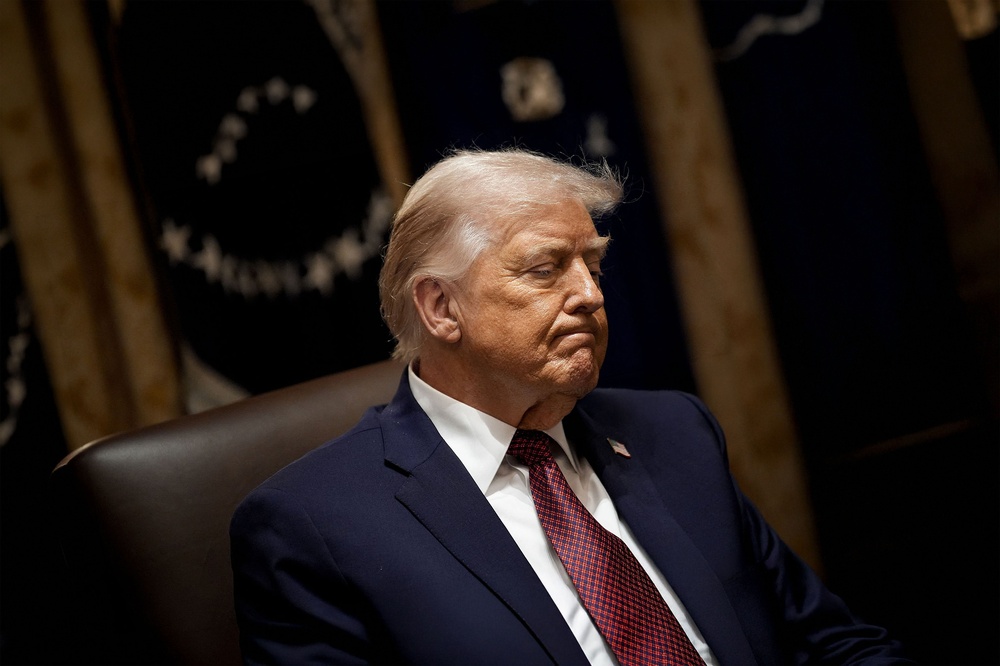
President Donald Trump received a comprehensive physical examination at Walter Reed National Military Medical Center earlier this week, and the results, released publicly by the White House on Friday, paint a picture of a president his physician describes as in excellent health across every major category assessed.
The examination covered cardiac, pulmonary, neurological, dermatological and general physical function. It was Trump’s third visit to Walter Reed in the span of 13 months, and the resulting memo was among the most detailed health disclosures the White House has released during his current term.
What the examination found
Trump’s physician declared him fully capable of carrying out all responsibilities associated with his role as commander in chief and head of state. The assessment noted strong function across the cardiovascular, respiratory and neurological systems, with the doctor also pointing to the president’s demanding daily schedule as a contributing factor to his overall condition. Multiple high-level meetings, public engagements and regular physical activity were cited as consistent features of his routine.
One of the most closely watched elements of any presidential health disclosure is cognitive assessment. Trump scored a perfect 30 out of 30 on the Montreal Cognitive Assessment, a standardized screening tool used to evaluate memory, attention and other indicators of cognitive function. The result was described as excellent.
The numbers and the notes
Trump weighed 238 pounds at the time of the examination, an increase from the 224 pounds recorded at his physical in April 2025. His physician noted mild swelling in the lower legs, attributed to a previously diagnosed condition affecting venous circulation.
Bruising observed on the president’s hands was documented in the memo and explained as consistent with minor soft tissue irritation linked to frequent handshaking, a common occurrence given his public schedule, in combination with his use of aspirin for cardiovascular health. Scarring on his right ear was also noted, described as consistent with the injury he sustained during the assassination attempt in July 2024.
Context behind the release
The timing of the memo’s release carries some significance. Questions about Trump’s health have surfaced periodically in recent months, including after he made public reference to undergoing an MRI scan last autumn. The detailed nature of Friday’s disclosure appears designed to address those questions directly and comprehensively.
Trump himself indicated awareness of the results before the official memo was released, posting on social media that he had checked out perfectly following the visit. The White House’s decision to publish the full document shortly afterward gave that claim a formal medical foundation.
A president his doctor calls fit
Presidential health disclosures are always closely scrutinized, and this one arrives at a moment when the subject has been a recurring point of public interest. The memo’s summary is unambiguous in its conclusion. Across every domain assessed, from physical performance to cognitive function to cardiovascular health, Trump’s physician found no grounds for concern about his capacity to serve.
Whether that assessment fully quiets the ongoing conversation about the health of the country’s oldest sitting president remains to be seen. But the document itself offers a detailed and unequivocal answer to the question it was designed to address.
