


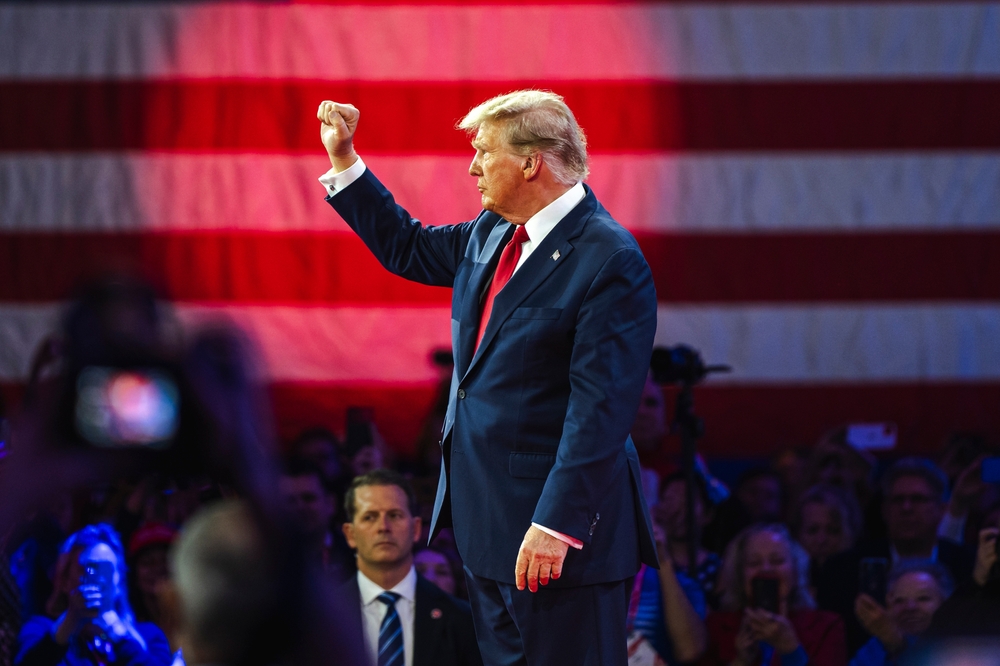
President Donald Trump is signing an executive order aimed at one of the quieter crises in American personal finance. Roughly 54 million people who work full or part time in the United States do not have access to an employer-provided retirement plan. For many of them, the absence of a workplace option has meant the absence of any retirement savings at all.
The order seeks to address that directly by creating a new federal infrastructure designed to connect workers without employer plans to private-sector retirement accounts they can enroll in on their own. The initiative is being timed to align with an existing piece of legislation that makes the policy considerably more valuable for lower-income workers.
The Saver’s Match and what it means
The executive order is built around the so-called Saver’s Match, a program created by 2022 legislation that directs the federal government to match retirement contributions from workers earning less than $35,000 a year, with a match of up to $1,000 annually. The program is set to take effect in January. The problem, according to the Economic Innovation Group, is that approximately 27 million workers who would qualify for the match do not currently have access to a retirement plan through which they could collect it.
The executive order is designed to close that gap before the match begins. Under the order, the Treasury Department will launch a new website, TrumpIRA.gov, by January. Workers will be able to use the site to search and compare private-sector retirement plans based on factors including cost, minimum contribution requirements and minimum balance thresholds, then enroll in a plan that would make them eligible to collect the federal match.
The structure was deliberately chosen to give workers access to a broader and potentially more profitable range of investment options than a government-run program would typically allow. A federal individual retirement account for private-sector workers, similar to a program that existed under a previous administration, would likely have been limited to Treasury bonds, which carry a lower rate of return. The new approach routes workers to vetted private plans instead, without the government formally partnering with specific financial institutions.
What else Trump’s order does
The executive order also directs the Treasury Department to publicize the Saver’s Match program more broadly, with the goal of making sure eligible workers actually know the benefit exists. There has reportedly been significant early interest from private-sector donors who want to contribute directly to workers’ individual retirement accounts, a concept that the administration has compared to corporate commitments made in connection with a separate children’s savings initiative launched earlier this year.
The order additionally tasks the Treasury Department and the National Economic Council with drafting legislative recommendations that could expand the retirement access concept further. Those recommendations could include automatically enrolling workers in plans and extending match eligibility to a broader income range, though expanding eligibility would require additional federal funding and would ultimately need congressional action to implement.
The initiative is not expected to override or conflict with existing state-level programs that already require employers without retirement plans to automatically enroll workers in state-run individual retirement accounts.
The policy argument behind the push
The administration has framed the retirement order alongside its Trump Accounts program, a children’s savings initiative, as part of a broader effort to build what officials describe as a generation of Americans with meaningful financial stakes in the economy. The argument is that increasing participation in retirement savings and investment accounts creates more broadly shared prosperity over time and changes the relationship ordinary workers have with long-term financial planning.
Research supports the general premise. A Congressional Budget Office analysis from 2019 found that workers contributed more to retirement accounts on average when employers matched their contributions, suggesting that financial incentives tied to participation do meaningfully increase savings behavior. The Saver’s Match is designed to replicate that effect for workers whose employers provide no such incentive on their own.
