


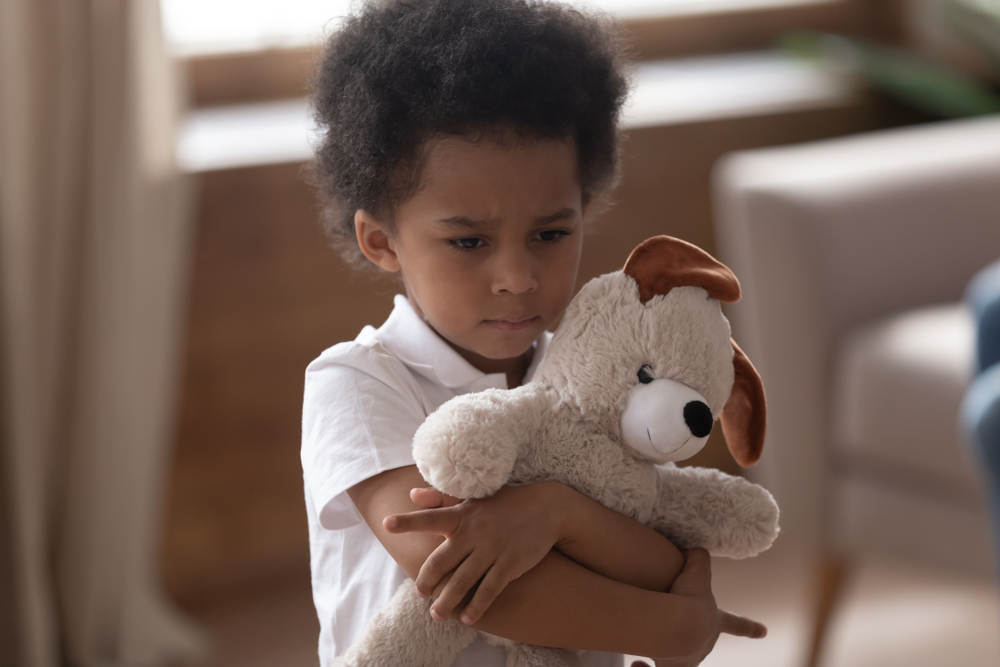
It tends to happen on a busy school morning, somewhere between packing lunch and searching for a missing jacket. One of your kids announces, with complete conviction, that they hate school. Then another one says it. Maybe all of them do, on different days, for entirely different reasons.
If that sounds familiar, it is because it is one of the most universal experiences in parenting. Children at every stage of development push back against school at some point, and the reasons shift dramatically depending on how old they are. The good news is that in most cases the feeling is temporary, and how a parent responds matters a great deal more than whether the complaint is justified.
Why kids say it in the first place
Experts across child psychology and education broadly agree that when a child says they hate school, they are rarely making a permanent declaration. More often they are communicating that something in their day felt hard, unfair, exhausting or confusing and they have not yet found the words to say exactly what that is.
By mid-year especially, the school routine has lost whatever novelty it carried in September. The stretch between winter break and spring feels long, motivation tends to dip and fatigue accumulates for students and parents alike. Even children who genuinely enjoy learning can hit a wall during this period and express it loudly.
The word hate in particular often signals stress or burnout rather than a literal aversion to education. It is worth listening for what is underneath it rather than responding to the word itself.
How to respond at each age
Preschool and kindergarten
Very young children are still learning what school even is. The noise, the transitions, the sustained attention and the separation from a parent are all genuinely hard for a small nervous system that is still developing the tools to manage them. When a preschooler says they hate school, they are most often reaching for connection or reassurance rather than making a complaint.
Consistency helps enormously at this age. A morning routine with predictable elements, including a shared breakfast or a small ritual before the drop-off, gives young children something stable to hold onto. Collaborating with their teacher at pickup or drop-off to smooth the transition can also make a significant difference.
Elementary school
By the time children reach elementary school, the reasons for disliking school grow more specific. Academic frustration becomes a real factor as the work increases in complexity. Social dynamics shift as kids begin forming friend groups more intentionally, and feeling left out or unsure of where they fit is genuinely painful at this age.
Giving children more agency in small decisions around the school day, such as what to pack for lunch or how to organize their homework time, helps them feel less at the mercy of a routine they had no say in creating. Asking open-ended questions about the day rather than questions that invite a one-word answer keeps communication flowing and gives parents a clearer window into what is actually going on.
Middle school
Middle school is where the complexity compounds. Academic pressure increases, social dynamics become more charged, extracurricular commitments multiply and the first stirrings of romantic interest add another layer of distraction and vulnerability. Sleep also becomes a significant issue as early school start times collide with the natural shift in adolescent sleep cycles.
At this age children respond less to being told what to do and more to feeling understood. Helping a middle schooler draw a line between what they are learning and something they actually care about outside of school can go a long way toward restoring a sense of relevance and purpose. They do not need to love every subject. They need to see that effort in any direction builds something useful.
High school
Teenagers are often carrying the heaviest load of any student. The pressure to perform academically, define a future, maintain friendships and manage their own emotional lives all at once is genuinely significant. When high schoolers say they hate school, they are sometimes just exhausted. They have been doing this for more than a decade and they can see the end of compulsory education ahead of them.
What helps most at this stage is staying present without taking over. Teens need to feel capable of handling their own lives, and a parent who steps in too quickly communicates the opposite of that. Listening, asking what kind of support they want and resisting the urge to problem-solve on their behalf unless they ask are all more useful than any specific advice.
When it is more than a bad day
Most complaints about school are exactly what they sound like, a child processing a hard stretch and needing to be heard. But there are times when the phrase signals something that needs closer attention.
Physical symptoms that appear specifically on school days, including recurring stomachaches or headaches, are worth noting. Persistent mood changes, increased anxiety, withdrawal from activities they used to enjoy and significant sleep disruption can all indicate that a child is dealing with something beyond ordinary frustration. If the dread around school is escalating rather than cycling through naturally, that is a sign to look deeper.
Bullying, failing grades and mental health struggles all warrant direct involvement regardless of the child’s age. Documenting what is happening and reaching out to the school is a reasonable first step. Teachers and parents often see different parts of the same picture, and sharing information creates a clearer path to real support.
What parents can let go of
The goal, experts agree, is not for children to love school every day. That is not a realistic standard for any experience that consumes as much time and energy as school does. Even adults do not love their work every day, and saying so, in age-appropriate terms, is one of the most useful things a parent can model.
What children need is to know that their hard feelings are safe to bring home, that they will be heard without being dismissed and that they have more capacity to handle difficulty than they realize. That combination of validation and confidence, offered consistently over time, is what actually builds the resilience that carries children through the parts of school and life that are genuinely hard.
