


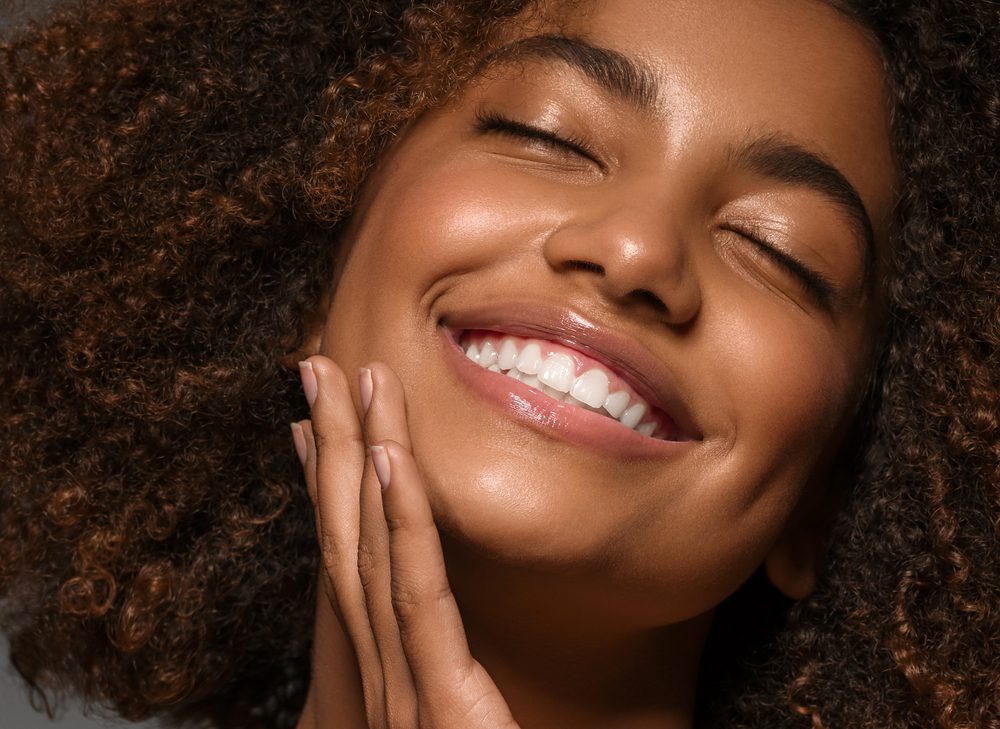
Period dramas are beloved for their sweeping costumes and immaculate sets. But historians and critics have increasingly flagged one glaring anachronism that breaks the spell almost immediately: the actors’ blindingly perfect, porcelain-white smiles. Pre-modern dentistry simply could not produce that. For most of human history, teeth decay was painful, visible, and largely unavoidable.
Today the situation has dramatically improved, but a new obsession has taken hold. Americans are projected to spend more than eight billion dollars on teeth whitening products and procedures in 2026 alone. The cultural pressure to present a flawless, luminous smile has never been more intense. And yet dentists are increasingly clear on one point: white teeth are not the same thing as healthy teeth.
Not everyone starts with the same shade
Natural tooth color varies far more than most people realize, and genetics play a significant role in that variation. What a mother is exposed to during pregnancy, including certain medications, can influence the shade of a child’s teeth from the very start. Some people simply have a warmer or slightly grayer natural baseline, and that has nothing to do with cleanliness or care.
Lifestyle and habits, however, account for much of the variation people develop over time. Plaque, the soft bacterial film that forms on teeth, can harden into tartar when it is not regularly removed through brushing and flossing. Tartar is porous and readily absorbs stains from coffee, wine, tobacco, and food. Beyond the discoloration, it creates an environment where harmful bacteria can thrive and gum disease and tooth decay become more likely. That is why regular dental cleanings matter well beyond aesthetics.
Stained teeth are not automatically unhealthy
Here is where the conventional wisdom starts to fall apart. Anything capable of staining a white cotton shirt can stain teeth. Red wine, coffee, turmeric, and berries are all common culprits. Those stains can make teeth look dull or discolored, but they do not necessarily signal anything wrong beneath the surface.
What is more, a perfectly white and straight smile can quietly conceal real problems. Most cavities begin between the teeth, in spaces that are invisible from the front. A cavity in that location would not visibly discolor a tooth until it had grown quite large. Someone with a gleaming smile could be walking around with significant decay that a visual check alone would never catch.
Some of the methods people use most aggressively to achieve whiter teeth can also actively damage them. Brushing too hard strips enamel over time. Abrasive toothpastes, particularly charcoal-based formulas that have become popular on social media, can wear away the protective outer layer of the tooth in ways that are difficult or impossible to reverse.
White teeth and the hidden cost of veneers
Veneers represent perhaps the most dramatic pursuit of the perfect smile, and their popularity has surged alongside the rise of cosmetic dentistry content online. The results can look transformative in photos. But what many people do not fully understand before committing is how invasive the process actually is.
Getting veneers requires permanently removing a portion of the natural tooth structure, often healthy structure, so that the porcelain shell can be bonded in place. That removal cannot be undone. And once veneers are in place, they require maintenance and eventual replacement for the rest of the patient’s life. It is a significant and permanent commitment dressed up in a very appealing package.
What whitening actually does and when to pursue it
For mild to moderate surface staining, a routine professional cleaning is often enough to restore brightness without any additional whitening treatment. For people who want to go further, most dentists recommend addressing underlying health concerns before moving toward cosmetic procedures.
Active untreated cavities, compromised enamel, or existing pain are all reasons to hold off on whitening until the foundation is stable. The ability to eat, speak, and function without discomfort takes clear priority over aesthetics in any responsible dental care plan.
White teeth and what social media changed
The cultural fixation on a bright Hollywood smile is not new. It has been building for decades through film, television, and advertising. But social media introduced something different: constant, daily comparison combined with filters that make altered images feel like realistic standards. The gap between an average natural smile and the curated version presented online has never felt wider, even though the curated version is often not real at all.
Dentists are not dismissing the desire for a nicer smile. But the broader point is worth sitting with. Natural teeth vary in shade, shape, and spacing from person to person. That variation is not a flaw. It is simply human, and a little imperfection has never stopped a smile from being genuinely beautiful.
