


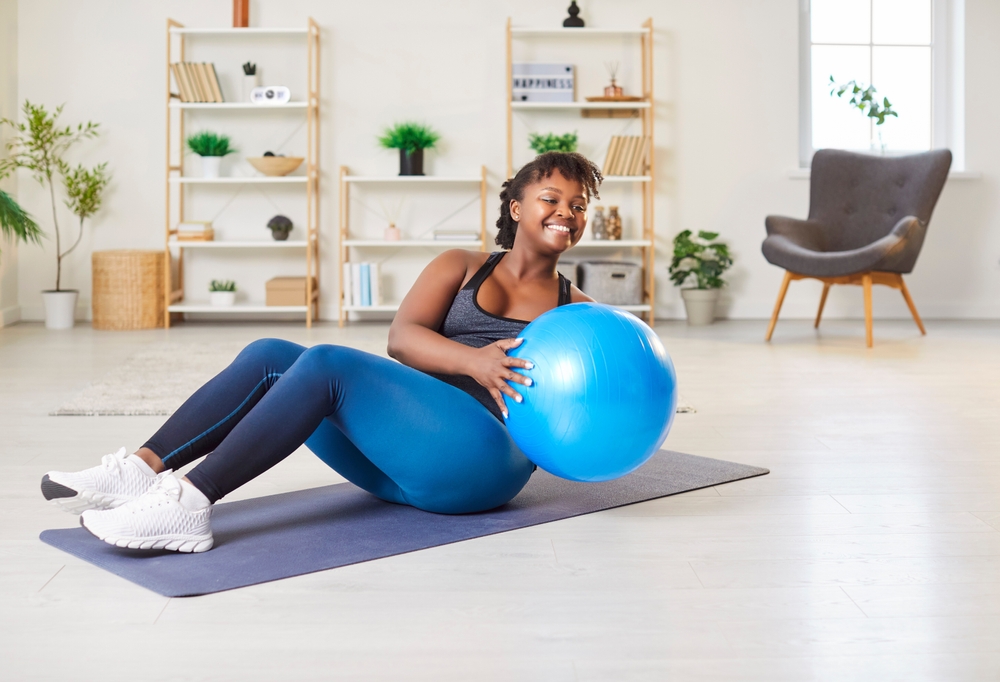
The time excuse just expired. Fifteen-minute workouts are genuinely effective, backed by solid research showing that even short bursts of resistance training correlate to lower mortality rates, reduced risk of heart disease and cancer, and measurable strength gains. The most significant health improvements occur at around one hour of weekly resistance training total and yes, you can absolutely hit that threshold with four 15-minute sessions spread throughout the week.
That’s the mathematical reality changing the fitness conversation. You don’t need to live in the gym. You don’t need hour-long sessions. You don’t need expensive equipment or complicated routines. What you need is focus, consistency, and exercises that deliver maximum impact in minimum time. The catch? You actually have to do the work rather than coast through easy reps.
“Fifteen minutes is enough to meaningfully move the needle if you choose the right patterns,” says Devin Trachman, clinic director and physical therapist at Physical Therapy Central. “In a short session, I’m always thinking in movement patterns, not random exercises, so you get the biggest return on investment for strength, mobility, posture and long-term joint health.”
That’s the key insight separating effective 15-minute workouts from wasted time. It’s not about doing random exercises or trying to squeeze in as many movements as possible. It’s about deliberately selecting exercises that work multiple muscle groups simultaneously, creating maximum stimulus in minimum time.
Why Short Workouts Work Better Than You Think
The efficiency argument is compelling. Full-body compound movements exercises that engage multiple joints and muscle groups at once deliver far more bang for your buck than isolation work targeting single muscles. When you do a squat, you’re strengthening your quads, glutes, core, and stabilizer muscles in one movement. When you do a row, you’re working your upper back, biceps, and core simultaneously.
Compare that to isolation exercises like bicep curls or leg extensions, which work primarily one muscle group. In a 15-minute session, you simply don’t have time for inefficiency. Every exercise needs to count. “With clients who only have 15 minutes, we focus on big compound moves because they work multiple muscles at once and are incredibly efficient for building strength and burning calories,” explains Cori Lefkowith, trainer and founder of Redefining Strength.
The circuit approach amplifies that efficiency. By organizing exercises so one muscle group recovers while another works, you can maintain intensity throughout your entire session. Your legs rest while you’re rowing. Your upper back recovers while you’re squatting. No wasted time between exercises, no long recovery periods just continuous, purposeful work.
The Four Patterns That Change Everything
The most effective short workouts are built around four foundational movement patterns: hinge, squat, push, and pull. These patterns cover virtually every major muscle group and movement your body performs in daily life. A hinge pattern (like Romanian deadlifts) targets your glutes and hamstrings. A squat strengthens your legs and core. A push movement works your chest, shoulders, and triceps. A pull targets your upper back and biceps.
Structuring a 15-minute session around these four patterns ensures comprehensive full-body development without redundancy. You’re not missing anything important, and you’re not wasting time on movement patterns you don’t need.
The Real Secret: Consistency Over Intensity
Here’s what separates people who see results from 15-minute workouts versus those who don’t: consistency. Four 15-minute sessions per week, done consistently week after week, beats occasional longer sessions every time. Your body adapts to training stimulus over weeks and months, not individual workouts.
The second factor is genuine effort. You need to choose weights that feel challenging in your final reps around a 7 or 8 on a difficulty scale of 1 to 10. If you finish a set thinking you could easily do 10 more reps, you went too light. Quality reps matter more than speed. Moving with control and proper form beats rushing through sloppy repetitions trying to hit a number.
The beauty of 15-minute workouts is they’re sustainable. They fit into busy lives. They don’t require extensive equipment or fancy gym memberships. They work for beginners, intermediate lifters, and advanced athletes you just adjust weights and volume accordingly.
The research is clear: you don’t need much time to see serious results. What you need is the right exercises, proper intensity, and the consistency to show up four times per week. Fifteen minutes is enough. The question is whether you’ll actually do it.
