


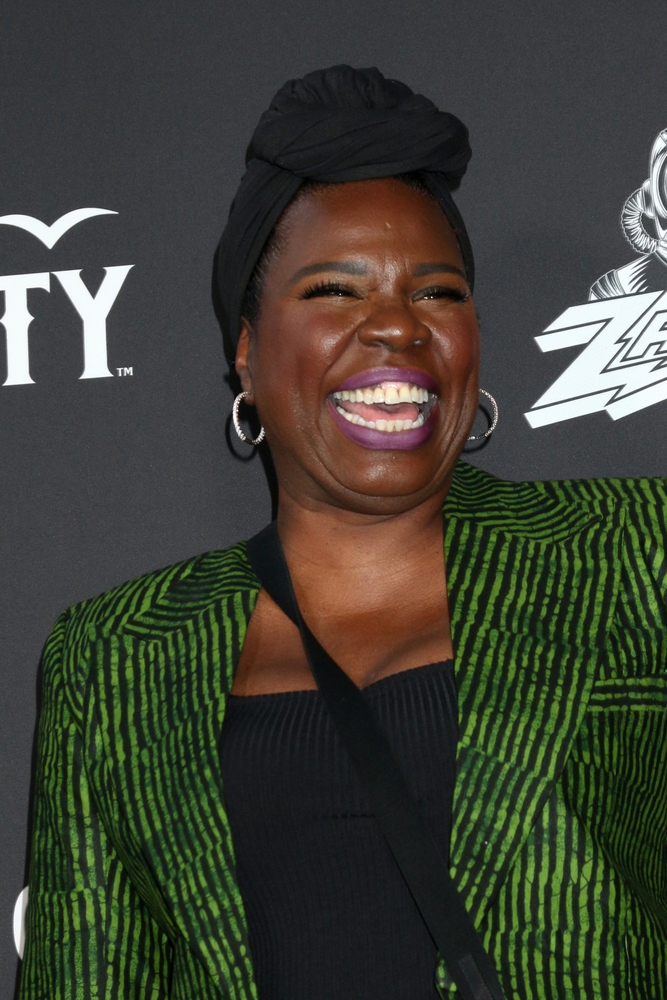
When Ziwe asked Leslie Jones whether she could ever see herself as a tradwife, the answer came fast.
Jones, appearing on Ziwe’s podcast on March 31 to promote her standup special Leslie Jones: Life Part 2, did not pause to consider the question. Her father, she explained, raised her with an explicit message: she was not put on this earth to define herself through a relationship or a domestic role. That lesson stuck.
The interview, which covered her rise in comedy, her dating life, and her views on relationships, took its sharpest turn when the conversation reached marriage. Jones did not treat it as a light topic.
What a tradwife actually is
The tradwife trend has been building across TikTok and Instagram since roughly 2020. Merriam-Webster defines a tradwife as a married woman who embraces traditional gender roles, typically centered on being a stay-at-home wife and mother. Influencers like Nara Smith and Hannah Neelemen have built substantial platforms around the lifestyle, presenting themselves as homemakers who cook from scratch, raise children at home, and operate within a household where the husband serves as the sole provider.
Among Gen Z women in particular, the trend has found a real audience. For Jones, it found a hard limit.
Marriage as an institution, not a fairy tale
Jones went beyond rejecting the tradwife label. She told Ziwe that most of the married people she knows have ended up divorced, and framed marriage itself as a structure that historically has not served women’s independence. Her comparison to slavery, extended further when Ziwe pressed her to explain, drew a direct line between the expectations placed on tradwives and the loss of personal autonomy.
Her conclusion was blunt. She does not believe marriage benefits women and offered a single-sentence summary of her position to anyone still on the fence.
Later in the conversation, Jones described what she actually wants in a partner: someone who creates enough space for her to be vulnerable while accepting who she is without conditions. The contrast between that and a tradwife arrangement, in her telling, could not be wider.
Not the first time she has gone here
Jones has a documented history of using sharp, sometimes uncomfortable humor to address race, gender, and relationships. In 2014, she drew significant attention for a stand-up bit that used the premise of slavery to comment on her dating life, framing the era as one where her physical attributes would have made her more desirable to potential partners. The bit was deliberately provocative, designed to surface the absurdity of how Black women’s bodies have been valued and devalued across different periods of American history.
Her tradwife commentary follows a similar pattern. The humor is the entry point. The critique underneath it is about power, expectations, and who the institution of marriage was designed to benefit.
What the moment reflects
Jones is not operating in a vacuum. The tradwife conversation is happening across platforms where women are actively debating what modern femininity should look like, whether embracing domestic roles is a free choice or a step backward, and whether opting out of the workforce is liberation or capitulation. Jones planted herself firmly on one side of that debate.
Her standup special Leslie Jones: Life Part 2 is currently available for streaming.
