


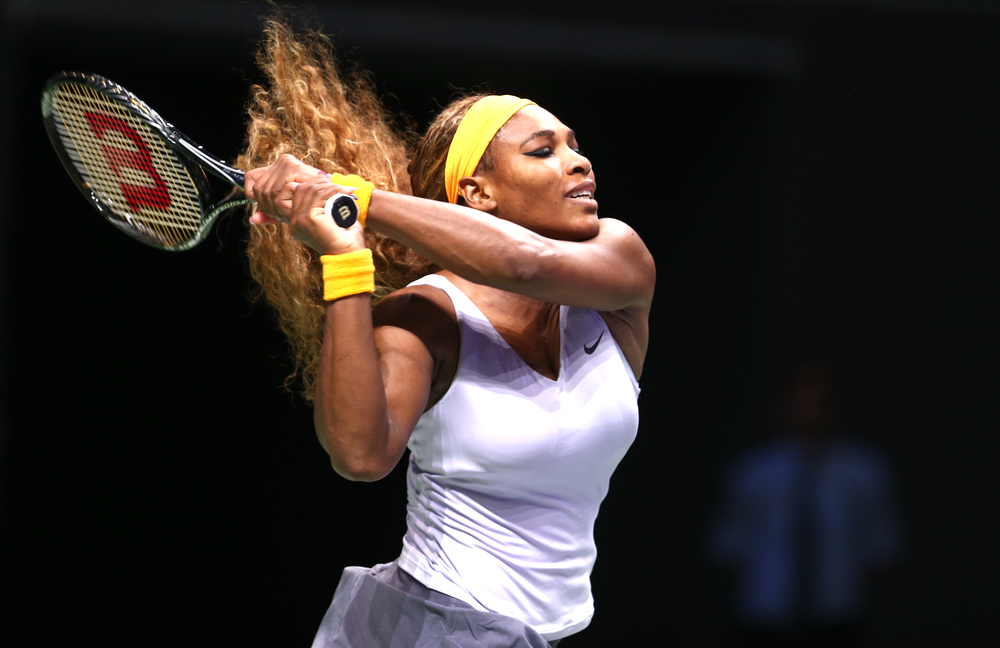
Anticipation has reached a fever pitch at Wimbledon ahead of Serena Williams’ first singles match in nearly four years, with the 44-year-old scheduled to face 20-year-old Maya Joint of Australia on Tuesday on the same patch of grass where Williams won seven of her 23 Grand Slam singles titles.
The All England Club’s chief executive captured the mood among tournament organizers Monday, describing a shared sense of excitement about seeing Williams return to Centre Court. Tournament officials had taken the unusual step of holding open the final wild-card spot in the women’s singles draw specifically for Williams, waiting until almost the last possible moment before the qualifying period began for her to accept the invitation.
A wild card held open in anticipation
Organizers described a period of quiet anticipation as they waited to learn whether Williams would commit to the singles draw. The chief executive acknowledged that the club had been hopeful throughout the process, describing Williams as one of the sport’s most significant icons and one of Wimbledon’s most special champions. The framing reflected genuine institutional excitement rather than simple logistical accommodation, with officials suggesting that Tuesday’s match would be among the most sought-after tickets of the entire tournament.
The demand for access to the grounds more broadly has reflected that anticipation. The line of spectators waiting overnight for daily ticket allocations had reached 10,000 people by Monday morning, a volume substantial enough that organizers advised people who had not yet begun traveling to reconsider, given that the queue had effectively reached capacity. Whether the surge in attendance was directly tied to interest in Williams’ return or reflected broader tournament demand, officials noted the unusually high volume compared to the previous year.
A legacy a decade in the making
Williams last won Wimbledon a decade ago, and in the years since, eight different women have claimed the title, a turnover that reflects both the natural cycle of competitive sport and the unique and prolonged period of dominance Williams maintained during her prime years at the tournament. Her return, even at 44 and after a nearly four-year absence from singles competition, carries symbolic weight for a tournament still closely associated with her legacy.
Spectators gathering at the grounds expressed a mixture of nostalgia and genuine excitement about what her presence might mean for the sport. Fans described her potential to reinvigorate enthusiasm around women’s tennis and praised her continued appetite for competing at the highest level despite her age, framing her return as evidence that the conventional boundaries associated with athletic longevity do not necessarily apply to her.
Other fans, including longtime followers of the sport now well into middle age themselves, described Williams in terms typically reserved for legends, expressing hope that even a fraction of her peak ability would be enough to deliver a meaningful moment for the tournament and the wider tennis community.
What comes next
Beyond Tuesday’s singles match, Williams will also compete in doubles alongside her sister Venus later in the week, giving fans multiple opportunities to see her on court during the tournament’s opening days. The outcome of the Joint match remains genuinely uncertain given the layoff Williams has experienced, but the result itself may matter less to many observers than the simple fact of her presence back on the grass where her career reached some of its most defining moments.
Wimbledon’s Centre Court has hosted countless historic occasions over its long history. Tuesday adds one more chapter to that history, regardless of how the match unfolds.
