


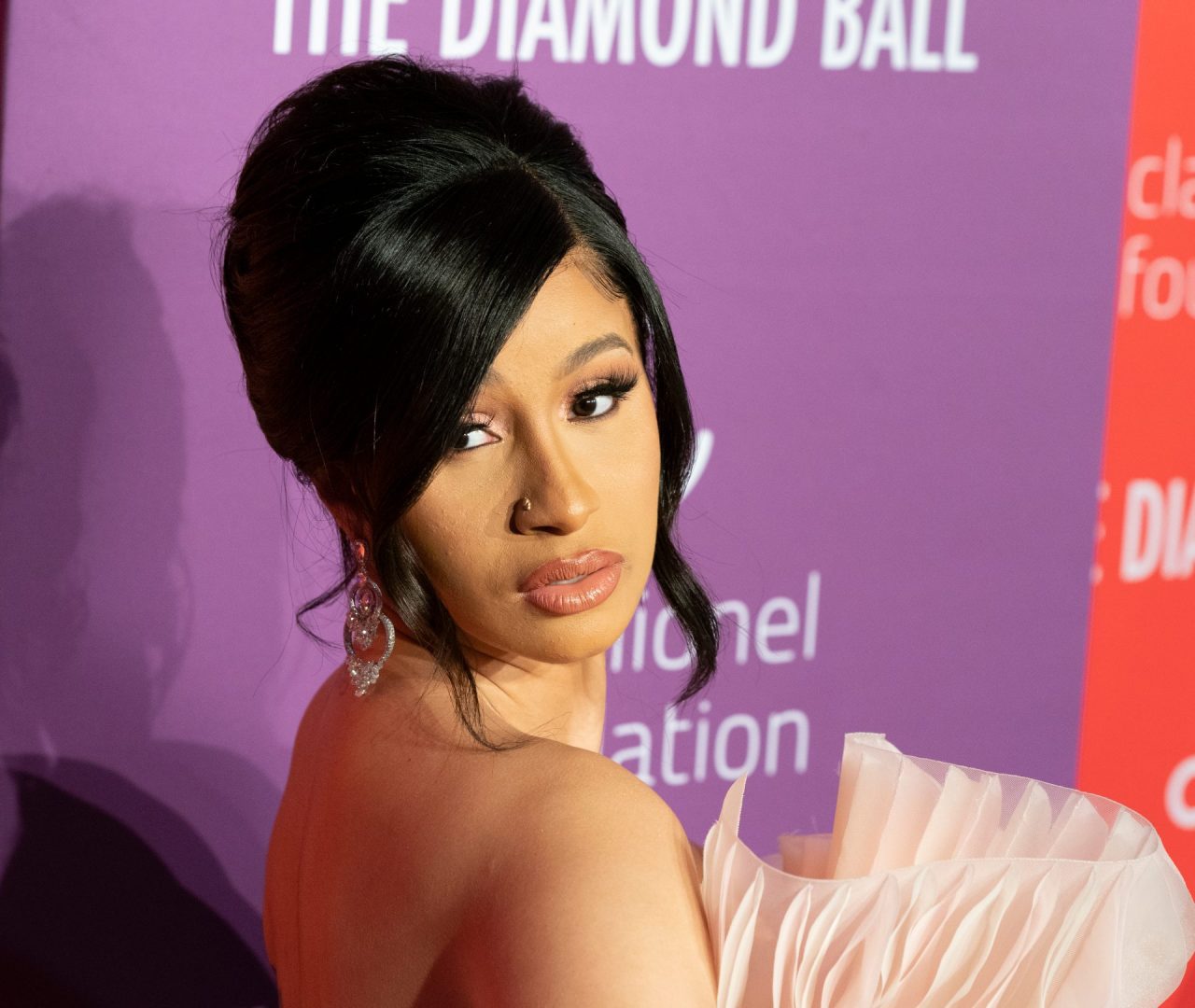
Cardi B appeared during Bad Bunny’s Super Bowl halftime show, dancing on a starry front porch alongside other celebrities. But what she actually did—whether she performed, sang, or simply danced—became so ambiguous that it literally broke two major prediction markets and triggered a regulatory complaint seeking thousands in damages. The confusion reveals how fragile prediction markets are when reality doesn’t match the yes-or-no binary they depend on.
The prediction market setup
Prediction markets let traders essentially bet on whether future events will happen. Participants buy contracts predicting yes or no outcomes, with prices reflecting what traders believe the probability actually is. A contract trading at $0.74 means traders think there’s a 74% chance of the yes outcome occurring. These markets supposedly provide real-time probability assessments based on collective trader wisdom.
The Super Bowl generated enormous prediction market activity. Over $47.3 million flowed through Kalshi’s “Who will perform at the Big Game?” contract alone. Polymarket’s similar contract saw over $10 million in volume. These weren’t trivial markets—they represented serious money and serious trader interest in predicting exactly who would perform during the halftime spectacle.
The Cardi B ambiguity problem
Bad Bunny’s halftime show featured multiple celebrities on a starry front porch set. Cardi B appeared alongside Karol G, Young Miko, Jessica Alba, and Pedro Pascal. She danced to the music. But whether she was singing remains genuinely unclear from available footage. This seemingly minor distinction—did she perform or just appear?—became the crux of an unresolvable dispute.
Kalshi faced an impossible choice: traders had wagered massive amounts betting on whether Cardi B would perform. The contract language required “performance,” not merely appearance. Cardi B clearly appeared. But did she perform? The halftime show included actual performances from Ricky Martin and Lady Gaga. Cardi B’s role was ambiguous by comparison.
How Kalshi resolved the disaster
Kalshi decided to refund all money and settle the contract at the last price before trading paused. Yes holders received $0.26 per contract. No holders received $0.74 per contract. Rather than declaring a winner, the platform essentially said: “We don’t know what happened, so here’s your money back.” This was technically fair but deeply unsatisfying for traders who had specific positions and believed they should have won.
At least one Kalshi trader wasn’t satisfied. That trader filed a complaint with the Commodity Futures Trading Commission alleging that Kalshi violated the Commodity Exchange Act through how it resolved the market. The complaint seeks $3,700 in damages. A CFTC spokesman declined to comment on the complaint.
Polymarket’s different approach
Polymarket took the opposite approach. The platform resolved the contract as yes, determining that Cardi B had performed. But this resolution immediately drew complaints from users who disagreed with the interpretation. A final decision on the contract is expected Wednesday, suggesting the dispute is ongoing and unresolved.
The contrast between Kalshi’s refund approach and Polymarket’s yes resolution reveals the fundamental problem: prediction markets depend on clear, objective event definitions. When reality becomes ambiguous—did she perform or not?—the entire system breaks down because different reasonable people interpret the same events differently.
What this means for prediction markets
The Super Bowl was supposed to be a triumph for prediction markets. Kalshi reported daily trading volume exceeding $1 billion on game day, a 2,700% increase from the previous year’s Super Bowl. Full season Super Bowl futures volume hit $828.6 million, up over 2,000% year-over-year. The growth seemed unstoppable.
But the Cardi B dispute exposed a critical vulnerability. As prediction markets scale and attract more trading volume, the stakes of ambiguous event definitions increase dramatically. When $47 million is wagered on whether something happened, having unclear contract language creates catastrophic problems.
Kalshi experienced infrastructure issues from the traffic surge. The co-founder acknowledged the “traffic spike was way bigger than our most optimistic forecasts,” requiring platform reimbursements and customer credits. The Cardi B resolution problem paled in comparison to the operational chaos of handling record volume.
The future of prediction markets
Robinhood Markets highlighted prediction market momentum when announcing fourth-quarter and full-year 2025 results. The CEO predicted prediction markets could eventually drive trillions in annual volume. Major events like the Olympics and World Cup coming this year could further accelerate growth.
But the Cardi B situation suggests that growth might outpace the market’s ability to handle edge cases and ambiguities. If prediction markets are genuinely entering a “super cycle,” platforms need ironclad event definitions preventing the kinds of disputes that just erupted. Otherwise, regulatory scrutiny will only intensify as traders lose money over unresolvable ambiguities.
The prediction market industry essentially bet that yes-or-no binary outcomes could capture complex reality. Cardi B’s Super Bowl appearance proves that sometimes reality defies binary classification, and when millions of dollars hang in the balance, that’s a very expensive problem to discover.
