


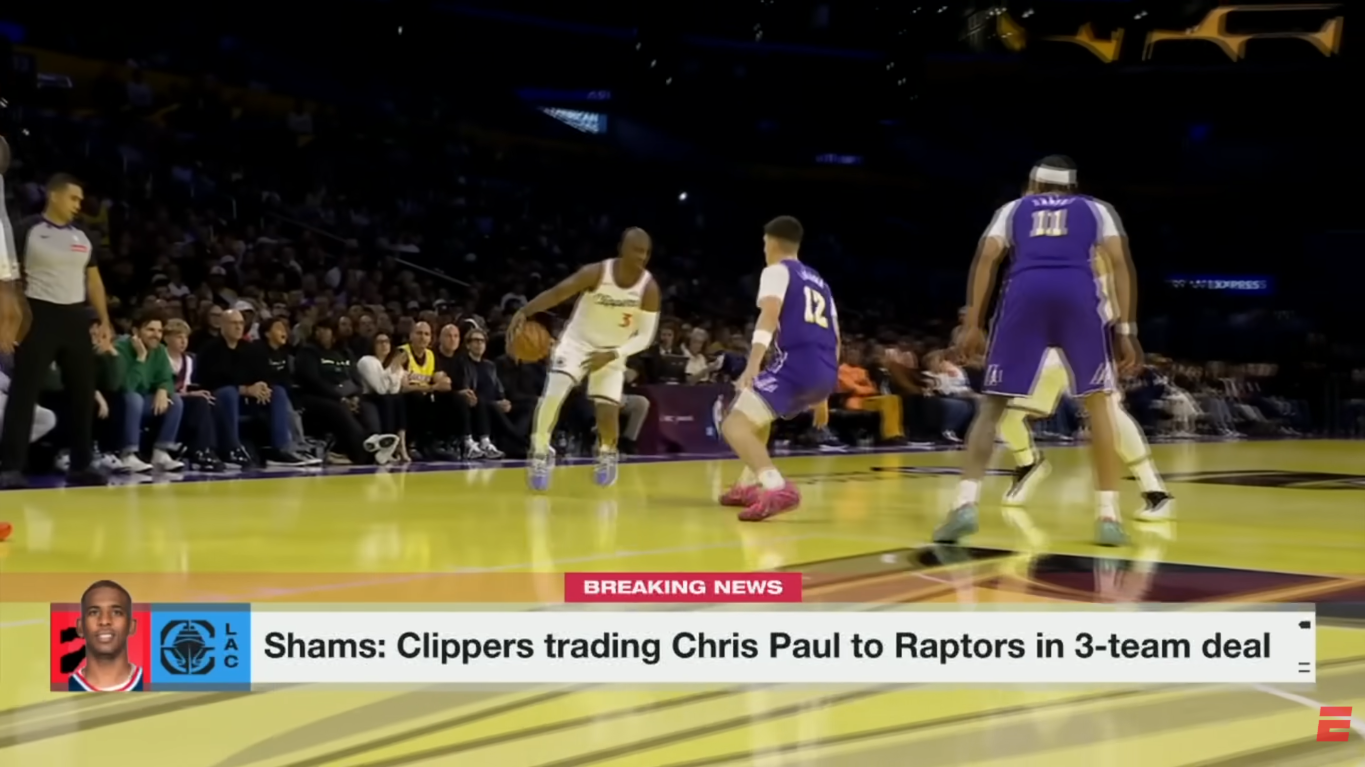
Chris Paul is done. The 40-year-old announced his retirement from the NBA on Friday via Instagram with a simple message: “This is it! After 21 years I’m stepping away from basketball.” That’s one of the greatest point guard careers in NBA history concluding not with a championship parade or a tearful farewell tour, but with a social media post and a waiver by the Toronto Raptors. Paul had previously indicated he would retire at the end of this season, his 21st in the league, so this wasn’t entirely unexpected. But the circumstances surrounding the end the messy Clippers divorce, the subsequent trade to Toronto, the immediate release tell a story about how even legendary careers can end awkwardly in the modern NBA.
Paul’s resume is absolutely stacked with individual accomplishments
He’s a 12-time All-Star, an 11-time All-NBA selection, a nine-time All-Defensive team member, the 2006 Rookie of the Year, and a member of the NBA’s 75th Anniversary Team. Those aren’t just accolades they’re proof of sustained excellence across two decades. He won MVP-caliber awards, made All-Star games consistently, and was recognized as one of the best defensive point guards in NBA history. By any objective measure, Chris Paul belongs in any conversation about the greatest point guards who ever played the game.
But the way his career ended is complicated by what happened in Los Angeles
Paul and the Clippers “abruptly agreed to part ways” in early December after reportedly not being on speaking terms with coach Ty Lue for several weeks. That’s not the way you want a Hall of Famer’s career to conclude in conflict with the organization and coach who were supposed to build a championship around him. The Clippers traded him to Toronto on February 4, and the Raptors waived him on Friday without even requiring him to report to the team. That’s a brutal way to be sent out, even for a player who had already decided this would be his final season.
Paul’s final season numbers tell you everything about how it went
In just 16 games for the Clippers, he averaged 2.9 points and 3.3 assists. Those aren’t the numbers of a 12-time All-Star at the end of his career. Those are the numbers of a player clearly not getting the playing time or role he expected. Whether that was due to age, diminishing performance, or organizational decisions about direction, the result was the same: Paul ended his career as a marginal rotation piece rather than a meaningful contributor.
What’s notable is how Paul handled the Clippers separation
After the messy parting, he told People.com he was “at peace” with everything and looking forward to what was next. That’s either genuine acceptance or professional diplomacy, but either way it speaks to how Paul approached the end of his career. He could have been bitter about being pushed out. Instead, he seemed to understand that sometimes circumstances just don’t work out the way you planned.
The reality is that Chris Paul’s legacy is already cemented, regardless of how the final season played out. You don’t erase 21 years of excellence because the last few months were awkward. He changed what NBA point guards could be a defensive stalwart who could also run an offense. He made All-Star games regularly, won defensive honors, and was consistently one of the best players at his position. His place in basketball history was locked in years ago.
The end of Paul’s career is a reminder that even the greatest players can’t always control how their stories conclude.
He didn’t get the farewell tour or the championship or the graceful exit that his accomplishments deserved. He got waived by a team that didn’t even make him report. But none of that changes what he accomplished over 21 years. Chris Paul is a Hall of Famer, a point guard who redefined the position, and now he’s heading into retirement with his legacy secure, even if the final chapter was messy.
