


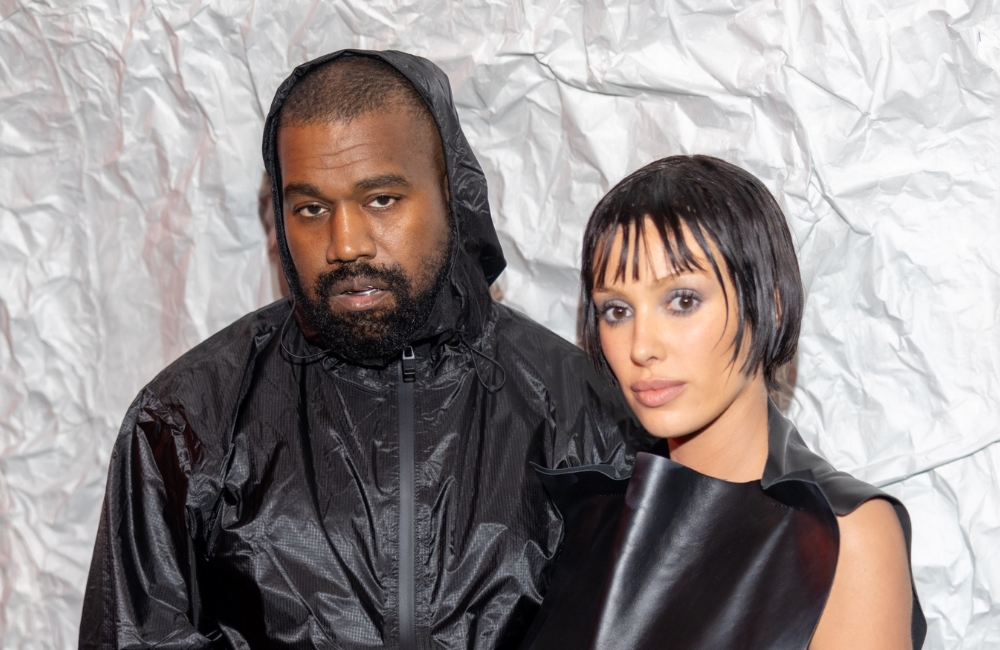
Bianca Censori has stepped into one of the most persistent conversations surrounding her marriage to Kanye West, speaking publicly about whether her famously revealing style reflects her own choices or his influence. In an interview with Vanity Fair, she pushed back firmly against the narrative that she is being controlled, describing her fashion as the product of a shared creative process rather than a directive from her husband.
The response from the public has been far from settled. Online reactions following the interview revealed significant skepticism, with many observers finding her explanation incomplete or unconvincing given the broader context of her marriage and West’s well-documented history of shaping the public images of women in his life.
What she said and how it landed
Censori described her approach to dressing as something she and West work on together, comparing the dynamic to being in a relationship with someone who has deep opinions about aesthetics and design. For her, receiving creative input from a fashion-minded partner is a natural extension of their shared world rather than a form of control. She drew a parallel to the kind of collaborative relationship a person might have with a legendary designer, framing the exchange as one between two creatives rather than one person directing another.
That comparison drew considerable attention on its own. Critics noted that the analogy did not account for the fundamental difference between a professional creative relationship and a marital one in which power dynamics and personal history inevitably complicate the picture. The framing struck many as overly tidy for a situation that the public has been watching with concern for some time.
The emotional weight she described
Beyond the fashion conversation, Censori addressed the personal toll of standing by West during some of the most turbulent periods of his public life. She acknowledged that there were moments when she questioned whether she could continue, and described her decision to remain in the relationship as a deliberate and empathetic choice rather than something she felt she had no option but to make.
She noted that during particularly difficult stretches her focus was on her husband’s mental health and their relationship rather than on how the outside world was perceiving her. The candor was notable, though it also invited the kind of scrutiny that tends to follow any high-profile statement made within the gravitational pull of Kanye West’s public persona.
Why skepticism persists
The debate following the interview reflects something deeper than disagreement about one woman’s wardrobe. West has a long and well-documented history of exercising influence over the aesthetics and public presentation of the women closest to him, and that history shapes how many people receive Censori’s account regardless of what she says directly.
Observers on both sides of the conversation have made their positions clear. Those who take her at her word argue that assuming she lacks agency can be just as reductive as assuming she has none. Those who remain cautious point to patterns that feel familiar and question whether the vocabulary of creative collaboration is doing more work than it should in this particular context.
The comparison her detractors keep returning to involves similarities between her current style and aesthetics previously associated with West’s former partner. Whether that parallel is meaningful or simply a reflection of one designer’s consistent visual sensibility is itself a matter of interpretation.
Where things stand now
Censori has spoken. The public has responded. And the conversation shows no signs of reaching a clean resolution. As long as West remains one of the most polarizing figures in popular culture, the choices of the people closest to him will continue to be read through that lens whether they invite the scrutiny or not. For now she has offered her perspective, and it has done what these kinds of statements almost always do in the social media era. It answered one question and opened several more.
