


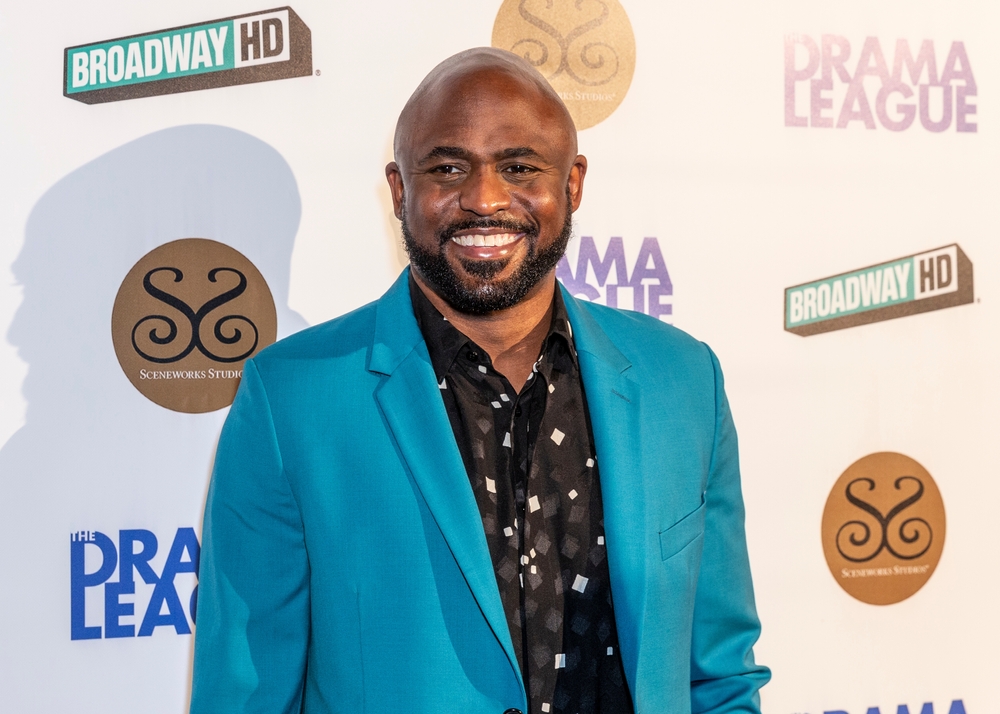
Wayne Brady is not letting his long-running conflict with Bill Maher fade quietly into the background. During a recent appearance on a podcast hosted by Sarah Jones, Brady addressed the tension between himself and the talk show host with unusual directness, making clear that the years between them have done nothing to change his view of Maher or the comments that first set things off.
He took particular issue with the idea that Maher’s relationships with Black people in his personal life should serve as a defense against criticism of his public statements. He dismissed that argument outright, drawing a firm line between knowing someone personally and being accountable for what is said on a widely watched platform. He also noted that Dave Chappelle had recently voiced similar concerns about Maher, a development he described as validating something he had been raising for years.
What Brady actually thinks of Maher
He was careful to separate his criticism of Maher’s words from personal animosity. He made clear that he does not carry hatred toward Maher as an individual, acknowledging that the two do not have a deep personal relationship. What he does object to, he explained, is the harm he believes Maher’s expressed views cause to others, particularly given the size and influence of his audience. For Brady, the platform makes the words more consequential, not less.
He also addressed Maher’s comedy itself, suggesting that what once made Maher appealing has curdled into something mean-spirited and reductive. He argued that the current tone of Maher’s humor actively encourages the kind of dismissive thinking that does real damage, a shift he views as a genuine loss given how much he once respected the comedian’s work.
Where the feud began
The conflict between the two has roots stretching back to 2010, when Maher made comments during a television interview comparing former President Barack Obama to the comedian in a way that framed him as the less culturally credible of the two figures. The remark, which played on assumptions about Black identity and authenticity, landed badly and has never been forgotten.
On the podcast, he revisited that moment and the frustration it sparked, focusing on what he saw as Maher’s presumption in defining what Blackness should look like, particularly coming from a white commentator with a prominent public stage. The fact that Chappelle had recently surfaced similar criticisms gave Brady the opportunity to underscore that his concerns were not isolated or overstated.
The 2012 escalation
The feud reached its most public and heated point in 2012, when he responded to Maher during a separate podcast appearance in terms that left little ambiguity about how he felt. The remarks were sharp enough to generate significant media coverage at the time and established the conflict as something more than a minor celebrity disagreement.
He recalled a past encounter with Maher at a social event that added a layer of personal texture to what had otherwise been a conflict fought largely through public statements. The memory clearly stayed with him and appears to have deepened rather than softened his view of the man behind the comments.
More than a decade later, his position remains essentially unchanged. He is not interested in reconciliation for its own sake, and he is equally uninterested in pretending that time alone has resolved anything. For Brady, the words were said, the platform is real, and the record speaks for itself.
