


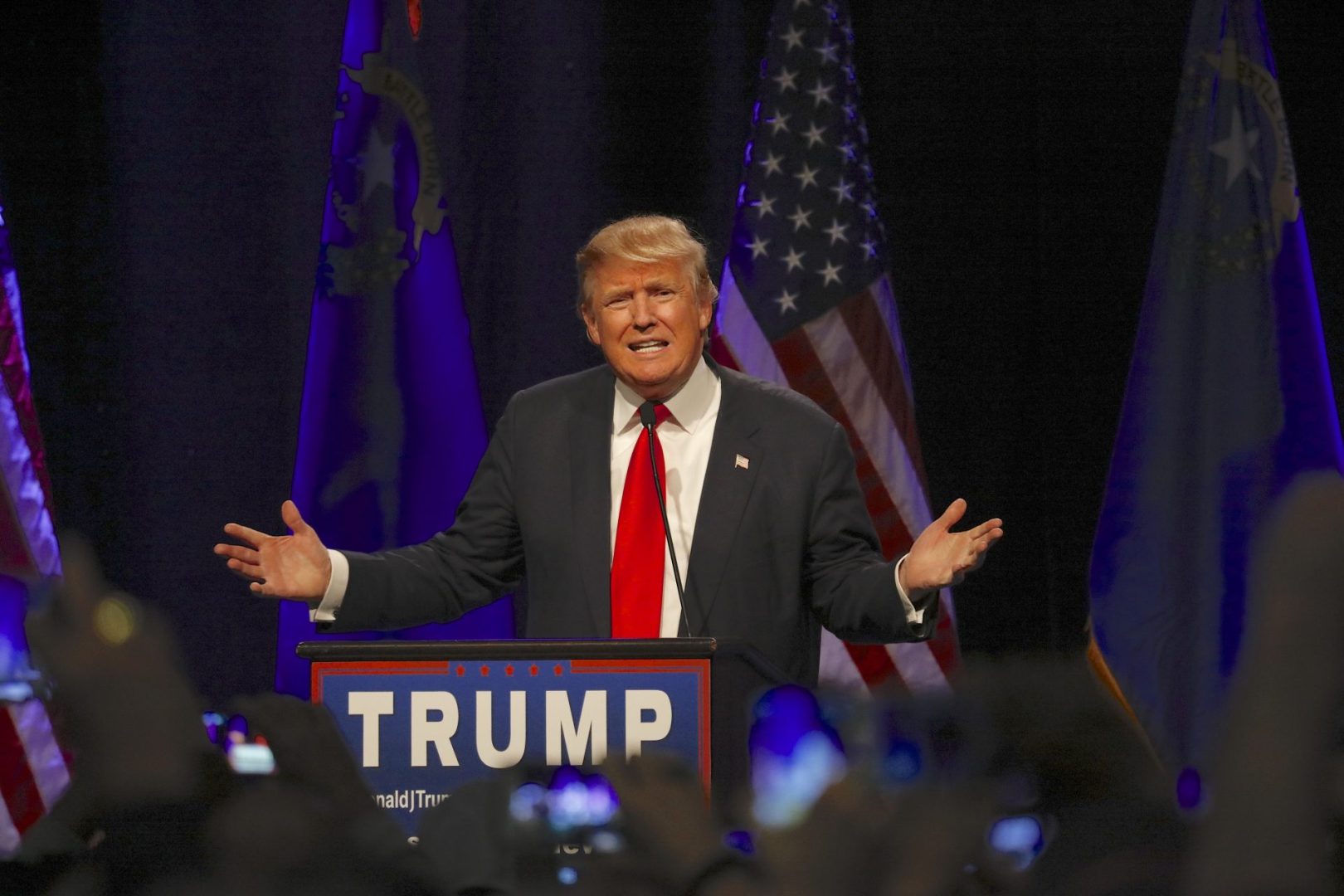
President Donald Trump has privately mused about bestowing upon himself the Medal of Honor, the United States military’s most prestigious recognition, according to people familiar with the discussions. The reports emerged over the weekend as the administration navigated growing pressure over its handling of the ongoing conflict with Iran, a war that began under Trump’s direction on February 28.
White House insiders described the president as increasingly distracted and at times panicked by the trajectory of the conflict, with his attention reportedly shifting toward other matters including a personal reception event and fundraising activity tied to the upcoming midterm elections. During a White House gathering ahead of the nation’s 250th anniversary celebration in July, Trump was said to have raised the idea of the Medal of Honor, suggesting he deserved the recognition because his aircraft landed on an unlit runway in Iraq during a first-term visit to troops stationed there.
The Medal of Honor is authorized by the commander in chief and is reserved for military service members who demonstrate exceptional valor in direct combat at the risk of their own life. It has not previously been awarded to a civilian or a sitting president.
A pattern of public self-nomination
The White House reception was not the first time Trump had raised the idea publicly. During a speech in Georgia in February, Trump described having inquired during his first term whether he could award the Medal of Honor to himself following the same Iraq visit. He acknowledged at the time that doing so would be a stretch but did not rule it out, and suggested he might test the legal boundaries if he chose to pursue it.
Trump has already received several other awards during his second administration, including recognition as the self-described champion of the American coal industry and the inaugural recipient of a FIFA-affiliated peace prize. The pattern suggests an ongoing interest in formal acknowledgment of his perceived accomplishments.
Draft history and military credibility questions
The Medal of Honor conversation is particularly charged given Trump’s relationship with military service. He received five deferments from the Vietnam-era draft during the 1960s, four related to his education and a final one in 1968 attributed to bone spurs in his heels. His former personal lawyer testified before Congress in 2019 that Trump had no surgical records to support the bone spur claim, and characterized the deferment as a way to avoid service. Trump himself was reported to have said privately that he saw no reason to go to Vietnam.
Trump has faced ongoing scrutiny over comments he allegedly made about fallen soldiers, which he has denied. His relationship with the military community remains contested, a dynamic that gives the Medal of Honor discussion an added dimension.
Approval numbers and an uncertain war
The timing of these reports coincides with a sharp decline in public support for the president’s overall leadership. A recent national poll found that nearly two-thirds of Americans disapprove of Trump’s performance, with only about a third expressing approval of how he has managed the Iran conflict specifically.
Since the war began, 13 American service members have been confirmed killed and hundreds more wounded. Trump has acknowledged publicly that more deaths are likely before the conflict concludes. A ceasefire that had been in place is set to expire this week, and a second round of negotiations with Iranian officials that was planned for Monday in Islamabad collapsed after Iran rejected the talks before they began.
Trump has said previously that the war will end when he personally feels that the moment is right, without offering a clearer timeline or defined objective.
