


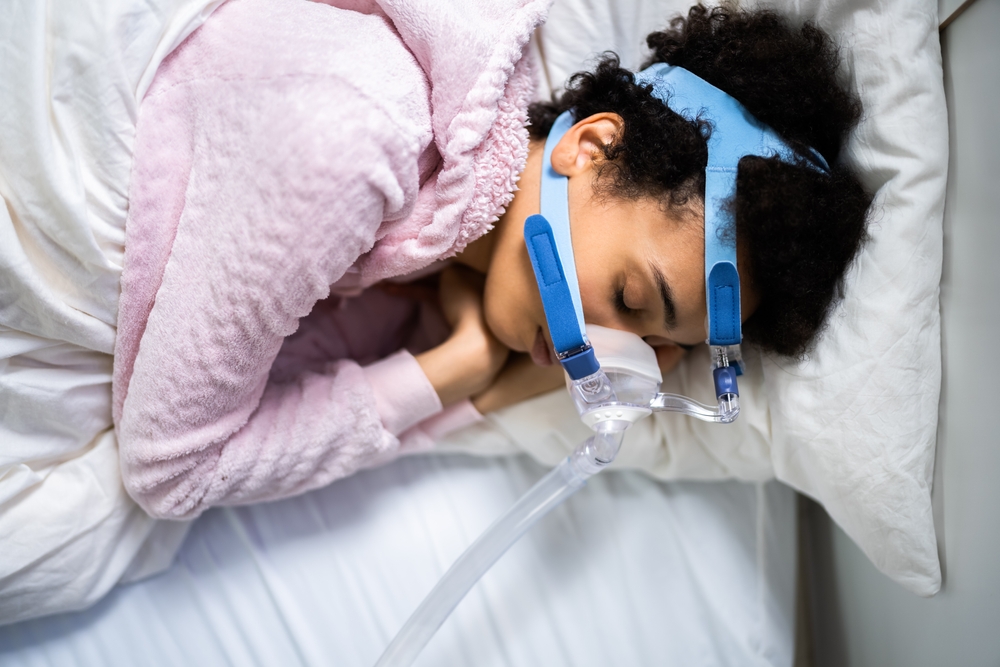
Waking up with a pounding headache, dragging through the workday no matter how many hours were spent in bed, feeling anxious without a clear reason — for women, these symptoms are easy to chalk up to hormones, stress or the general demands of daily life. But in many cases, something more specific and treatable may be driving them. Obstructive sleep apnea, a condition in which the airway repeatedly collapses during sleep and cuts off breathing, has spent decades being treated as a male disease. The reality is more complicated and the cost of that oversimplification falls squarely on women.
The condition causes the upper airway to collapse during sleep, reducing the flow of oxygen to the lungs and triggering brief awakenings throughout the night. Those interruptions accumulate quietly, disrupting sleep quality without the person ever realizing what is happening.
Why sleep apnea presents differently in women
The textbook image of sleep apnea involves loud snoring and dramatic gasping, symptoms that were largely defined through research conducted on men. In women, the picture tends to be subtler. Nightmares, frequent waking, difficulty staying asleep and chronic insomnia are more commonly reported. Daytime fatigue, morning headaches and mood swings often follow.
Women also tend to experience more shallow breathing episodes rather than complete pauses in breathing, a distinction that matters when it comes to diagnosis. Several biological factors appear to contribute to these differences. Women generally have smaller but more structurally stable airways, less fatty tissue around the neck and, before menopause, the benefit of hormones that appear to support steadier breathing during sleep.
That hormonal protection disappears with menopause. As estrogen and progesterone levels fall, the rate of obstructive sleep apnea in women rises sharply, reaching levels comparable to men in the same age group. Research suggests that between 47 and 67 percent of postmenopausal women meet the criteria for the condition, a striking figure that rarely receives the attention it deserves.
Why women are so frequently missed or misdiagnosed
The diagnostic criteria for obstructive sleep apnea were built around how the condition behaves in men. Those criteria require a breathing disruption to be paired with either a significant drop in blood oxygen or a brief arousal from sleep. Women tend to experience less dramatic oxygen drops, which means their episodes may not register as qualifying events under current standards.
That structural bias compounds at the clinical level. When women report poor sleep and persistent fatigue, they are far less likely to be referred for diagnostic testing than men who report snoring. Their symptoms are frequently attributed to depression, anxiety, insomnia or the hormonal shifts of menopause, sometimes accurately but often without sleep apnea being ruled out first. Having multiple overlapping conditions makes detection even harder and in some cases the treatments prescribed for those other conditions can worsen underlying sleep apnea.
Home sleep tests, now widely used as a more accessible alternative to in-lab studies, are also less reliable in women. Because the condition tends to present with fewer and milder events, these devices may undercount or miss it entirely, especially in women who also have insomnia and spend a significant portion of the monitoring period awake rather than asleep.
What happens when it goes untreated
Every time breathing stops, the body releases stress hormones to trigger a recovery breath. When that cycle repeats hundreds of times a night over months or years, the cardiovascular system bears the burden. Elevated blood pressure, increased risk of heart attack, stroke and irregular heartbeat are among the documented consequences. Some research indicates that women with severe sleep apnea face cardiovascular risks that match or exceed those seen in men with the same condition.
Beyond the heart, untreated sleep apnea is linked to memory problems, reduced cognitive sharpness and a higher risk of accidents. The mental health dimension is frequently overlooked. Managing the condition has been shown to improve symptoms of anxiety and depression in some patients, suggesting the connection between sleep and mental wellbeing runs deeper than most clinical conversations acknowledge.
Getting a diagnosis and advocating for better care
Persistent daytime sleepiness at any age is worth investigating. Keeping a sleep diary that tracks how rested a person feels upon waking and throughout the day can help build a clearer picture to bring to a medical appointment. Snoring, even occasional or mild, should not be dismissed or minimized. Any other health conditions that affect sleep quality, including high blood pressure or insomnia, are worth addressing alongside a sleep evaluation.
For women who feel their concerns are not being taken seriously, a sleep medicine specialist is the most direct path to thorough testing and a full range of treatment options. The evidence consistently shows that women benefit from treatment at least as much as men, making early and accurate diagnosis one of the most meaningful steps available.
