


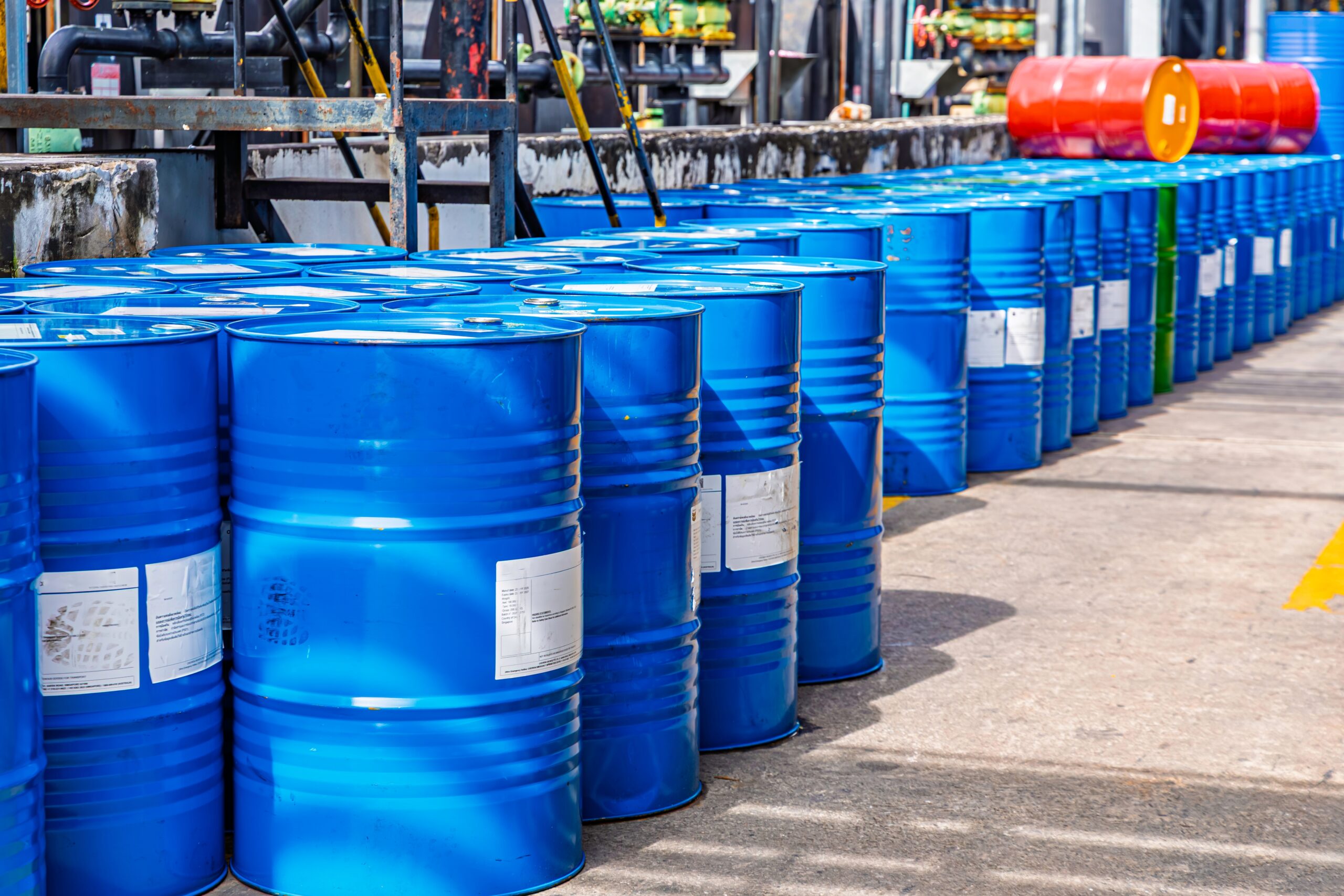
Oil prices dropped sharply Today after Iran’s foreign minister declared the Strait of Hormuz open to commercial shipping for the duration of a newly announced ceasefire, delivering an unexpected jolt to energy markets that had been under severe strain for weeks.
Brent crude, the global benchmark, fell 13% to $86.30 per barrel. West Texas Intermediate, the American benchmark, declined by the same margin to $79.20. Both contracts hit their lowest levels since early March, though they still trade above their pre-war figures of $73 and $67 per barrel, respectively.
What Iran’s foreign minister said
Foreign Minister Seyed Abbas Araghchi announced the opening in a post on X, stating that all commercial vessels would be permitted to transit the strait for the remaining period of the ceasefire, which follows a 10-day truce between Israel and Lebanon that took effect Thursday evening. Ships would still need to pass through a route coordinated with Iranian maritime authorities, though it remained unclear whether Tehran intends to charge a transit fee.
Before the conflict began, roughly 20% of the world’s oil supply moved through the strait each day. Because oil is traded globally, even countries with no direct reliance on Persian Gulf crude have felt the weight of higher prices at the pump since the waterway effectively closed.
Trump welcomes the move but holds the blockade
President Trump welcomed the announcement on social media, and said the strait was fully open and ready He was quick to add, though, that the existing American naval blockade on Iranian ports would remain in place until a broader agreement between Washington and Tehran is finalized.
The administration had been pressing Iran for weeks to restore access to the channel, viewing it as an economic pressure point that was landing hard on American consumers and on members of Congress facing midterm elections in a year when energy costs have become a defining issue.
Trump had previously reached a short-term agreement with Iran on April 7, trading a two-week ceasefire for a full reopening of the strait. That arrangement broke down after Iran’s parliamentary speaker accused Washington of violating its terms by allowing Israel to continue its military campaign in Lebanon against Hezbollah, a close Iranian ally. The channel had remained almost entirely closed since then, with only a handful of commercial ships transiting per day.
Wall Street surges on the news
Stock markets reacted with immediate enthusiasm. The Dow Jones Industrial Average climbed 1,032 points, or 2.1%, recovering all of the losses it had accumulated since the start of the conflict. The S&P 500 rose 1.3%, and the Nasdaq added 1.6%. The S&P 500 has now gained more than 12% from its low point on March 30, and the Nasdaq extended a winning streak that reached 12 consecutive sessions, its longest run since 2009.
Treasury yields fell as bond traders shifted toward cautious optimism that the worst of the oil shock may be behind them. Still, some market strategists urged restraint. A global equity strategist at Wells Fargo Investment Institute noted that while markets are responding to the prospect of oil flowing freely again, the outcome still depends entirely on how negotiations proceed.
What comes next
A second round of talks between American and Iranian negotiators is expected this weekend in Pakistan, following an inconclusive meeting last weekend between Vice President JD Vance and Iranian parliamentary speaker Mohammad Bagher Ghalibaf. Trump said most of the points under discussion have already been negotiated and expressed confidence that a deal could come together quickly.
For now, the opening of the strait remains tied to the fragile ceasefire in Lebanon. Whether it holds, and whether it translates into a lasting energy price reprieve, depends on whether diplomacy can close the remaining gaps between two governments that have spent months trading accusations of bad faith.
