


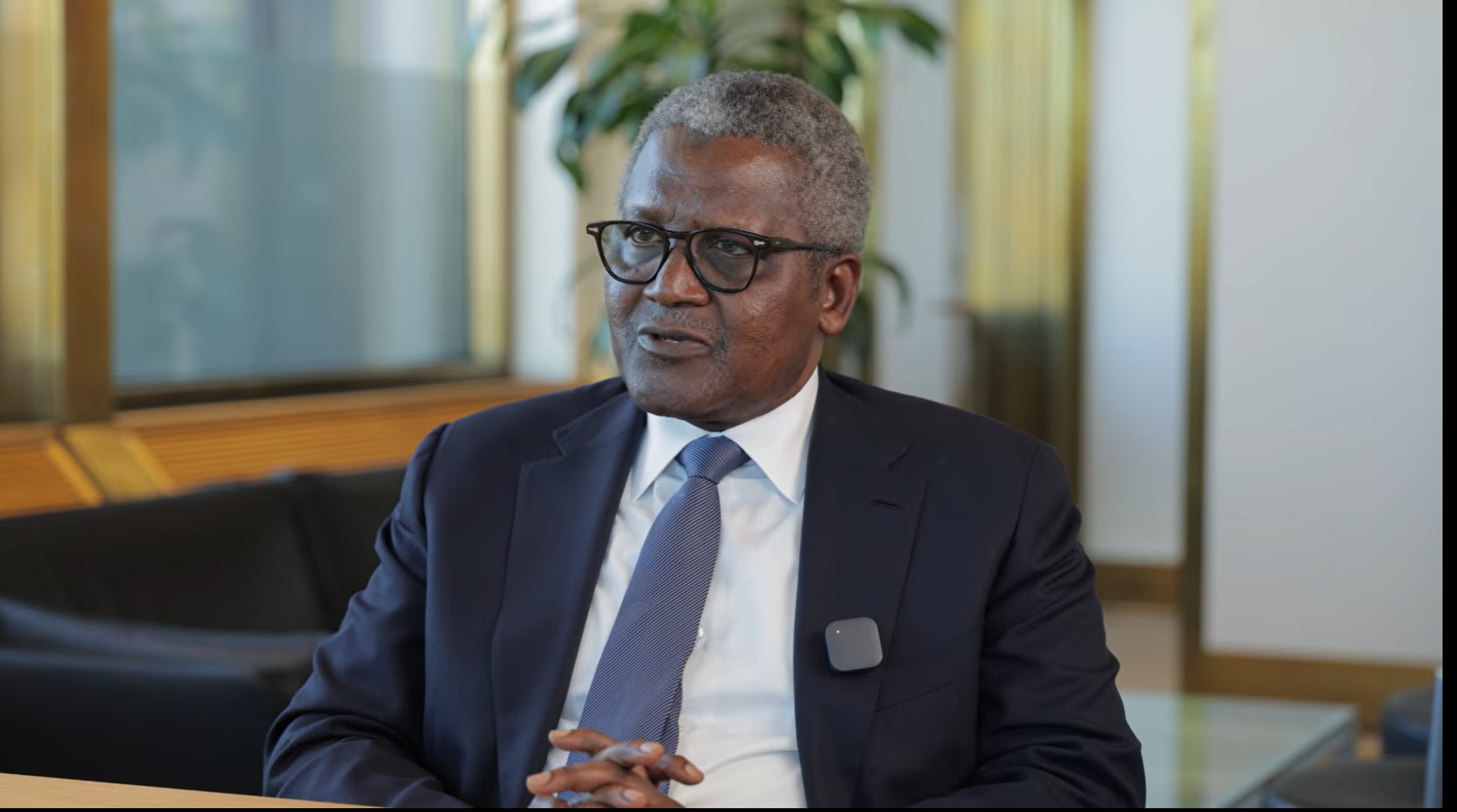
Every year the African Energy Chamber recognizes one individual whose work has moved the needle on energy security, infrastructure development and economic resilience across the African continent. Past recipients have included heads of state, senior diplomats and chief executives of major global energy companies. The 2026 honoree is Aliko Dangote, the Nigerian businessman and industrialist whose decades of investment in African industry have culminated in one of the most consequential infrastructure projects the continent has ever produced.
The recognition is not ceremonial. It reflects a body of work that has reshaped how Nigeria and much of sub-Saharan Africa approach energy production, fuel supply and industrial self-sufficiency at a moment when those questions carry genuine global significance.
Aliko Dangote’s path from trading to industrial transformation
Dangote’s career began after his studies in business in Cairo, where he returned to Nigeria and built a small trading operation into what is now one of Africa’s largest and most diversified conglomerates. The Dangote Group spans cement, sugar, salt, flour and fertilizer production, with operations across multiple African countries. What distinguishes the group from other large African enterprises is its founding philosophy: rather than extracting raw materials for export, Dangote has consistently invested in building the manufacturing capacity, logistics networks and supply chain infrastructure needed to process and add value to those materials within Africa itself.
That philosophy has driven billions in investment across the continent and created hundreds of thousands of direct and indirect jobs. It has also positioned Dangote as one of the clearest examples of African-led industrial development operating at genuine global scale.
The refinery that changed the calculation
The project that brought Dangote international attention on a different level is the Dangote Refinery in Lekki, near Lagos. With a planned refining capacity of approximately 650,000 barrels per day, it ranks among the largest oil refineries in the world and holds the distinction of being the largest single-train refinery on earth. The facility produces gasoline, diesel, aviation fuel and a range of other refined petroleum products, and it is accompanied by a petrochemical complex and fertilizer production capabilities.
For Nigeria, the implications are structural. For years the country exported crude oil and imported refined fuel products, a cycle that generated persistent fuel shortages, placed enormous pressure on foreign exchange reserves, created subsidy burdens for the government and opened channels for corruption tied to import arbitrage. The Dangote Refinery has begun to dismantle that cycle by enabling domestic refining at a scale the country has never previously achieved.
The broader regional impact is already visible. Refined products from the facility are reaching markets in Ghana, Cameroon and Côte d’Ivoire. Shipments have also reached the United Kingdom, Europe and the United States, and a first major gasoline shipment to Asia is anticipated in June 2026. At a time when geopolitical tensions and disruptions to key global shipping corridors are creating energy supply uncertainty across international markets, the refinery has emerged as a stabilizing force that extends well beyond Nigeria’s borders.
The financial signal is equally significant. Nigeria’s gross foreign exchange reserves grew from approximately $33 billion in 2023 to $50 billion by early 2026, a shift that analysts have linked in meaningful part to the reduction in refined fuel imports the refinery has made possible.
Expansion plans already in development envision increasing refining capacity to 1.4 million barrels per day, a move that could position Nigeria among the world’s most significant refining centers by the end of the decade. Additional infrastructure projects including fuel storage facilities in Namibia and a potential second refinery in East Africa suggest the ambition does not stop at Nigeria’s borders.
Philanthropy that matches the industrial scale
Dangote’s influence on Africa extends well beyond the business and energy sectors. Through the Aliko Dangote Foundation, one of the largest private charitable organizations on the continent, he has directed significant resources toward health, education, nutrition, poverty reduction and disaster relief across Nigeria and beyond.
The foundation’s partnership with international health organizations contributed to Nigeria’s declaration as free of wild polio in 2020, the result of years of coordinated vaccination campaigns involving government agencies, global health bodies and private sector funding. During the pandemic the foundation helped coordinate a private sector emergency response that delivered medical supplies, established isolation facilities and provided food assistance to vulnerable communities.
Agricultural programs supporting smallholder farmers, women’s empowerment initiatives, vocational training and scholarship programs for young Nigerians reflect a broader commitment to building sustainable economic participation rather than aid dependency. Dangote has also signed the Giving Pledge, committing a substantial portion of his personal wealth to philanthropic causes over the course of his lifetime.
The combination of industrial ambition and genuine civic commitment is what makes the 2026 recognition meaningful. Dangote has not simply built wealth. He has built infrastructure, institutions and opportunity in places that have historically been told to wait for someone else to do it first.
