


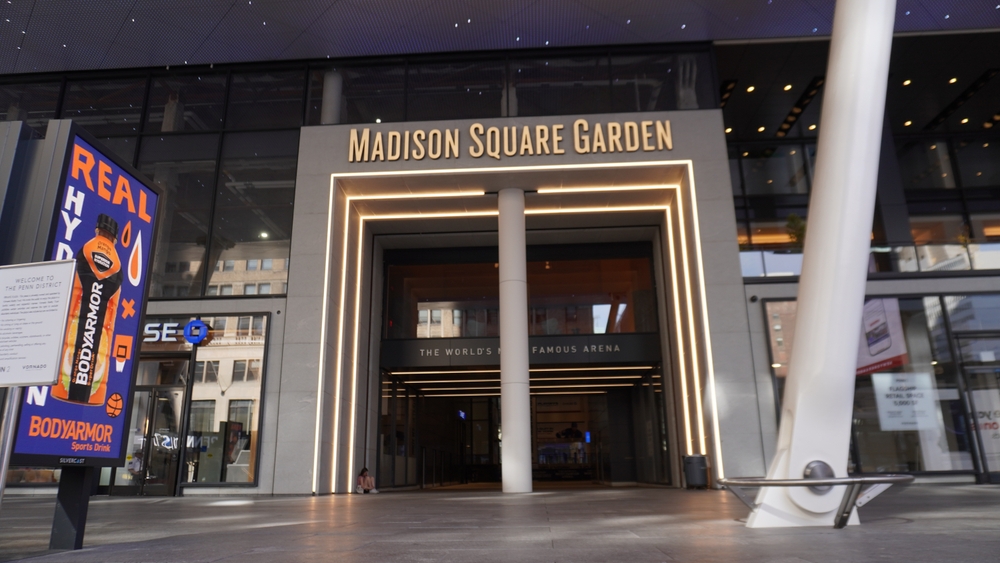
The Knicks lost Game 3 of the NBA Finals 115-111 on Monday night at Madison Square Garden, ending a 13-game playoff winning streak that had carried New York from the opening round all the way to the brink of a championship. Coach Mike Brown was gracious enough about the Spurs in his postgame remarks. He was considerably less gracious about the officiating.
Brown zeroed in on the free throw disparity from the second half, a stretch in which San Antonio attempted 24 free throws to New York’s eight. The gap was steepest in the third quarter, where the Spurs went to the line 14 times against just three attempts for the Knicks. Brown said he raised the issue directly with the officials during the game and received explanations that he found incomplete. His position was not that every call was wrong but that the physical play he witnessed went in both directions, and the whistle did not follow suit.
He made clear he was raising the issue deliberately and publicly, knowing it would shape the conversation heading into Wednesday’s Game 4. The Knicks spent much of the final quarter in the penalty, and Brown felt that reality needed to be part of the record.
Brown players take a different view
Whatever Brown‘s feelings about the officiating, his players were not inclined to use it as cover. The Knicks turned the ball over repeatedly throughout the game, gifting San Antonio easy transition opportunities that disrupted New York’s defensive rhythm and allowed the Spurs to build and sustain momentum at critical moments. Jalen Brunson, who led all scorers with 32 points on the night, pointed to turnovers and foul trouble as the primary explanations for the defeat.
The Knicks took a seven-point lead into halftime after a strong closing run in the second quarter, but that advantage evaporated quickly once the third period began. New York’s fourth-quarter offense was particularly troubling, with the team shooting a dismal percentage from the field in the final frame and managing only a handful of made baskets during their comeback attempt.
What broke down on both ends
The Knicks‘ offensive flow, which had been a model of precision through the first two rounds of the playoffs, was inconsistent and at times nonexistent. Ball movement that had defined their best stretches appeared only in brief windows. Karl-Anthony Towns, who had been central to New York’s half-court offense throughout the postseason, was largely absent from the attack in the second half despite a dominant first-half presence. OG Anunoby scored 28 points and continued to give the Spurs problems individually, but he attempted just 13 shots, leaving production on the table.
Defensively, the Knicks failed to contain the Spurs the way they had in the first two games. Victor Wembanyama was more active and more assertive, scoring ten of his 32 points in the fourth quarter alone and impacting the game in multiple categories beyond scoring. Stephon Castle and rookie Dylan Harper found openings in New York’s coverage with increasing regularity as the game progressed, looking more like the aggressive, confident team the Spurs are known for being rather than a group rattled by a hostile environment.
The series shifts
For the first time since 1993, the road team has won the first three games of an NBA Finals series. The Knicks still lead 2-1 and remain in control, but the comfort of a two-game cushion has been replaced by a more complicated situation. Brown and his staff know what went wrong. His players know what went wrong. The question now is whether they can fix it before San Antonio senses something bigger is within reach.
