


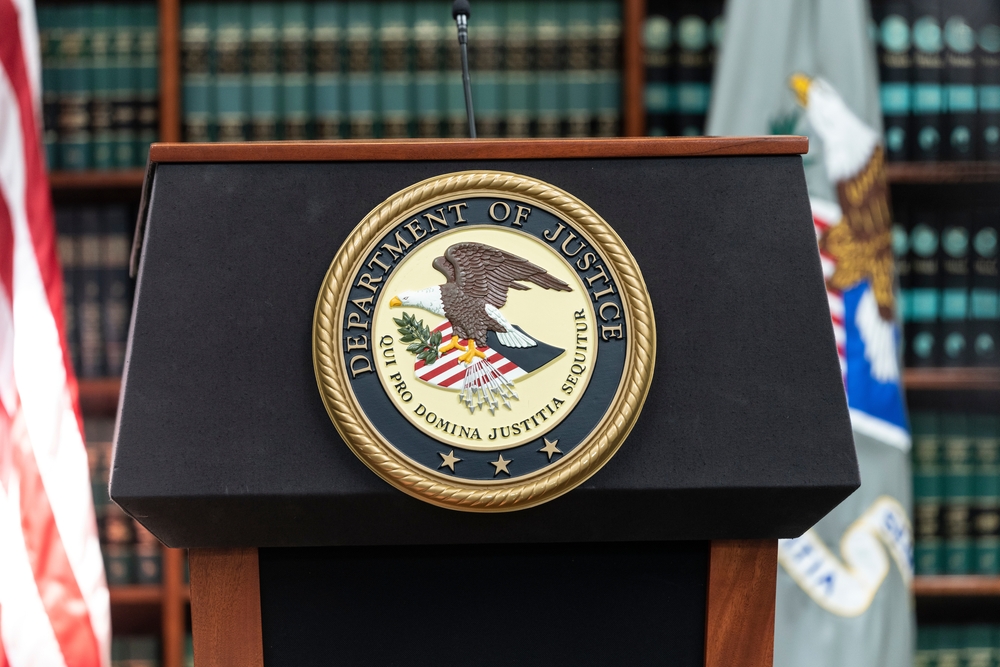
The Trump administration is dramatically expanding its use of denaturalization, the legal process that allows the federal government to strip citizenship from naturalized Americans found to have obtained it through fraud or deliberate misrepresentation. The Justice Department has filed nearly 90 cases since the start of 2026 and is aiming for at least 250 by October, a pace that would outstrip recent administrations by a wide margin.
For comparison, the Biden administration brought 24 denaturalization cases over four years. Trump’s first term saw just over 100 over the same span. If the current pace holds, this year alone could exceed both totals combined, and legal scholars describe the shift as one of the most significant changes to denaturalization policy in decades.
What the Administration Says It’s Targeting
Officials describe the effort as an integrity measure aimed at people who should never have qualified for citizenship in the first place. Many current cases involve allegations that applicants concealed criminal histories, used false identities, or failed to disclose conduct that would have disqualified them under the legal requirement to demonstrate good moral character. Several lawsuits reportedly involve allegations tied to organized crime, terrorism, war crimes, fraud, drug trafficking, and sexual abuse.
Homeland Security Secretary Markwayne Mullin framed the campaign as a matter of forfeited rights, arguing that committing fraud during naturalization means giving up the right to keep citizenship. The White House has publicly called the effort the largest denaturalization campaign in the country’s history.
A Legal Tool That Was Once Rare
Denaturalization has traditionally been used sparingly. Between 1990 and 2017, the government filed an average of roughly 11 cases a year, a limit traced back to a 1967 Supreme Court ruling that restricted revocation to cases involving fraud or willful misrepresentation, rather than simple mistakes. That ruling followed a Cold War era campaign that had stripped citizenship from tens of thousands of people, including labor leaders and government critics accused of communist ties.
The process saw renewed attention under the Obama administration, when new fingerprinting technology revealed cases of people who had naturalized under false identities despite prior deportation orders. Trump’s first term expanded the effort further, setting ambitious case targets that were ultimately not fully met.
Legal Experts Say the Cases Look Familiar, but the Scale Doesn’t
Immigration attorneys and former Justice Department officials note that many current cases resemble those pursued under past administrations of both parties, focused on concealed criminal conduct, war crimes, or terrorist ties. What has changed, they say, is not necessarily the nature of the cases but the volume of resources now dedicated to pursuing them, including a new reliance on U.S. attorney’s offices nationwide rather than the Justice Department’s civil division alone.
Some former officials have raised concerns that the expanded effort could divert resources from other priorities like fraud and corruption prosecutions. Others note that even a successful denaturalization case does not automatically lead to deportation. Instead, an individual typically reverts to their prior immigration status, which may then require separate removal proceedings.
Political Debate and Legislative Proposals
The push has coincided with proposals from Republican lawmakers seeking to expand the government’s denaturalization authority further, including measures tied to criminal convictions occurring after naturalization. Neither proposal has become law, and current federal statute still limits denaturalization to fraud or misrepresentation that occurred during the naturalization process itself.
Critics, including some former Justice Department attorneys, have raised concerns that broader enforcement language could create uncertainty among the nation’s more than 26 million naturalized citizens, or could theoretically be used against political opponents. Administration officials maintain the effort is focused strictly on cases where citizenship was unlawfully obtained.
Courts Remain the Final Word
Despite the scale of the expansion, immigration law experts emphasize that federal judges remain the ultimate decision makers in every case, and courts have historically required substantial evidence before revoking citizenship given its constitutional protections. That judicial scrutiny, experts say, is expected to remain the key safeguard as the administration continues expanding the program through the rest of the year.
