


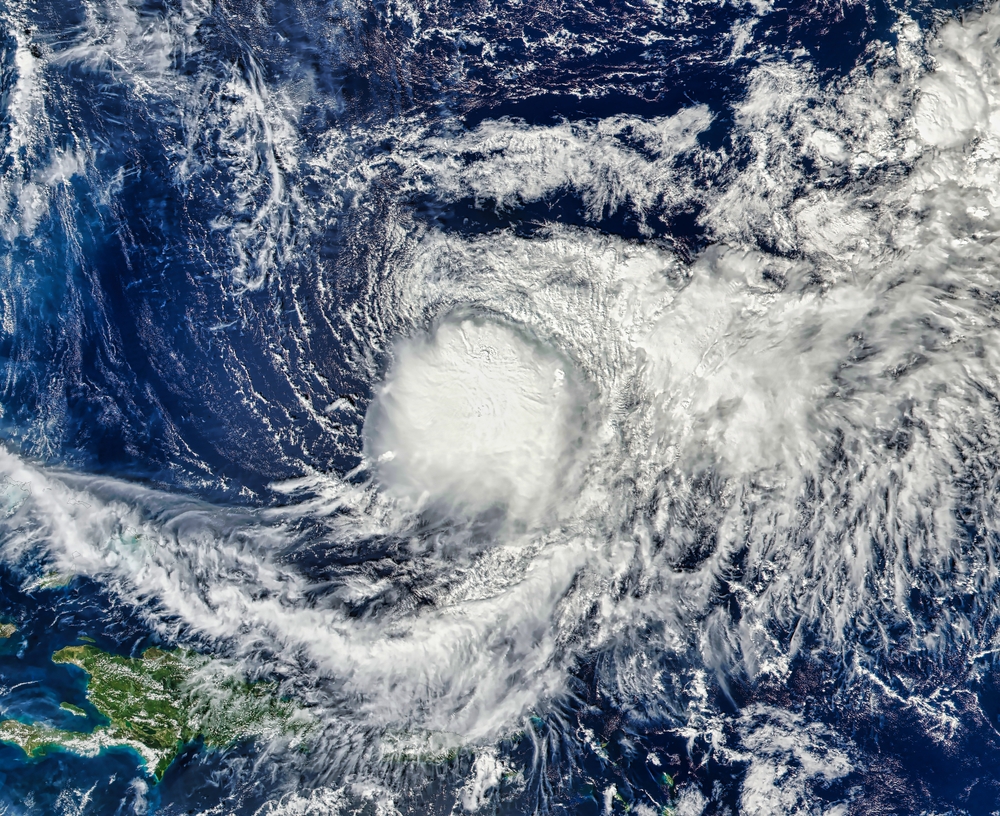
Tropical Storm Moke is moving toward Hawaii this weekend, threatening to dump more rain and knock out power in communities that are still digging out from Hurricane Lala just days earlier. The storm is expected to pass south of the islands without making landfall, but forecasters warn the Big Island could still see life threatening flooding and mudslides in areas already saturated from last week’s damage.
What made Lala so devastating in the first place
Before Moke ever formed, Lala had already reshaped parts of the Big Island. Mud, water, rock and debris tore through large sections of Naalehu in the southern part of the island, burying some homes under mud as deep as 10 feet, according to Hawaii Gov Josh Green. More than 100 homes were lost to Lala on the Big Island alone. The storm also knocked out power to roughly 130,000 utility customers at its peak, and crews are still clearing downed trees and utility poles while roads washed out by floodwater are only beginning to be rebuilt.
The recovery effort nobody’s fully covering
While most coverage has focused on rainfall totals and wind speeds, one of the more sobering parts of Hawaii’s recovery has gotten far less attention. A team has been working to locate and secure human remains that were swept away from cemeteries inundated during the hurricane, and crews had already recovered more than 60 remains as of last Thursday. That detail says something about the scale of what Lala did that wind speed numbers simply can’t capture, and it’s part of why officials are treating Moke’s approach with so much urgency even though it’s forecast to stay weaker than Lala.
How much rain and wind is Moke bringing
The National Hurricane Center expects Moke to deliver 5 to 10 inches of rain to the Big Island, with isolated pockets potentially seeing up to 15 inches. Eastern Maui could pick up 3 to 6 inches, while the rest of the island chain sees lighter totals. Sustained winds were near 45 to 50 mph as the storm approached, well below hurricane strength, but officials note that even modest rain on top of Lala’s saturated ground can be enough to trigger new flooding, debris flow and power failures.
Why officials aren’t taking any chances
Hawaii has already activated its joint information center for a second time in a matter of days, just after shutting down the one it stood up for Lala. Governor Green submitted a request asking the White House for a federal emergency declaration covering both storms, saying state teams are working to help communities recover from Lala while simultaneously preparing for Moke. Maui County’s mayor has echoed that warning, noting that even light to moderate rain right now carries a real risk of flooding, downed trees and power outages given how saturated the ground already is.
Is there a bigger pattern behind this stretch of storms
Some meteorologists have pointed to an El Nino climate pattern and warming waters in the eastern Pacific as a factor behind the back to back systems hitting Hawaii this month. Whether or not that pattern continues to fuel more storms later this season, the immediate concern for residents is getting through the next 48 hours without a repeat of what Lala did to the Big Island.
What residents should do right now
Officials are urging people, particularly on the Big Island and in Maui, to restock food, water and medicine, secure loose outdoor items and avoid flooded roadways once rain begins. Wind advisories remain in effect for Maui, Molokai, Lanai, Kahoolawe and the Big Island, with gusts up to 55 mph possible at higher elevations. Large surf and dangerous rip currents are also expected along exposed coastlines into early next week.
