


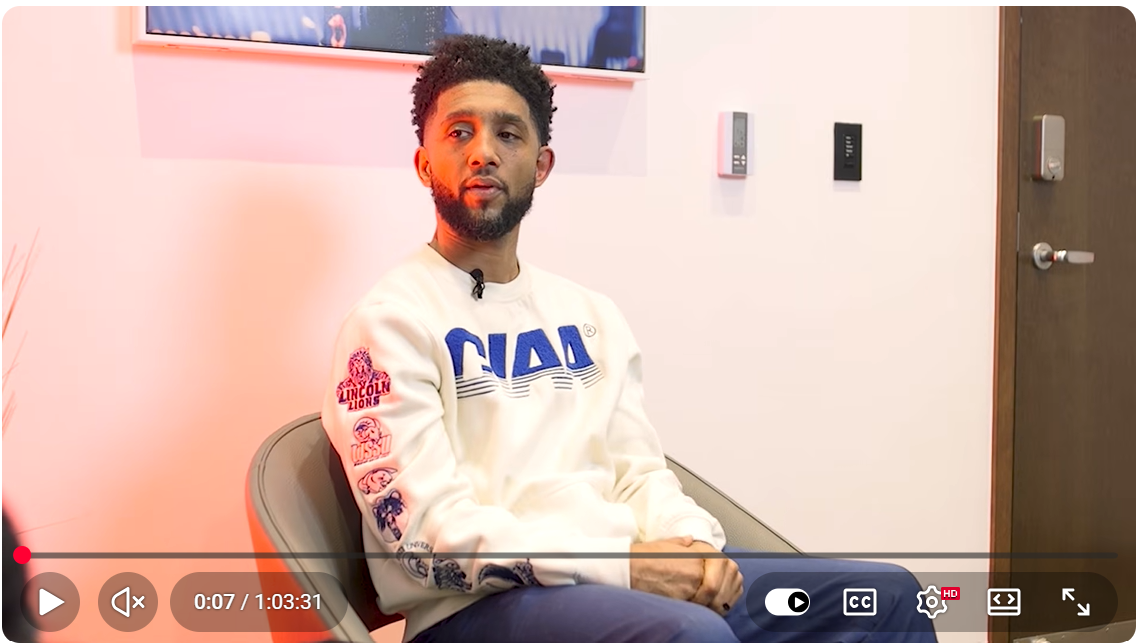
Baltimore’s inspector general was already locked in a legal dispute with the mayor’s office when a Facebook post made things considerably more complicated. On April 20, Inspector General Isabel Cumming shared a YouTube video on her personal account that included an AI-generated thumbnail depicting Mayor Brandon Scott in an unflattering way, shown smoking a cigar, holding what appeared to be an alcoholic drink, clutching luxury shopping bags, and standing near a notice of an overdrawn city bank account.
The post was up briefly before Cumming removed it. By then, the mayor’s office had already taken notice.
The formal complaint and what it asks
One day after the post went up, Chief of Staff John David Merrill sent a letter to the Baltimore City Ethics Board and the Office of Inspector General’s Advisory Board calling for a formal review of Cumming’s online conduct. The letter acknowledged the ongoing litigation between the two offices but argued that legal disputes do not excuse the kind of content Cumming amplified, which Merrill described as racist and demeaning to a public official.
The administration is asking both boards to assess whether the post violated ethical standards related to professionalism and impartiality, and whether corrective action is warranted to protect the independence and objectivity of the inspector general’s office.
What Cumming said happened
Cumming issued a statement saying she had not noticed the image of the mayor was AI-generated when she shared the video. She described it as third-party commentary on current events that she had posted to her personal account after a friend sent it to her. Once she received feedback about the image, she removed it.
She apologized to the mayor, to her staff and to Baltimore residents, and acknowledged that the post undermined the inspector general office’s core mission of investigating waste, financial abuse and fraud.
The lawsuit running underneath all of this
The social media dispute is unfolding on top of a more substantive legal conflict. Cumming has sued Mayor Scott and the Baltimore City Council over what she says is unlawful blocking of her office’s access to city records, particularly those connected to the Mayor’s Office of Neighborhood Safety and Engagement. On April 17, a Baltimore City Circuit judge denied the city’s motion to disqualify Cumming’s private attorneys from the case, a ruling that went against the administration.
That legal context shapes how both sides have responded to the Facebook incident. The mayor’s office was careful in its letter to note the active litigation while still pressing for the ethics review. Cumming’s apology was direct but did not address the underlying records dispute.
The staffing question the video raised
The YouTube video itself, posted by a creator known for watchdog-style commentary on Baltimore government, focused on the mayor’s proposal to add 16 positions to his office in the preliminary budget for fiscal year 2027. The video questioned why Baltimore’s mayoral staff, proposed at 134 positions, would be larger than comparable offices in Philadelphia and Los Angeles, both significantly bigger cities.
Scott addressed the staffing question at a budget meeting on April 22. He said eight of the 16 new positions are not funded by city taxpayers. One is supported by the city’s Opioid Restitution Fund and seven are funded through a Bloomberg Philanthropies grant supporting the city’s Innovation Team, which focuses on vacancy prevention and public safety recruitment. Some of the remaining positions reflect the conversion of part-time roles into full-time ones within the Mayor’s Office of African American Male Engagement.
Scott said his administration pursues outside funding wherever it can to supplement city operations and avoid placing additional burdens on taxpayers.
