


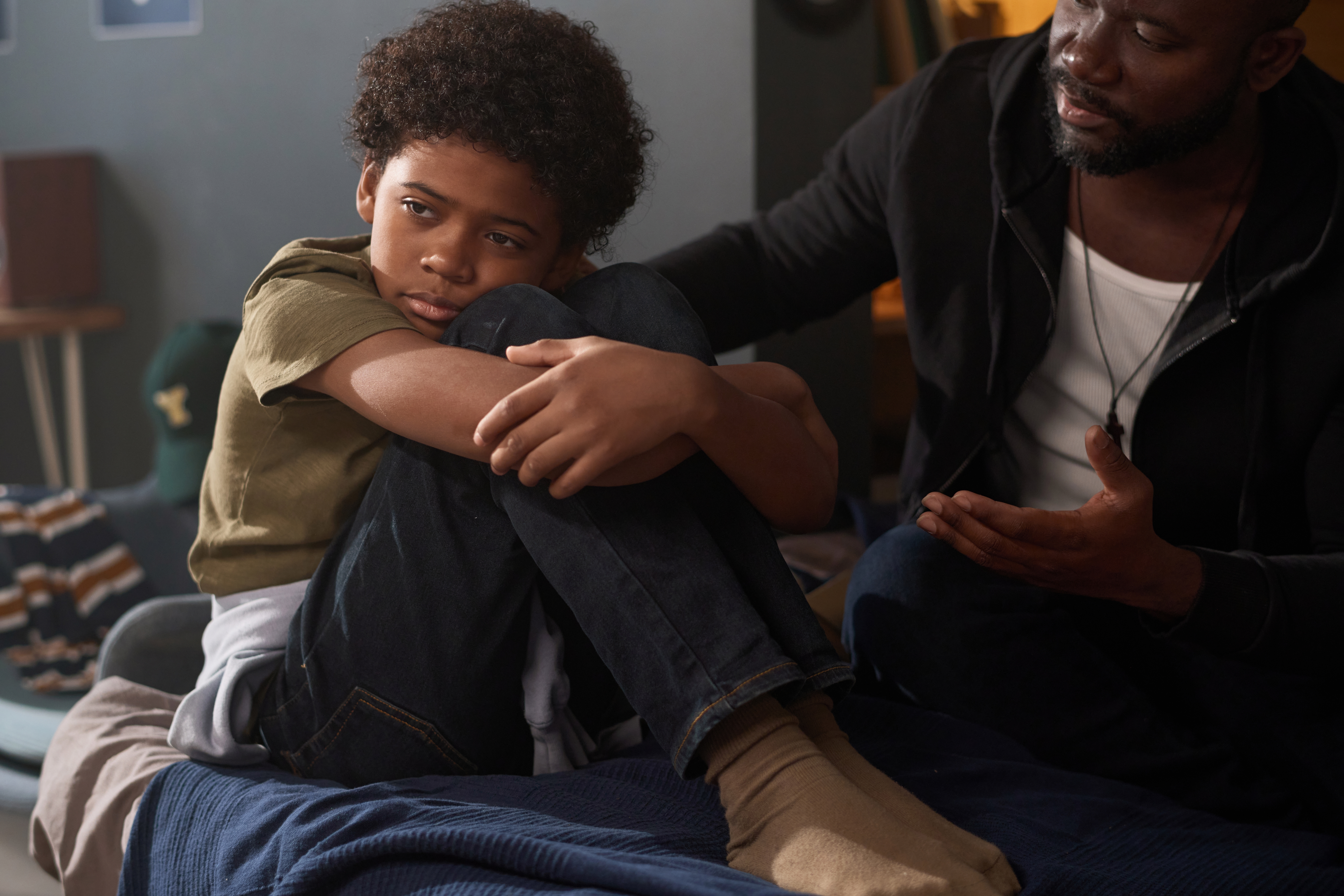
Depression is not a condition reserved for adults. It affects children too, sometimes as young as preschool age, and it does so more frequently than most parents expect. While sadness and moodiness are a natural part of growing up, there is an important distinction between passing emotional phases and something deeper and more persistent. Understanding that difference could be one of the most important things a parent ever learns.
Childhood depression affects a meaningful portion of young people across age groups, with rates rising noticeably during adolescence. Left unaddressed, it does not simply resolve on its own. It can shape how a child develops socially, academically and emotionally, and in more serious cases it can carry well into adulthood if no intervention takes place.
Recognizing the signs of depression in children
One of the reasons childhood depression goes undetected for so long is that its symptoms often look like something else entirely. A child who is withdrawing from friends might seem shy. One who is sleeping too much or complaining of stomachaches might seem physically unwell. Declining grades can be chalked up to distraction. None of these explanations are necessarily wrong, but when several of them appear together and persist over time, they deserve closer attention.
Common signs include a prolonged sense of sadness or hopelessness, noticeable irritability, loss of interest in activities the child once enjoyed, changes in appetite or sleep and difficulty focusing at school. Physical complaints without a clear medical explanation are also a recognized pattern. When these symptoms last beyond two weeks and begin to interfere with a child’s daily life and relationships, professional evaluation becomes important.
In more severe cases, children may express thoughts about death or self-harm. Any indication of this kind warrants immediate attention from a qualified mental health professional.
What puts some children at greater risk
Depression in children rarely has a single cause. It tends to develop through a combination of factors that build on one another over time. A family history of depression meaningfully increases a child’s likelihood of experiencing it, reflecting both genetic vulnerability and the emotional environment that shapes early development.
Traumatic experiences such as loss, abuse or chronic instability at home can trigger the onset of depression in children who may already be predisposed to it. Bullying, social isolation and ongoing academic pressure are also well-documented contributors. Underlying biochemical factors in brain development play a role as well, which is part of why treatment often involves more than one approach.
Children who experience prolonged stress without adequate support are among the most vulnerable, and early intervention in those cases tends to produce significantly better outcomes.
How depression in children is diagnosed
If a parent suspects their child may be experiencing depression, the first step is scheduling an evaluation with a pediatrician or a mental health professional who works with children. A thorough assessment typically draws on conversations with the child, input from parents and caregivers and observations from teachers or others who interact with the child regularly.
Screening tools and psychological assessments help clinicians build a fuller picture. It is also important to rule out other conditions that can look similar, including anxiety disorders and attention challenges, since these sometimes occur alongside depression and require their own considerations in treatment planning.
Depression in children is treatable
The most effective treatment for childhood depression generally combines therapy with family involvement and, in some cases, medication. Cognitive behavioral therapy is one of the most widely studied approaches and has shown strong results in helping children identify and reshape negative thought patterns that fuel depressive episodes.
Family therapy is often included as well, particularly when household stress or communication patterns are contributing to the child’s experience. Addressing those dynamics tends to improve how well other treatments work.
When medication is recommended, it is typically considered alongside therapy rather than as a standalone solution. Only one antidepressant has received federal approval for use in children and adolescents, and any medication decisions should be made carefully with a qualified provider and monitored closely over time.
Recovery is achievable. With consistent support and the right combination of interventions, most children show meaningful improvement within several months. The earlier the process begins, the better the outlook tends to be.
How parents and caregivers can help
A parent’s role in a child’s recovery is significant. Creating space for honest conversation, without pressure or judgment, helps children feel safe enough to express what they are going through. Encouraging regular physical activity, consistent sleep and a stable routine supports the kind of environment where healing is more likely to happen.
Learning about childhood depression as a condition rather than a character flaw also matters. Children often internalize the way adults around them talk about mental health. When that conversation is open and compassionate, it removes some of the shame that can make it harder for a child to ask for help.
Depression in children is serious, but it is also one of the most treatable mental health conditions when it is caught and addressed in time.
